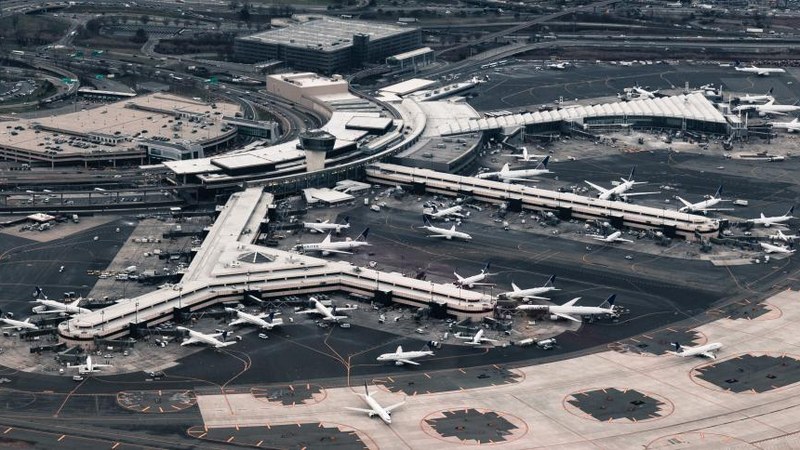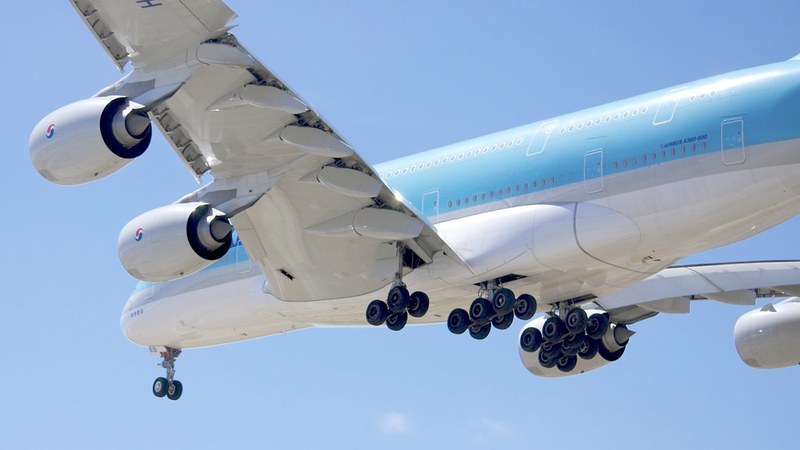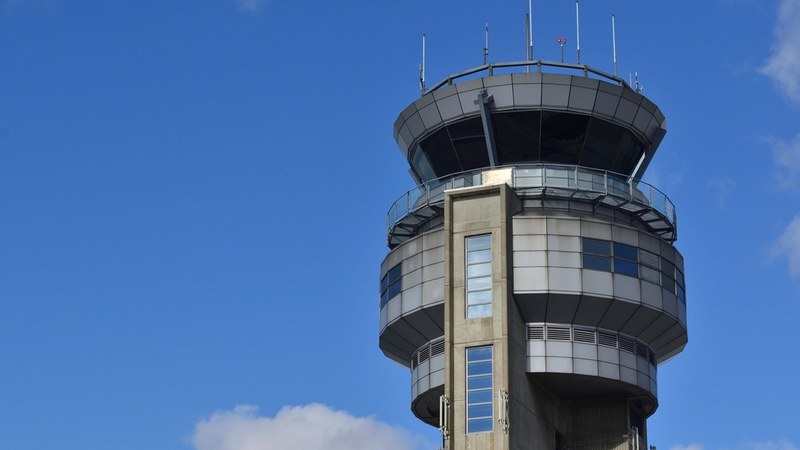
On Monday, July 27, 2026, the Federal Aviation Administration (FAA) implemented flight metering that slowed arrivals and departures at four major Northeastern U.S. airports: John F. Kennedy International (JFK), LaGuardia (LGA), Newark Liberty (EWR), and Philadelphia International (PHL). The FAA cited severe summer storms and persistent air traffic control staffing shortages as the primary reasons for the operational restrictions.
Flight Disruptions and Staffing Levels at Northeast Hubs
FlightAware data showed cancellations ranging between 20% and 30% across JFK, LaGuardia, Newark Liberty, and Philadelphia International airports on July 27. Ground delays were recorded averaging from 71 minutes at one airport up to 149 minutes at another. The FAA reported
that staffing at the New York Area Terminal Radar Approach Control remains significantly below target, operating at approximately 57% of the required certified controller levels.
FAA Extensions of Flight Limits and Slot Relief
To manage ongoing congestion, the FAA has extended flight limits at Newark Liberty International Airport through the summer of 2027. Flight caps at John F. Kennedy and LaGuardia are extended through late October 2028. Additionally, the FAA has prolonged exemptions from minimum slot usage requirements for JFK, LaGuardia, and Reagan Washington National Airport until late 2027. Flight cuts initially imposed at Newark in May 2025 remain in effect, extended now until October 2027 due to
enduring staffing shortages.
Operational Impact on Passengers and Airline Responses
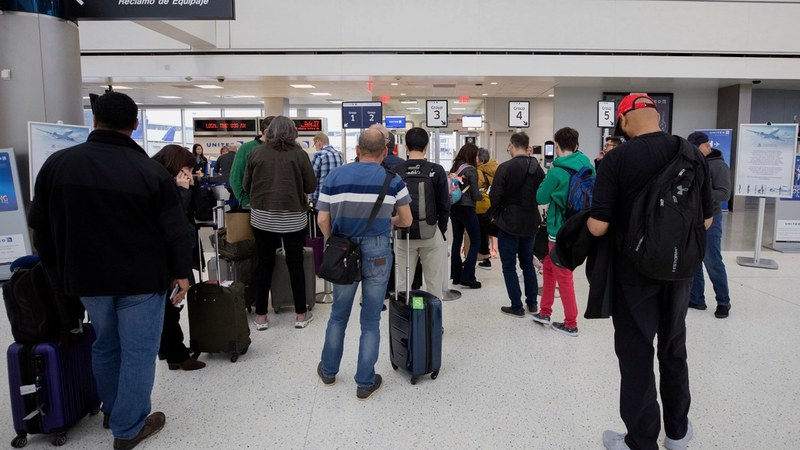
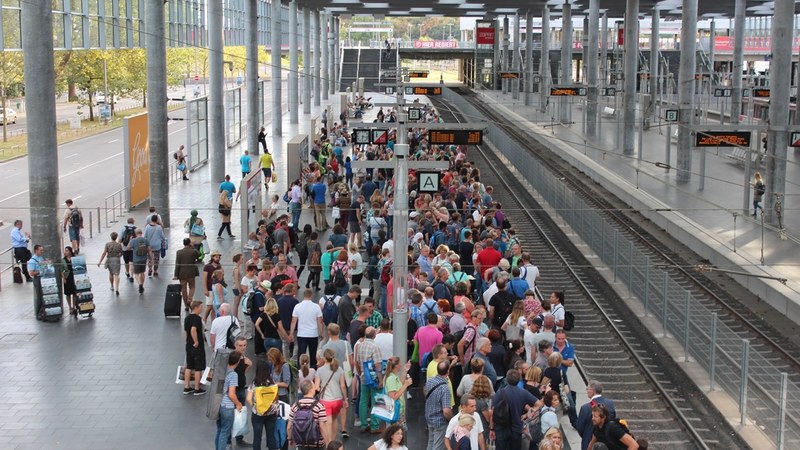
The metering programs and flow controls have led to longer-than-normal wait times both on runways and taxiways, with some average departure delays exceeding one hour. Passengers experienced delays and cancellations simultaneously across the four hubs, increasing the risk of missed connections. Major U.S. and international airlines issued travel waivers, allowing customers affected by these disruptions to adjust itineraries without penalty. Travelers are advised to monitor flights via airline apps and text alerts, consider earlier departures, and explore alternate routing options.
Contributing Factors: Weather and Staffing Challenges
Severe thunderstorms, low clouds, heavy rain, and risks from lightning forced air traffic controllers to reduce throughput
at these airports to maintain safe separation of aircraft. These weather challenges coincided with chronic staffing shortages at the New York Area Terminal Radar Approach Control, a primary control facility for this complex airspace. The FAA expects staffing constraints at Newark to persist through at least October 2027. These combined factors led to the implementation of ground delay programs assigning controlled departure times at origin airports to manage the congestion effectively.
Broader Summer Travel Pressures and Industry Mitigation
This episode is part of a larger pattern of stress on the U.S. aviation system in the Northeast corridor, especially during peak summer months. Volatile weather patterns and busy
operations challenge the region’s limited air traffic control capacity. Repeated FAA waivers on slot use and flight limits at New York airports encourage airlines to reduce marginal flights and add buffer capacity. Airlines have increased investments in operational control centers, advanced weather forecasting tools, and expanded reserve crew bases near high-risk hubs to mitigate disruption, but vulnerabilities remain when severe weather and staffing shortfalls coincide.