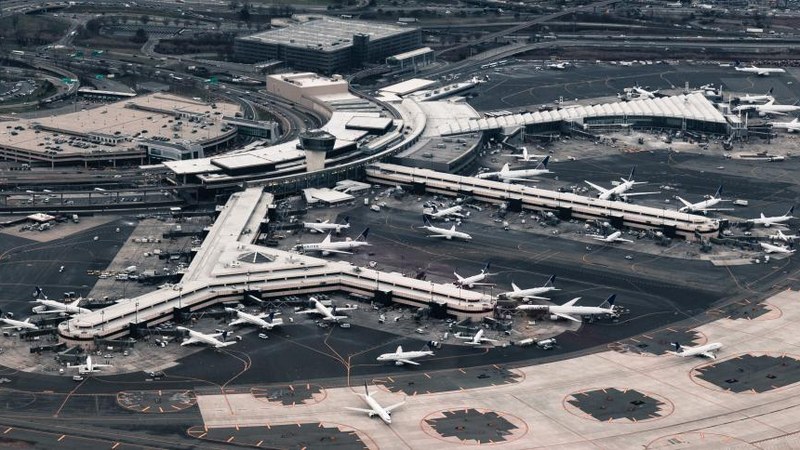
The Federal Aviation Administration implemented flight delays on Monday, July 27, 2026, at John F. Kennedy International Airport, LaGuardia Airport, Newark Liberty International Airport, and Philadelphia International Airport. The agency slowed arrivals and departures to manage limited capacity caused by severe weather and air traffic control staffing shortages.
Flight Delay Causes and Staffing Deficits
The delays resulted from a combination of severe summer storms and ongoing controller shortages. A line of storms with low clouds, heavy rainfall, and lightning risks impacted major airport corridors, forcing reduced aircraft spacing. Meanwhile, air traffic controller staffing at New York Area Terminal Radar Approach Control stood at only 57% of
the targeted level, contributing to capacity constraints. In response to these issues, the FAA extended flight limits at Newark through summer 2027 and at JFK and LaGuardia through late October 2028. Additionally, waivers allowing airlines to operate 10% fewer flights than minimum scheduled requirements remain in effect through late 2027 at JFK, LaGuardia, and Reagan Washington National Airport.
Operational Impact: Delays and Cancellations
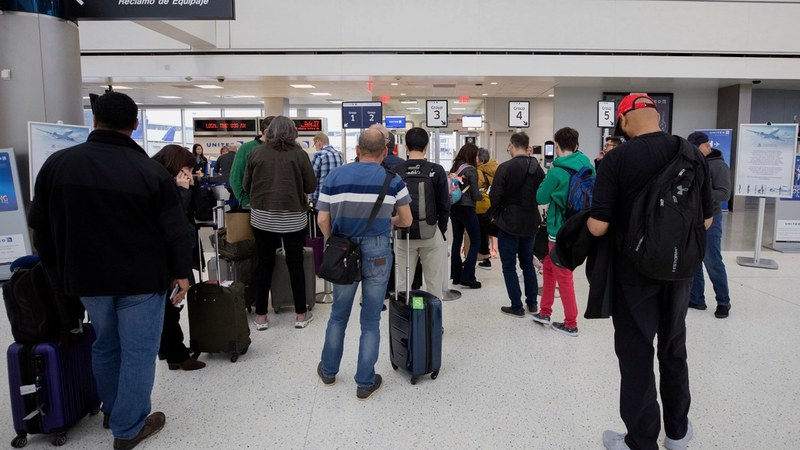
Operational effects included departure delays exceeding one hour at some New York airports. Ground delay programs slowed flights before departure, with average ground delays ranging from 71 to 149 minutes. FlightAware data reported cancellations ranging between 20% and 30% at the affected
airports, reflecting significant disruption. Airlines had to hold aircraft at gates or on taxiways until slots were available. The FAA’s flow programs metered aircraft arrivals and departures to reduce airspace gridlock and taxiway congestion.
FAA Regulatory Measures and Flow Programs
The FAA implemented flow control measures that meter arrivals and departures across the four airports. These programs aim to balance traffic safely by limiting how many flights can enter the busy airspace and on-the-ground areas simultaneously. The agency’s relief waivers on minimum flight usage requirements have been extended through late 2027. Flight caps imposed at Newark since May 2025 following disruptions at that United Airlines hub
were prolonged through October 2027. These policies reflect ongoing efforts to manage chronic congestion exacerbated by staffing shortages and variable weather.
Traveler Impacts and Airline Responses
Travelers faced longer-than-usual wait times both on the ground and in the air, increasing the risk of missed connections during the evening travel peak. In response, airlines operating in New York and Philadelphia issued travel waivers allowing itinerary changes without fees within specified date ranges and fare conditions. Passengers are advised to monitor flight status closely and anticipate delays. The cascading effect of disruptions at these four major airports also affected connecting flights nationally and internationally.
Northeast Corridor Congestion and Systemic Challenges
These delays occurred
amid intense summer travel along the congested Northeast corridor, an area prone to major disruptions from volatile weather and persistent controller shortages. Staffing levels have forced air traffic controllers to work mandatory overtime and six-day weeks. Despite investment in operational control centers and predictive weather tools by carriers, the constrained airspace remains vulnerable to storms and capacity limits.
Expected Duration of Disruptions
The FAA expects staffing shortages at Newark to persist through at least October 2027. Flight delay and cancellation disruptions on July 27 are projected to continue through the evening travel peak. The intersection of summer storms and limited air traffic control resources
suggests ongoing operational challenges for New York and Philadelphia airports during peak travel days in the near term.