>Ongoing Flight Disruptions Across Major European Airports
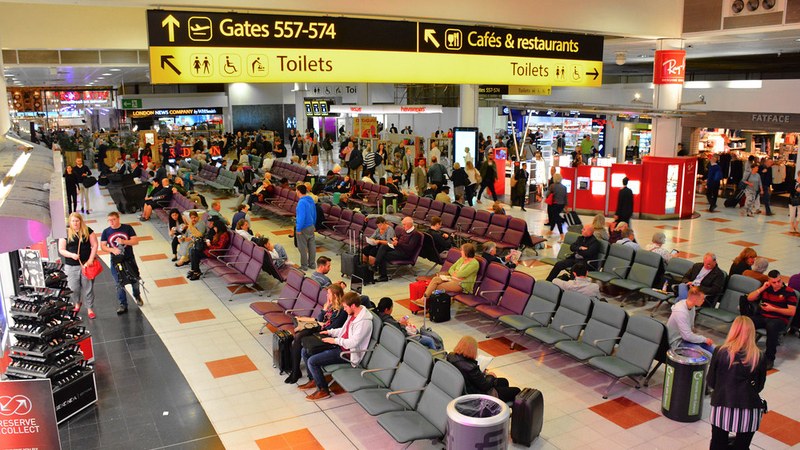
Significant disruptions continue in multiple key European airports including Madrid, Copenhagen, and London. These widespread flight delays and cancellations have had notable effects on major carriers such as easyJet, Wizz Air, and Cathay Pacific, impacting hundreds of flights both inbound and outbound across Europe.
Travelers, particularly those connecting from the United States, are experiencing the collateral consequences as transatlantic itineraries face extended connection times or missed connections due to these operational challenges at important European hubs.
>Madrid Airport Faces Severe Disruptions
Madrid Barajas Airport, a critical gateway for flights between the Americas and Europe, is at the center of ongoing operational disturbances. Both arrivals and
departures have been significantly affected, with delays cascading across schedules.
Airlines like easyJet and Wizz Air have reported multiple cancellations and delays at Madrid, contributing to traveler frustration and schedule instability. The airport’s role as a major transit point amplifies the impact on onward travel plans, especially for visitors traveling through Madrid to their final European or international destinations.
>Copenhagen and London Airports Also Experiencing Challenges
The ripple effect of flight disruptions is not isolated to Spain. Denmark and the United Kingdom have similarly reported extensive delays and cancellations at their major airports, including Copenhagen and London.
These hubs serve as pivotal connecting points within European networks
for numerous airlines, including prominent low-cost carriers and full-service operators. The result is a widespread impact on both local and international passengers, particularly affecting the smooth transit of U.S. tourists traveling through these gateways.
>Airlines Impacted: easyJet, Wizz Air, Cathay Pacific
Among the carriers most visibly affected are easyJet and Wizz Air, both of which have sizable operations across European short and medium-haul routes. The combination of cancellations and delays has put pressure on their operational recovery and passenger handling.
Cathay Pacific flights, often connecting from Asia through European hubs toward U.S. destinations, have also faced delays. This has compounded issues for travelers who rely on these
services for long-haul connections, adding to the complexity of managing onward journeys.
>Impact on U.S. Travelers and Transatlantic Connections
For U.S. tourists and business travelers making transatlantic flights with European layovers, the ongoing airport disruptions elevate risks of extended wait times or missed connections. Flight cancellations and delays at European hubs can cascade into longer than expected travel days or the need to rebook components of trips.
Airport capacity constraints and airline scheduling difficulties mean travelers should expect potential inconvenience if traveling through Madrid, Copenhagen, or London in the immediate term. Those with European connections are advised to monitor their itinerary closely, prepare for delays, and check
with their airlines or travel providers regarding any necessary adjustments.
>Broader European Airport Operational Context
The current state of multiple European airports highlights the ongoing operational challenges facing Europe’s aviation sector. While exact causes of these flight disruptions have not been fully detailed, factors such as resource constraints, air traffic control limitations, and complex scheduling pressures may contribute in varying degrees.
European hubs play a vital role in global connectivity, handling millions of passengers each month. Continued delays and cancellations inevitably affect the efficiency of international travel and can strain airport infrastructure and airline customer service resources.
>Recommendations for Affected Travelers
Travelers with itineraries involving European transit points, particularly
Madrid, Copenhagen, or London, are encouraged to remain vigilant and proactive. Checking real-time flight status updates, confirming connections, and having contingency plans can mitigate some of the disruptions’ inconvenience.
Engaging with airlines directly for rebooking options and being aware of airport facilities and support services can assist in navigating the current turbulence within European flight operations.