On July 20, 2026, European airports recorded 85 flight cancellations and 2,448 delays across countries including Spain, Germany, France, Austria, the Netherlands, the United Kingdom, Switzerland, Denmark, Ireland, and Iceland. Major airlines affected by the disruptions were Air France, Lufthansa, Austrian Airlines, British Airways, United Airlines, and others operating in this network.
Delays and Cancellations at Key European Airports
Frankfurt Airport faced the highest volume of delays with 283 and registered 5 cancellations. Lufthansa accounted for the majority of delayed flights at Frankfurt, followed by Condor, Discover, and Air Dolomiti. London Heathrow reported 268 delays alongside 10 cancellations, with British Airways being the most disrupted carrier there.
Paris Charles de Gaulle airport recorded 255 delayed flights and 10 cancellations; Air France bore the brunt of delays at this hub, with contributions from easyJet, HOP!, Delta Air Lines, and United Airlines. Zurich Airport tallied 247 delays and 10 cancellations, primarily impacting Swiss airlines, with additional disruptions for Air Baltic, Helvetic, Austrian Airlines, and Lufthansa. Vienna Airport had 243 delays and 7 cancellations, mostly involving Austrian Airlines, as well as Lauda Europe, Air Baltic, Eurowings, and Ryanair.
Airlines Most Affected by Delays and Cancellations
Austrian Airlines was the most disrupted carrier overall on July 20, with 153 delayed flights and 8 cancellations largely centered at Vienna
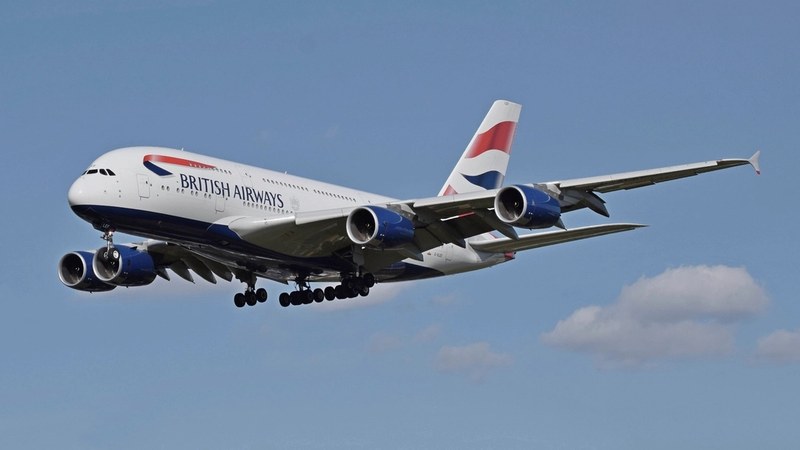
and Zurich airports. British Airways recorded 139 delays and 4 cancellations, primarily at London Heathrow. Air France experienced 125 delays and 3 cancellations, mostly at Paris Charles de Gaulle. United Airlines had the highest number of cancellations at 15 flights affecting routes through Heathrow, Paris, Zurich, Frankfurt, Dublin, Edinburgh, and Reykjavik. Other airlines impacted include Lufthansa, easyJet, HOP!, Delta Air Lines, KLM, Air Baltic, Helvetic, Lauda Europe, Eurowings, Ryanair, Condor, and Discover.
Causes of Disruptions Include Operational and Geopolitical Factors
The flight disruptions resulted from a combination of operational challenges, congestion at major European hubs, and elevated demand during the peak summer travel period. The interconnected nature of
Europe’s busiest airports amplifies the ripple effect of localized issues. Furthermore, heightened geopolitical tensions stemming from escalating hostilities between the United States and Iran contributed additional pressure. On July 17, 2026, an Iranian missile and drone attack targeted a U.S. base in Jordan, killing two American service members. The U.S. responded with airstrikes, leading to increased security concerns, airspace restrictions, and cautious flight planning. These developments affected international operations and added complexity to an already stretched European aviation system.
Traveler Impact and Network Strain
Passengers travelling on July 20, 2026, through major airports including Frankfurt, London Heathrow, Paris Charles de Gaulle, Zurich, Vienna, Madrid, Barcelona,
Amsterdam, Dublin, Berlin, Copenhagen, Edinburgh, and Reykjavik faced varying degrees of schedule changes ranging from delays to outright cancellations. Airlines operating extensive connecting flights, such as Austrian Airlines, British Airways, Air France, Lufthansa, Ryanair, easyJet, KLM, Swiss, United Airlines, and Iberia, experienced disruptions that affected subsequent flights across Europe. Travelers were advised to monitor their flight status carefully throughout the day to accommodate potential changes.
Europe’s Aviation Network Under Pressure During Peak Travel Season
The ongoing summer travel demand combined with European hub congestion has intensified strain on the continent’s aviation infrastructure. The dense network of daily flights linking busy airports means that operational delays and cancellations in one
location frequently cascade into others. The security-related complexities tied to recent geopolitical events further exacerbated operational challenges on July 20, 2026, highlighting the fragility of air traffic flow during periods of heightened external tensions.