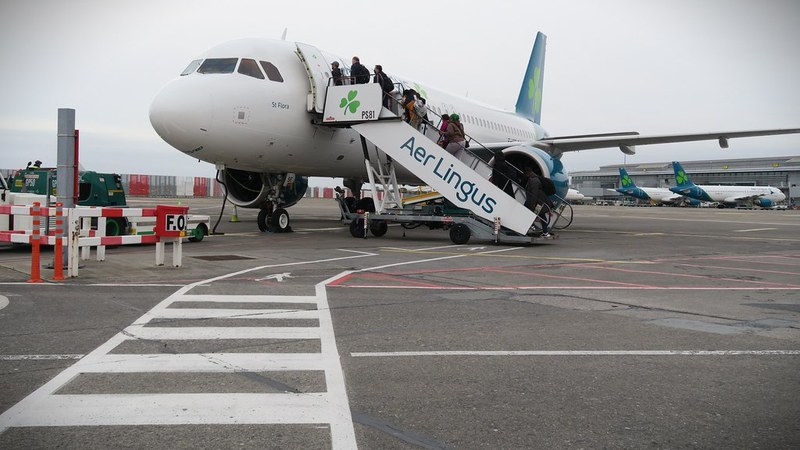
On August 14, 2026, European airports experienced 202 flight cancellations and 2,724 delays, with Barcelona’s Josep Tarradellas Barcelona–El Prat Airport emerging as a primary center of disruption during peak season.
Barcelona Airport Under Intense Operational Pressure
Barcelona’s Josep Tarradellas Barcelona–El Prat Airport, which handled over 57 million passengers in the previous year, faces significant operational strain under the current high traffic volumes. The airport functions as a major leisure gateway, and the sustained pressure during the summer peak has contributed notably to today’s widespread delays across Europe.
Causes Include Staffing Limits, Ground Handling, and Weather
Operational difficulties at Barcelona stem from a combination of air traffic control staffing constraints, ground handling issues, and adverse
weather events such as thunderstorms, heavy rain, and high winds. Labor tensions affecting ground service contractors, including strikes and potential work stoppages, have exacerbated baggage and ramp service backlogs at the airport.
Disruptions at Barcelona Ripple Across Europe
Delays and cancellations at Barcelona impact aircraft rotations and crew positioning, spreading disruption to other European states including France, Italy, Germany, and the United Kingdom. Late departures and cancellations cause missed connections in key hubs, fuelling cascading delays throughout the European air traffic network.
Eurocontrol Data Highlights Spain and France as Major Delay Factors
Eurocontrol analysis identifies air traffic flow management bottlenecks over Spain and France as leading sources of en route delays in recent months. Barcelona’s air
traffic control sector ranks among the highest contributors to delay minutes this season. Capacity restrictions in Catalonia’s airspace create knock-on effects reaching central and northern Europe.
Passenger Experience Includes Long Queues and Baggage Delays
Travelers at Barcelona report extended waiting times for arrivals and departures, delayed baggage handling, and last-minute schedule adjustments. The resulting missed connections contribute to the broader tally of 2,724 delays recorded across Europe on August 14.
Peak Season Volumes Increase System Vulnerability
Daily flight movements across Europe often exceed 30,000 during the peak season, with volumes near or surpassing pre-pandemic levels. This leaves the network fragile, as staffing limits and weather disruptions combine to overwhelm both ground and air traffic
operations at major hubs like Barcelona.
Travelers Advised to Monitor Flights and Allow Extra Time
Passengers flying through Barcelona or other affected European airports should anticipate significant delays and cancellations. Monitoring flight status closely, allowing additional time for connections, and understanding their rights under EU regulations are recommended responses to the operational challenges in place.