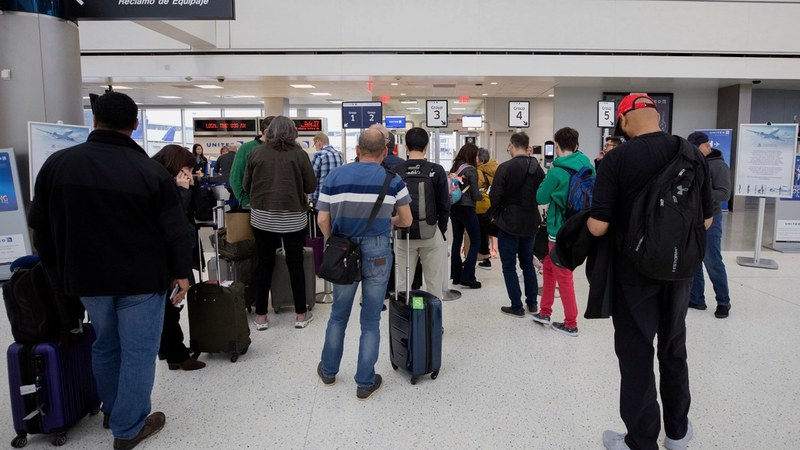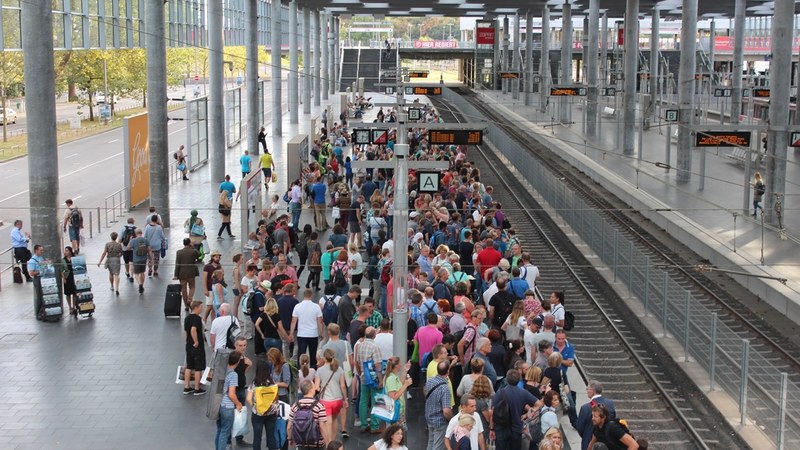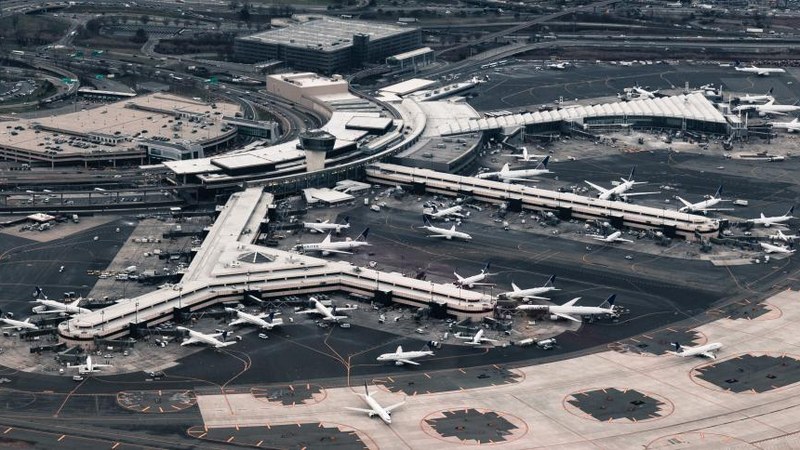
A technical failure at Eurocontrol’s air traffic management center in Brussels on Monday, 27 July 2026, caused widespread disruption to flight schedules across European airspace. The malfunction led to the complete crash of the Eurocontrol slot allocation system, critically affecting the regulation of takeoffs and route planning for flights throughout Europe.
Emergency Protocols Activated Amid Flight Congestion
Following the system collapse, an emergency response plan was activated, significantly reducing the number of approved takeoffs from all European airports. Airline representatives stated, “The slot allocation system at crashed, and an European emergency plan was activated that will dramatically affect the number of approved takeoffs from all European
airports.” The Israel Airports Authority warned passengers of extended delays on both incoming and outgoing flights, advising a high probability of prolonged disruptions for several hours after the failure.
Technical Causes and Combined System Failures
The cause was a technical malfunction in Eurocontrol’s slot allocation system at its Brussels center. This failure compounded a prior radar system issue reported in Greece the day before, which had placed pressure on regional flight corridors. The combined effect of these malfunctions disrupted hundreds of flights, producing severe congestion in European flight paths and significant scheduling backlogs.
Passenger Guidance and Industry Context
Eurocontrol coordinates air traffic control including route planning, flight regulation, slot allocations, and
civil and military air traffic synchronization across Europe. This disruption affected both civil and military flights, amplifying the impact beyond local operations. Local airport authorities declared the technical glitch was beyond their control. The Israel Airports Authority recommended passengers closely monitor updated flight schedules with their airlines before traveling. Airlines and airport officials continue working to restore normal operations while managing the backlog caused by the technical failure. Delays and backlog are expected to continue for several hours following the technical failure.