The European Union’s Move Toward Unified Train Booking
The European Union has introduced a new initiative aimed at streamlining train travel across member states by enabling passengers to book cross-border rail journeys with a single ticket. This development marks a significant step in consolidating booking processes that were previously fragmented by individual national rail operators.
For U.S. travelers planning extensive rail trips throughout Europe, this simplification offers a valuable tool to reduce complexity and planning time associated with coordinating separate train tickets for multiple countries. Passengers can look forward to smoother itineraries spanning several EU countries without the hassle of managing numerous individual bookings.
Enhancements in Rail Passenger Rights for International Travelers
Alongside the introduction of
integrated booking, the EU has reinforced rail passenger rights with particular attention to travel disruptions. The new measures guarantee rerouting options for missed connections and, when necessary, lodging accommodations.
These protections enhance traveler confidence by providing clearer recourse in the event of delays or cancellations — a feature particularly reassuring for tourists unfamiliar with local rail operations. Although exact implications for non-EU residents are framed broadly, these improvements represent a positive development towards uniform passenger safeguards.
Implications for International Rail Travel from a U.S. Perspective
American tourists frequently include Europe’s expansive railway network in their travel plans, valued for its convenience and sustainability. The EU’s integrated cross-border booking system
combined with strengthened passenger protections could make European rail more accessible and reliable for U.S. citizens.
By facilitating single-ticket bookings that span multiple countries, travelers can more easily craft multi-destination journeys with confidence. This could encourage a higher volume of rail-based exploration among U.S. visitors, especially in popular regions connected by high-speed and intercity trains.
Potential Impact on Tourism and Rail Industry Dynamics
The simplification within Europe’s rail travel ecosystem may lead to benefits extending beyond travelers themselves. Tourism sectors in destination countries are likely to see an uptick in visitors utilizing rail transport, possibly lengthening stays and increasing visits to secondary cities accessible by train.
Rail operators
across the EU member states stand to benefit from integrated ticketing systems that reduce customer service friction and improve passenger satisfaction. Additionally, the clearer passenger rights framework can strengthen overall trust in rail transport as a dependable mode of travel, potentially attracting new markets.
Future Considerations for U.S. Tourists and Industry Stakeholders
While the EU’s new cross-border train booking system represents progress, U.S. travelers should remain aware that detailed operational practices and comprehensive rollout stages have not been fully disclosed. The broad passenger protection guidelines apply generally but lack specific nuances for non-EU travelers.
Travel agents, tour operators, and other industry professionals focusing on European rail travel can
leverage these developments to better assist clients in navigating connected rail itineraries, promoting rail as a viable and seamless option for multi-country trips.
Image Attribution
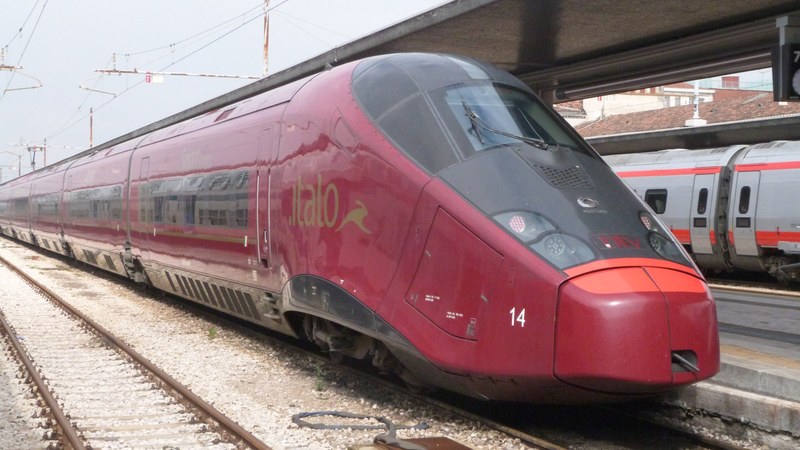
Featured image credit: Goosefriend, licensed under Creative Commons BY 2.0 (license details), sourced via Flickr (foreign landing page).
As European rail connectivity improves through these integrated booking and passenger rights initiatives, U.S. travelers have promising new reasons to revisit or newly explore the continent’s diverse destinations by train.