The European Union implemented its biometric Entry/Exit System (EES) in October 2025 across 29 member states, including land, sea, and air external Schengen borders. The phased deployment aims for full operational status by spring 2026, replacing traditional passport stamping for non-EU nationals with biometric identification.
EES captures facial images and fingerprints of travelers at border points, centralizing digital recordkeeping to enhance security and automate overstays. The EU agency eu-LISA manages the system’s technical operation, while national border authorities collect data during crossings.
The system’s gradual rollout requires dual manual passport stamping and biometric processing at many locations, contributing to prolonged
processing times. Initial biometric enrollment for first-time travelers demands full data capture, leading to extended waits compared to repeat travelers who undergo simplified biometric checks.
Several Schengen airports reported wait times reaching two hours in early 2026, particularly for passengers arriving from the UK, US, and other non-EU countries. Queue lengths and missed flights were documented at major hubs, with factors such as staffing levels, airport layout, and deployment stage affecting congestion severity.
European aviation bodies and travel associations have issued warnings about possible queue lengths extending to several hours during peak travel seasons if full biometric enrollment is mandated.
Industry organizations noted that technological malfunctions, limited kiosk availability, and manual interventions for vulnerable travelers further slow border control processing.
Airlines and airport groups have requested EU authorities and national governments authorize flexibility to scale back biometric data collection when delays become excessive. The EU framework permits member states to reduce biometric enrollment temporarily to alleviate bottlenecks and maintain line flow.
Similar congestion challenges appeared at land borders, most notably at the Croatia–Serbia crossing in late July and early August 2026. Holiday traffic combined with biometric processing caused multi-kilometer queues and multiple hours of waiting. Vehicle arrival patterns and ongoing
infrastructure upgrades contribute to operational difficulties at these border points.
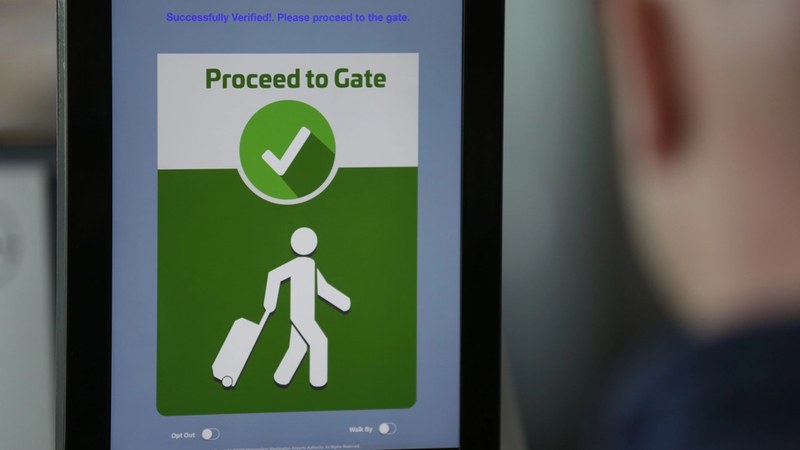
Governments and travel organizations increasingly advise passengers to allocate extra time for border processing and prepare for biometric registration procedures. Self-service biometric kiosks and automated gates are gradually replacing legacy manual booths to improve efficiency, with national authorities empowered to temporarily limit biometric collection during peak congestion periods.