The European Union’s biometric Entry/Exit System (EES) replaced manual passport stamping for non-EU nationals at Schengen external borders, entering service in October 2025. The system records personal data, travel timestamps, and biometric identifiers such as facial images and fingerprints. Its deployment spans land, sea, and air crossing points in 29 European countries, aiming for full operational status by spring 2026.
Impact on Non-EU Travelers
Since its phased rollout, travelers from non-EU countries have faced extended queues and wait times at passport control. Early 2026 reports indicate passenger waits reaching up to two hours at some busy airports for initial biometric registration, which requires a
complete set of fingerprints and facial scans. Manual passport stamping continues alongside digital processing in locations still transitioning, contributing to slower movement through border controls.
Operational Challenges Behind Delays
The complexity of biometric checks combined with limited staffing and existing infrastructure constraints have caused processing bottlenecks. Aviation and airport associations have flagged insufficient border control personnel and technology limitations. Transitional procedures forcing border officers to alternate between legacy systems and new biometric kiosks have further slowed processing. Manual assistance remains necessary for families, elderly passengers, and those unfamiliar with biometric technology.
Traveler Consequences and Preparations
Longer passport control queues have led to some non-EU passengers missing onward connections
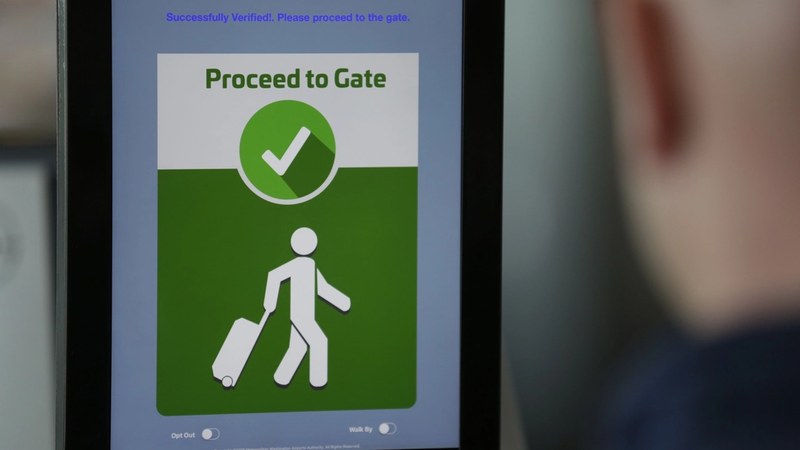
at arrival points. Governments and travel organizations advise arriving at airports earlier to accommodate anticipated biometric processing delays. Official guidance and carrier communications include reminders about biometric checks and maps to help travelers navigate kiosks and gates. Although initial biometric enrollment takes more time, repeat travelers provide fewer biometrics, enabling faster future crossings.
Official Responses and Flexibility Mechanisms
Airlines and airports have urged the European Commission and national authorities to utilize the EES system’s built-in flexibility to reduce biometric enrollment during peak congestion. The European Parliament acknowledges options allowing member states to temporarily limit biometric data capture to prioritize smooth line movement. Industry groups continue
to warn that without addressing staffing and infrastructure deficits, queues could extend to several hours at major hubs during high travel seasons.
Land Border Congestion and Infrastructure Issues
Land border crossings, particularly the Croatia–Serbia border, experienced several-kilometer-long queues and multiple-hour waits during the late July and early August 2026 holiday peak. Processing complexities involve a mix of biometric registration, passport checks, and customs inspections. Infrastructure upgrades, such as expanding inspection lanes and creating dedicated coach lanes, remain incomplete at several major road crossings, complicating efforts to streamline arrivals. Unpredictable vehicle arrival times further hinder efficient biometric processing.
Tourism and Future Efficiency Expectations
Industry reports warn that prolonged biometric processing threatens Europe’s
appeal for long-haul visitors accustomed to rapid electronic gates elsewhere. However, the system is designed to accelerate future crossings once travelers are fully enrolled. Lessons learned from land border operations under stress are expected to inform improvements at airports. Coordination among border agencies, airlines, and airports will be critical as the system approaches full deployment in spring 2026 amid peak travel demands.