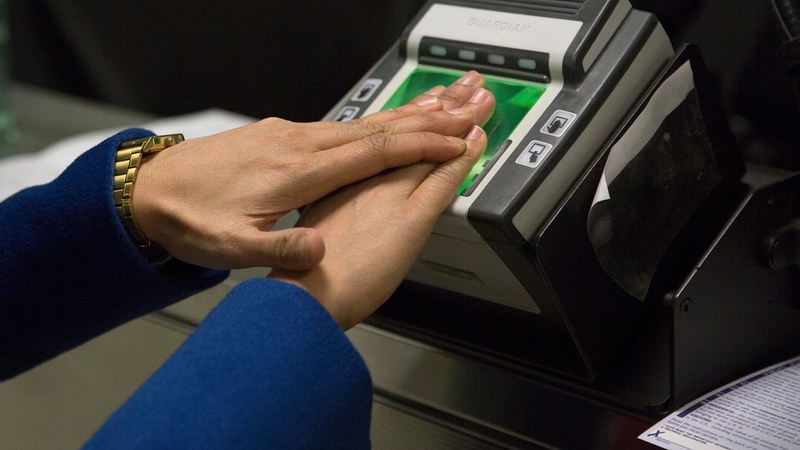
The European Union launched its biometric Entry/Exit System (EES) in October 2025, implementing digital biometric border controls across 29 European countries at land, sea, and air external Schengen crossing points. The phased rollout is scheduled to reach full mandatory biometric checks, including facial imaging and fingerprinting, at airports by spring 2026, with progressive coverage at other border locations thereafter.
Mandatory Biometric Controls Replace Manual Passport Stamping
EES replaces traditional ink-based passport stamping with a digital system that records travelers’ personal information and biometric identifiers. During the phased deployment, some border posts continue to perform manual stamping alongside biometric registration, resulting in duplicated checks that slow passenger processing.
National border services collect biometric data while eu-LISA manages the system’s technical operations.
Passenger Queues Increase and Flights Missed Due to Biometric Registration
As of August 2026, major airports in Europe have reported longer queues and occasional missed connections caused by the mandatory biometric border controls for non-EU nationals. Travelers who have not previously enrolled in the EES face longer registration times involving capturing facial images and fingerprints. Wait times during busy periods have reached up to two hours. The extended processing has been linked to insufficient border control staffing, limited kiosk availability, and additional assistance required for families and elderly travelers.
Land Borders Also Experience Long Queues, Including Croatia–Serbia
Land border crossings are impacted by similar delays
due to EES processing requirements. The Croatia–Serbia border has experienced multi-kilometer queues and multi-hour waits in peak holiday travel periods as vehicles arrive unpredictably and biometric verification infrastructure remains incomplete. Upgrades such as expanded inspection zones and additional lanes are in progress to alleviate pressures at land crossings.
Aviation Bodies Warn of Extended Queues During Peak Travel Periods
European aviation and airport associations have issued warnings that mandatory biometric registration could cause queues lasting several hours at major hubs during the summer peak if full biometric checks are strictly enforced. These industry groups state that border control resources have not scaled with the biometric system’s complexity and that technology glitches
contribute to processing bottlenecks. Authorities acknowledge mechanisms to temporarily limit biometric enrollment during excessive wait times.
Travelers Advised to Arrive Early and Prepare for Biometric Checks
National governments and travel organizations are encouraging passengers to arrive at airports earlier than usual and review updated guidance related to EES biometric procedures. Information campaigns emphasize preparing for fingerprinting and facial recognition steps and organizing documentation, particularly for families. Airlines and airports have enhanced pre-travel communications with reminders about the biometric requirements.
Authorities and Industry Work on Measures to Manage Biometric Processing
Efforts are underway to optimize passenger flow through expanded self-service biometric kiosks and refined border control procedures as travelers become more familiar with the technology. The European Parliament notes that member
states may use the system’s flexibility to ease biometric checks temporarily to prevent excessive congestion. Lessons from land border operations are expected to improve practices at air entry points as EES adoption continues.