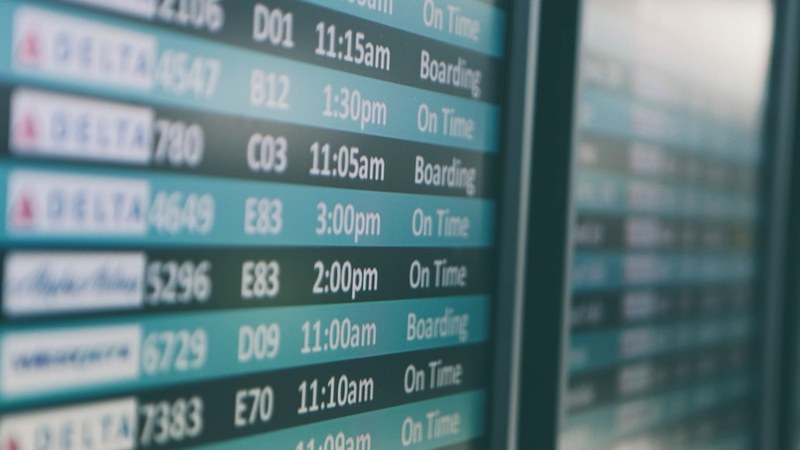
Delta Air Lines experienced a technical failure on the morning of November 22, 2026, that affected its automated system responsible for calculating aircraft weight and balance. This system integrates data on passengers, baggage, cargo, and fuel to ensure flights comply with U.S. safety regulations before departure. The outage slowed departure operations, triggering widespread flight delays particularly at Delta’s Atlanta hub.
FAA Imposes Ground Delay Program as Delays Mount Across Delta Network
To manage congestion at Hartsfield-Jackson Atlanta International Airport (ATL), the Federal Aviation Administration issued a ground delay program for Delta flights arriving at ATL from the contiguous United States. The restriction capped inbound arrivals, resulting in average additional wait times
close to one hour. Flight tracking data from FlightAware indicated over 1,100 delays and several dozen cancellations at ATL involving Delta and its regional partner, Delta Connection. Nearly 1,250 delayed arrivals and departures were recorded at ATL by late afternoon, including disruptions related to weather and other carriers. Nationwide, disruptions linked to Delta’s outage affected airports such as New York LaGuardia, Newark Liberty, Washington Reagan National, Washington Dulles, Boston Logan, Baltimore/Washington International, Miami International, Minneapolis-Saint Paul, Nashville, San Antonio, and Birmingham.
Manual Calculations Slow Departures, Leading to Taxiway Waits and Cancellations
With the automated system offline, Delta reverted to manual weight and balance calculations to maintain safety compliance. The manual
process slowed departure rates, causing long waits at airport gates and on taxiways as departures were cleared. The backlog limited available gates for arriving flights, resulting in some passengers experiencing extended taxi delays after landing. A number of flights were canceled when ground delays caused crew timeouts under federal work rules. Delta responded by rebooking affected passengers on the next available flights and offering hotel accommodations, meal vouchers, and refunds for customers who chose not to travel.
System Restoration and Ongoing Operational Recovery
Delta restored its automated weight and balance system fully later on November 22, allowing a gradual phase-out of manual procedures and a return
toward normal operations. The airline prioritized completing flights, considering cancellations as a last resort. Despite restoration, residual delays and irregular schedules continued into the evening of November 22 and into November 23 on certain routes due to displaced aircraft and crew. Travelers were advised to expect potential changes including rebooked connections, altered departure times, and aircraft substitutions as Delta realigned its network.
Safety and Regulatory Clarifications
Delta and the FAA emphasized that safety compliance was maintained throughout the outage using manual calculations. The FAA characterized the issue as specific to Delta rather than a failure of federal air traffic systems. No safety incidents related
to the disruption were reported. Delta confirmed its policy to provide customer accommodations including rebooking, refunds, hotel stays, and meal vouchers in cases of significant delay or cancellation.
Prior November Ground Stop and Industry Context
This outage followed a rare nationwide ground stop earlier in November 2026 triggered by FAA communication system upgrades that affected all major U.S. airlines. Other carriers, including United Airlines, have encountered similar technical disruptions affecting operational systems in the same period. Industry discussions around these incidents focus on improving system resilience, redundancy, and communication protocols between airlines, the FAA, and airports amid high travel demand. The clustering of technology-related issues during the
pre-Thanksgiving travel peak exposed vulnerabilities in airline operational infrastructure.