Delta Air Lines encountered a system failure of its automated weight-and-balance calculations on Sunday, November 22, 2026, disrupting its national flight network amid the Thanksgiving travel surge. The outage halted the airline’s ability to process automated load calculations for all flights starting that morning.
Flight Delays and Cancellations Concentrated at Atlanta Hub
By 4 p.m. Eastern Time, over 1,100 flights linked to Hartsfield-Jackson Atlanta International Airport—Delta’s primary hub and the world’s busiest airport—were delayed, according to FlightAware data. At least 36 flights had been canceled at Atlanta by the same time. Nationwide, Delta canceled approximately 202 flights, accounting for nearly 4% of its scheduled U.S. departures that day.
By the evening, delays had spread with around 1,800 flights across the United States running behind schedule.
Cause of Outage and FAA Response
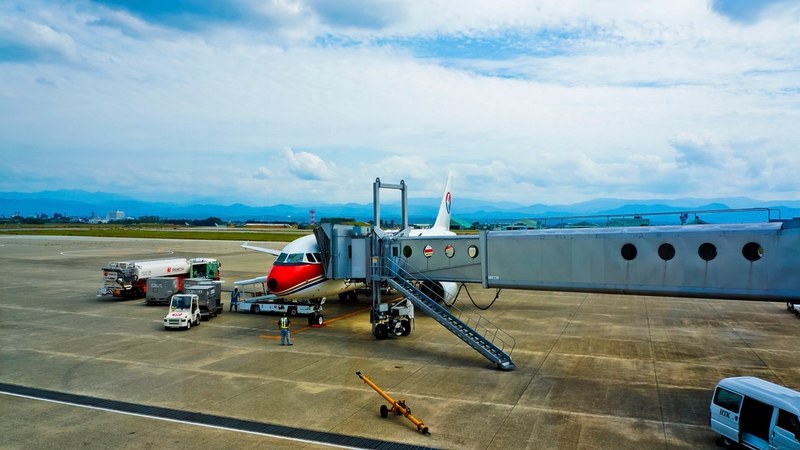
The outage affected Delta’s mandatory automated weight-and-balance system, critical for determining the precise aircraft weight distribution before departure to meet federal safety rules. The system failure prevented automatic calculations of passenger, baggage, and cargo weights. Delta crews reverted to slower manual calculations, increasing turnaround times and compounding delays. The Federal Aviation Administration (FAA) intervened by briefly grounding all inbound flights to Atlanta on the morning of November 22, then imposed a managed arrival schedule. The FAA issued a ground stop lifted at 11:26
a.m. ET and specified that the delays were unrelated to any fault in its air traffic control systems.
Passenger Impact and Airline Response
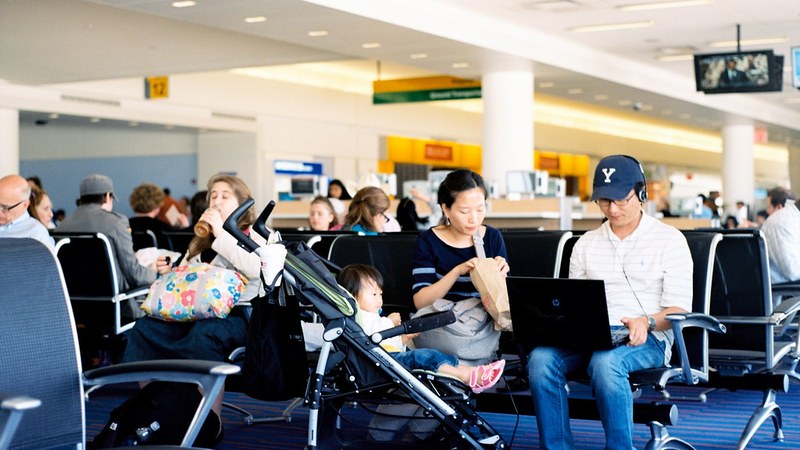
Delta passengers experienced widespread delays and missed connections nationwide on November 22. The airline offered full refunds for canceled flights and assisted with rerouting. It also reimbursed meal costs and arranged hotel accommodations for stranded travelers unable to depart before nightfall. Hartsfield-Jackson officials stressed the disruption was confined to Delta’s systems, affecting no other carriers or the airport’s operations, and encouraged passengers to check flight status directly with their airline.
Recent Patterns of Aviation Technology Failures
This outage marked the third significant technological failure affecting U.S. aviation within
ten days. Earlier, the FAA executed a historic nationwide ground stop on November 13 due to a telecommunications failure impacting 22 regional air traffic control centers, resulting in about 12,000 canceled flights over more than four hours. On November 16, United Airlines suffered its own weight-data system outage lasting roughly 100 minutes, disrupting pilot systems and pre-departure load calculations before restoration the same day.
Delta restored its automated weight-and-balance system the afternoon of November 22 and took measures to recover its schedule. FlightAware data by Sunday evening indicated that 58% of Delta flights remained delayed. These recent failures underscore the
vulnerability of U.S. aviation infrastructure during peak travel periods like Thanksgiving.