Significant Flight Disruptions at Atlanta’s Key Hub
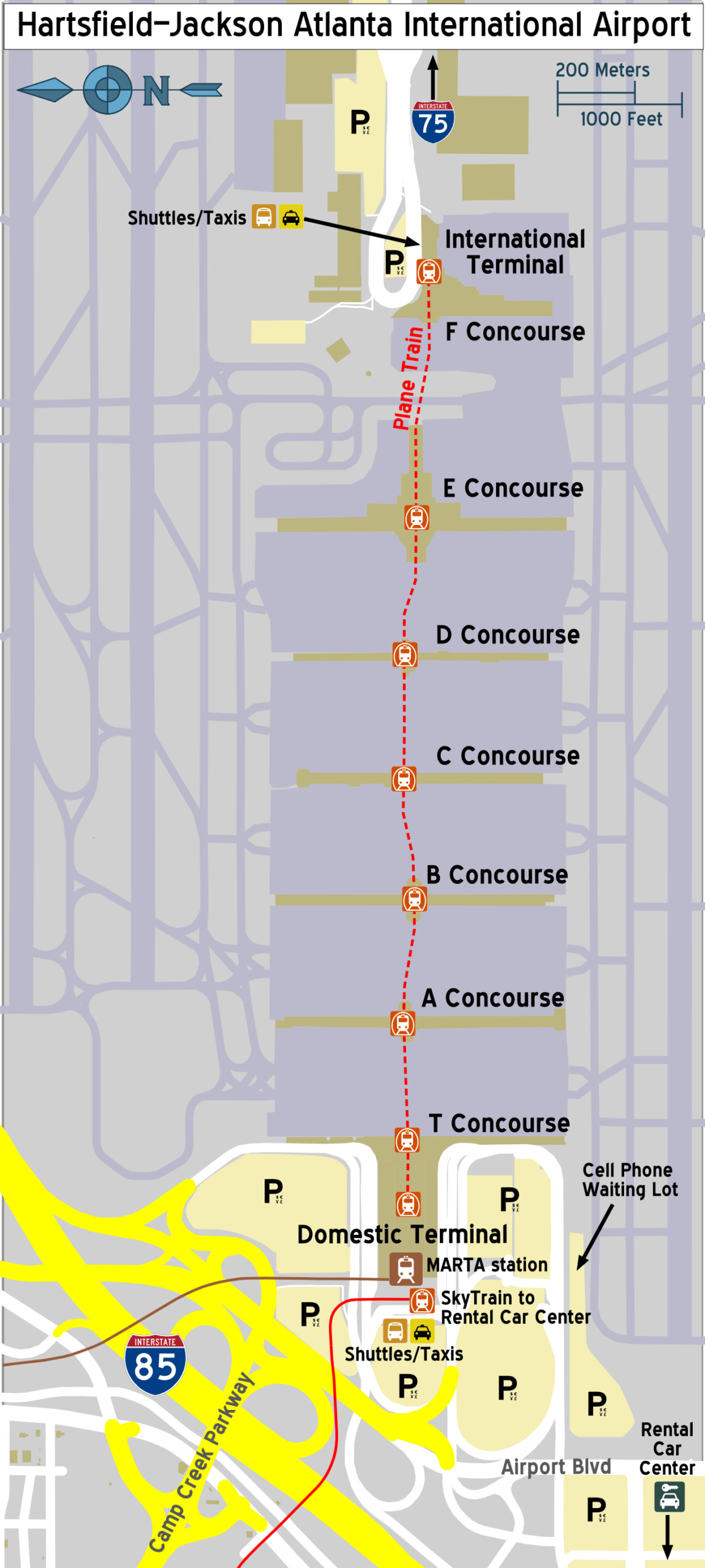
Passengers traveling through Hartsfield-Jackson Atlanta International Airport, a vital hub for Delta Air Lines, have recently encountered substantial travel challenges. Delta has canceled 14 flights and delayed over 100 others at this facility, which services some of the busiest domestic connections in the United States. While specific reasons for these disruptions have not been publicly clarified, the widespread cancellations and delays emphasize the ongoing operational pressures faced by airlines and airports nationwide.
These disruptions at Hartsfield-Jackson Atlanta, recognized as one of the world’s busiest airports, underscore the complexity of managing high-volume flight operations. The airport plays a pivotal role in
connecting travelers across the U.S., and any disturbance inevitably creates cascading effects on passenger itineraries.
Routes Most Affected by the Disruptions
The impacted flights primarily serve key domestic corridors, including destinations such as Baltimore, Cincinnati, Washington, Denver, and Miami. Travelers using these routes may experience cancellations alongside extended wait times resulting from the delayed departures and arrivals. These cities are crucial business and leisure travel markets, making flight reliability critically important for those dependent on Delta’s network.
Passengers flying to and from Baltimore or Washington may find their connections through Atlanta disrupted, complicating travel plans, while those heading toward Denver and Miami could experience ripple effects
that alter their schedules. The scope of the interruption indicates a broader operational challenge rather than isolated incidents confined to a single route or segment.
What Travelers Navigating Atlanta Should Expect
For travelers currently planning to transit via Hartsfield-Jackson Atlanta, it is advisable to remain vigilant regarding flight status updates. The dynamic situation at the airport means departure and arrival times may adjust with little advance notice. Checking with Delta Air Lines directly through their official communication channels can provide the most current information.
Additionally, passengers should prepare for potential longer waiting times at security checkpoints and around the terminal areas due to the volume of
delayed flights. Being present well in advance of scheduled departure, having contingency plans, and staying informed about alternative flights or rebooking options can help mitigate some of the inconveniences posed by these disruptions.
Broader Context and Continuing Developments
While the precise causes behind the recent cancellations and delays remain unspecified, industry observers note that fluctuating staffing levels, meteorological conditions, and technical issues frequently contribute to such operational pressures. Atlanta’s status as a principal hub intensifies the impact of these factors.
Delta Air Lines has been working to adjust schedules and accommodate affected travelers where possible, though complexities inherent in high-frequency, high-capacity routes complicate such efforts.
Passengers with connections through Hartsfield-Jackson Atlanta, particularly those destined for the highlighted cities, are advised to maintain close contact with airline representatives and airport services to minimize disruption risks.
As the situation evolves, it serves as a reminder of the challenges in managing large-scale airline networks and the importance of flexibility for travelers navigating major U.S. airports. Going forward, airline and airport officials will likely continue focusing on improving operational resilience to reduce similar occurrences, recognizing the vital role hubs like Atlanta play in domestic air travel.