Indian Railways cancelled 245 Mail and Express trains on October 10, 2026, scheduled to arrive at New Delhi and Hazrat Nizamuddin railway stations between 4 am and 2 pm. The cancellations affected trains departing their origins after 2 pm on October 9 and included prominent Rajdhani, Shatabdi, Garib Rath, Tejas, and other express services. Specific cancelled trains include the Sealdah–New Delhi Rajdhani Express (12313), CSMT–Hazrat Nizamuddin Rajdhani Express (22221), Magadh Express (20801), Tejas Raj Express (12309), Sampoorna Kranti Express (12393), and Amrit Bharat Express (22361). The decision targeted reducing severe road congestion expected around these major Delhi railway terminals.
Security Deployment and Metro Station Closures
Delhi
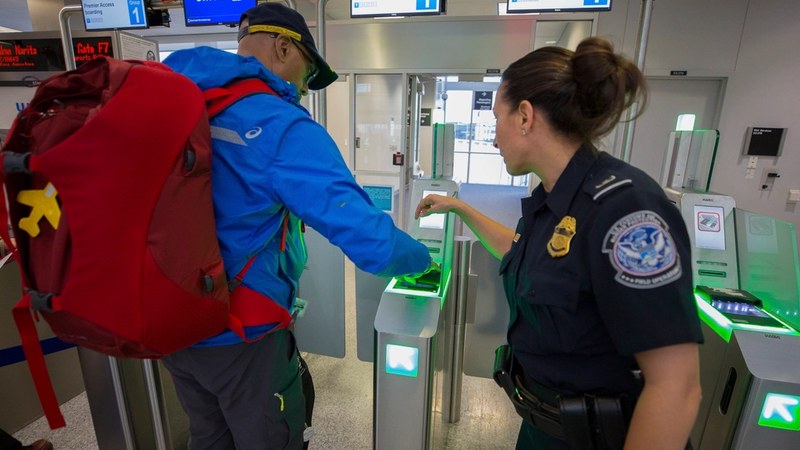
Police deployed 23,000 security personnel across the city from October 8 to October 12, 2026, focusing on the protest planned for October 10. Authorities implemented multi-layered security measures including barricading, CCTV surveillance, and facial recognition system-enabled cameras especially in New Delhi. The Delhi Metro Rail Corporation (DMRC) closed 45 metro stations, including major hubs such as Janpath, Patel Chowk, Central Secretariat, Rajiv Chowk, Mandi House, Kashmere Gate, Hauz Khas, and Supreme Court from 9 pm on October 9 to 6 pm on October 10. Metro interchanges remained operational except at New Delhi metro station.
Protest Background and Official Response
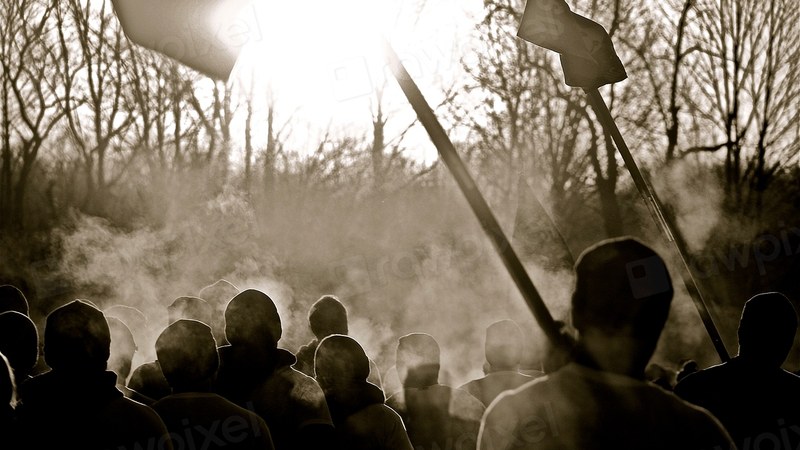
The cancellations and security preparations were
in response to a protest organized by the Cockroach Janta Party (CJP), student groups like AISA and AISF, social activists, and farmer organizations demanding the resignation of the Chief Election Commissioner and rollback of the Special Intensive Revision (SIR) of electoral rolls. Delhi Police denied permission to hold protests citing past violations and short notice, but multiple civil groups proceeded with plans. The Ministry of Home Affairs augmented Delhi Police with additional Central Armed Police Forces companies. The Delhi government ordered closure of retail liquor vendors and educational institutions shifted to online sessions or postponed events to prevent law and
order issues.
Impact on Travelers and Official Advisories
The rail disruptions caused passengers significant travel difficulties. Railway sources quoted by IANS reported that around 5,000 passengers missed their trains on October 9 due to traffic congestion and protest-related delays. Several IRCTC group bookings were cancelled. Indian Railways advised passengers scheduled to travel to or from Delhi on October 9 and 10 to verify the latest train running status and cancellations before departure. Helpdesks were established at stations to assist passengers. Travelers were urged to consider road congestion and public transport restrictions while planning.
Official Statements on Cancellations
The Divisional Railway Manager of Sealdah posted on official social media that the
Sealdah–New Delhi Rajdhani Express (12313) scheduled to depart on October 9 was cancelled due to anticipated heavy traffic ahead of the protest, and requested passengers to plan accordingly, expressing regret for the inconvenience. DMRC announced the metro station closures via official X posts, stating entry and exit at 45 stations would remain closed from 9 pm on October 9 until 6 pm on October 10 for security reasons, with interchange facilities available except at New Delhi metro station. Railway and police sources confirmed extensive security deployments and monitoring to maintain order during the protest period.