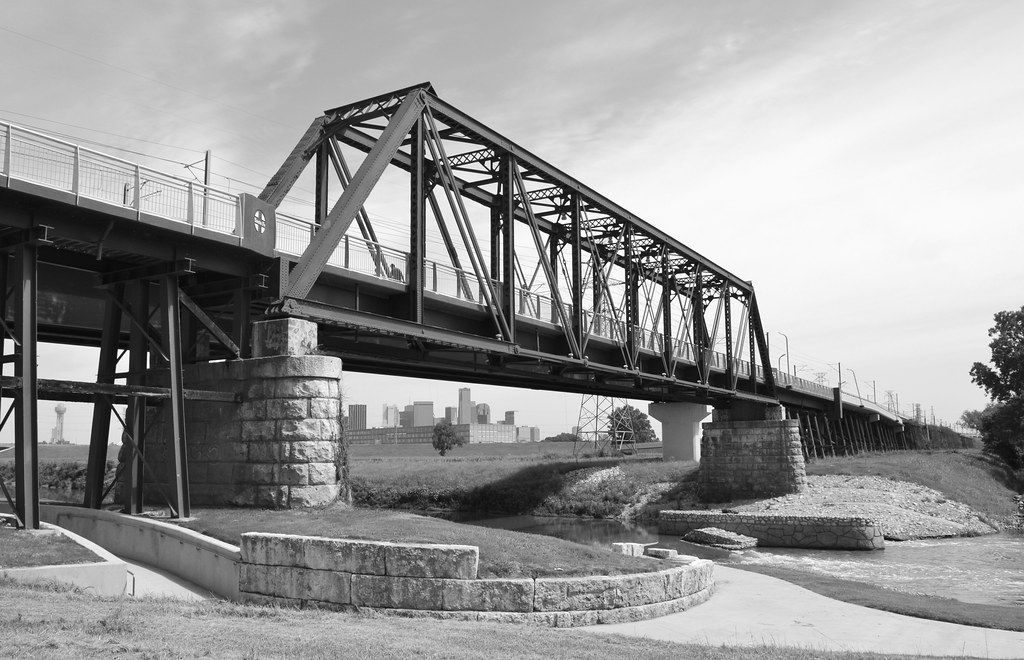
Revival of Discussions on Dallas High-Speed Rail Route
Transportation authorities have recently resumed negotiations concerning the routing of a planned high-speed rail corridor through Dallas, marking a potentially significant step for rail infrastructure development in Texas and across the United States. These discussions represent a renewed commitment to explore feasible pathways for integrating high-speed rail into the state’s existing transportation network.
Texas Transportation Network and Regional Connectivity Considerations
As the talks progress, officials are assessing how the proposed rail route might complement and enhance Texas’s broader transportation framework. The Dallas rail route, in particular, is under scrutiny to ensure alignment with local transit needs and infrastructure capabilities. Though specific logistical details remain under review, the
emphasis is on identifying a route that maximizes accessibility and regional economic benefit.
Implications for U.S. Rail Infrastructure Expansion
The ongoing negotiations in Dallas occur amid broader national conversations about modernizing and expanding U.S. rail infrastructure. High-speed rail projects have garnered attention as potential solutions to congestion, environmental concerns, and intercity travel demands. The outcomes of these talks could serve as a bellwether for similar initiatives in other parts of the country, reflecting shifting priorities in sustainable and efficient transportation.
Travel Industry and Tourism Business Impact
Should the Dallas high-speed rail project advance successfully, it could enhance travel options for millions of residents and tourists within Texas and beyond. Improved rail connectivity
may stimulate tourism growth by facilitating easier access to metropolitan areas and regional attractions, positively impacting local hospitality sectors. Rail infrastructure improvements can also contribute to job creation and economic diversification in affected communities.
Enhanced Attraction of Regional Destinations
With faster and more reliable rail service, destinations within and near Dallas may experience increased visitation. This could lead to expanded opportunities for tourism-related businesses, including accommodations, dining, and cultural venues, which often rely on robust transportation links to draw visitors.
Challenges and Questions Remaining in the Project’s Viability
Despite the progress in talks, uncertainties remain regarding the full viability of the high-speed rail initiative in Texas. Factors such as funding sources, route engineering
complexities, and regulatory approvals continue to require resolution. These elements will ultimately influence the scope and timeline for any realized project.
Looking Ahead: Potential Transformations for American Travelers
The renewed negotiations symbolize a constructive step toward reshaping how Americans travel across major urban centers and regions. For passengers, enhanced rail services could offer an alternative to air and road transport, with benefits that include reduced travel times and environmental advantages.
While final decisions on routes and project details are pending, the ongoing dialogue underscores a growing interest in revitalizing rail infrastructure to meet 21st-century transportation demands.