Significant Operational Challenges at Chicago O’Hare
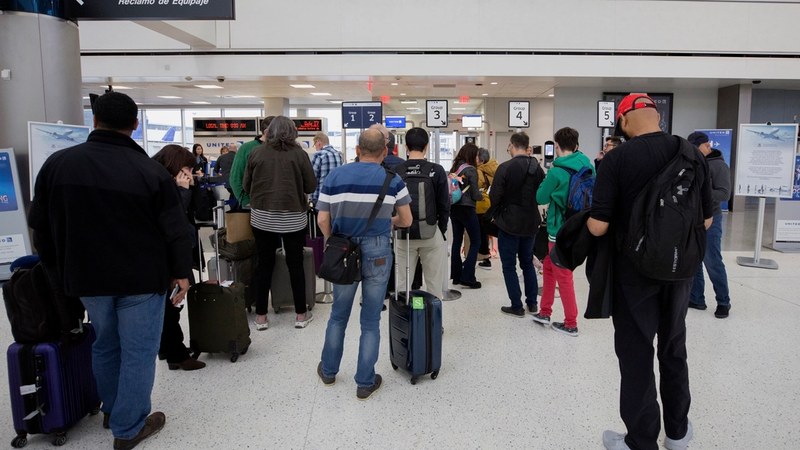
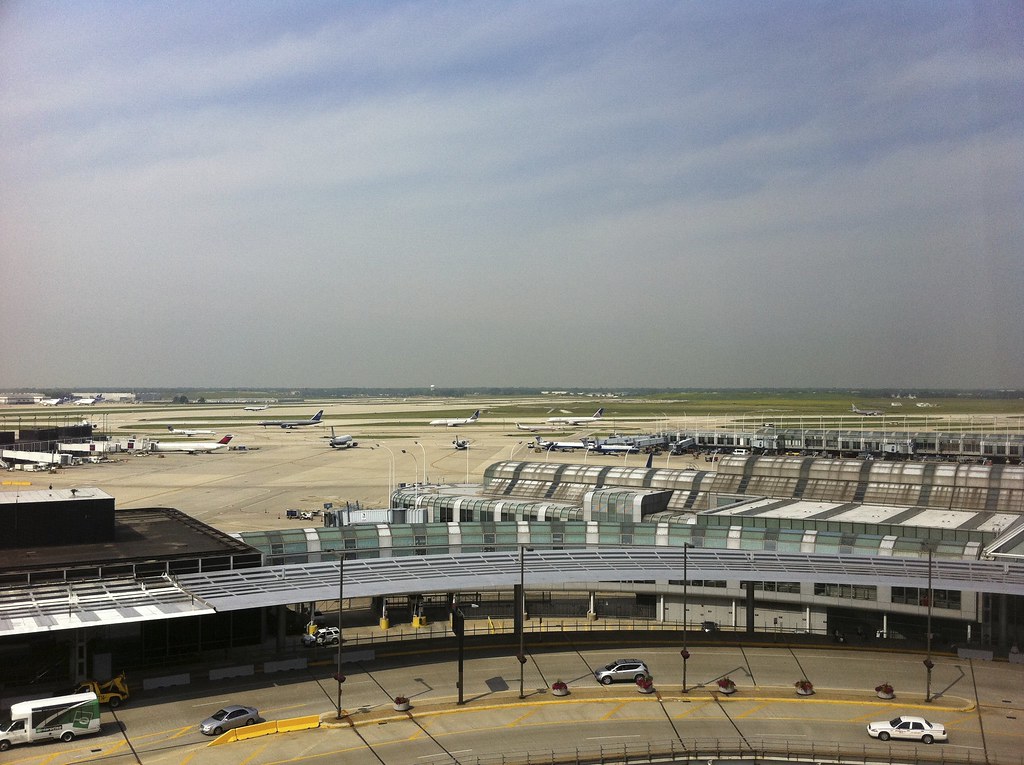
Chicago O’Hare International Airport is currently experiencing widespread operational disruptions, with several hundred flights delayed and numerous cancellations reported. This impact has affected the schedules of key domestic and international services predominantly operated by major U.S. airlines including United Airlines, SkyWest Airlines, and American Airlines. The unprecedented scale of delays and cancellations is causing considerable disruption to travelers passing through one of the nation’s busiest aviation hubs.
According to available data, more than 450 flights have encountered delays, while over 50 flights were outright canceled. This has rippled across numerous routes that connect Chicago to major cities such as New
York, Toronto, and London, affecting both business and leisure travelers. The disruption has slowed down operations and pressed airlines to manage rescheduling and passenger accommodations amid the high volume of affected flights.
Airlines and Key Routes Most Severely Affected
United Airlines, one of Chicago O’Hare’s largest operators, has been notably impacted alongside regional carrier SkyWest Airlines and American Airlines. These three carriers operate a significant portion of flights servicing both domestic hubs and international gateways, increasing the operational strain during this event.
Flights between Chicago and major U.S. destinations such as New York have been widely delayed, posing challenges for connecting passengers. Additionally, key international routes to
Toronto and London have also experienced cancellations and delays. These disruptions have the potential to cascade, impacting schedules well beyond the airport itself due to aircraft and crew reassignments.
Implications for Travelers and Airport Operations
American travelers utilizing Chicago O’Hare as their connecting point or final destination should prepare for extended wait times and possible itinerary changes. The scale of affected flights may require passengers to monitor updates closely and coordinate directly with airlines for rebooking options.
While the precise causes for each delay and cancellation remain undisclosed, travelers are advised to arrive earlier than usual for check-in and security, stay aware of gate changes, and
consider alternative flights if timing is critical. Airlines are likely to offer assistance to affected customers, but passengers should anticipate higher volumes of inquiries and longer service response times.
The airport has not indicated immediate contingency measures beyond regular operational adjustments, but ongoing flow disruptions pose logistical challenges for ground services, baggage handling, and boarding processes.
Outlook and Continuing Developments
Operational recovery at Chicago O’Hare will depend on multiple factors including weather conditions, air traffic control management, and airline capacity to restore schedules. Travelers are encouraged to check official airline channels and the airport’s flight status updates frequently.
As the situation unfolds, further announcements
about delays or cancellations are expected, and travelers with planned itineraries through O’Hare should maintain flexible travel arrangements where possible. This disruption serves as a reminder of the complexities involved in managing one of the world’s busiest airport systems, especially amid fluctuating demand and evolving operational constraints.
For now, vigilance and preparedness remain critical for passengers navigating Chicago O’Hare and its network of domestic and international flights.