Flight Delays and Cancellations Impact Major Airlines at Chicago O’Hare
Chicago O’Hare International Airport, a critical hub for U.S. and international air travel, is currently experiencing widespread flight disruptions involving leading carriers. United Airlines, SkyWest Airlines, and American Airlines have reported extensive delays and cancellations, affecting both domestic and international routes. This disruption is compounded by the multitude of connections and high passenger volume typically managed through O’Hare.
Reports indicate that over 450 flights have faced delays alongside a significant number of cancellations. The affected routes include prominent markets such as New York, Toronto, and London, emphasizing the disruption’s scale and its ripple effects across North American and transatlantic flights.
Operational Challenges Affecting Passenger Schedules
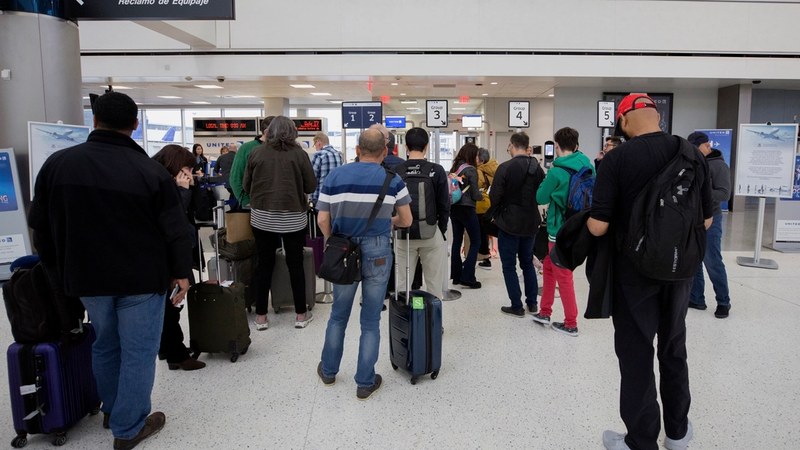
These delays and cancellations are creating unpredictable conditions for travelers passing through the Chicago hub. Passengers are encountering lengthy waits and uncertainty as airlines work to rebook and manage schedules. The impact is particularly pronounced for those with tight connections or plans involving international destinations, which often see less frequent service.
United Airlines, a primary operator at O’Hare, along with regional partner SkyWest Airlines, is experiencing notable disruptions across key routes. Similarly, American Airlines has reported cancellations that influence its scheduling and service reliability out of the airport. Such challenges highlight the complexities involved in managing peak-time traffic and operational
resilience in one of the world’s busiest airports.
What Travelers Should Consider During the Disruptions
Given the current situation, travelers intending to fly through Chicago O’Hare should account for possible delays and be prepared to adjust their travel plans accordingly. Staying closely informed through official airline communications and real-time flight status updates is critical. Flexible ticket options and advance coordination with airlines may aid passengers in mitigating inconvenience.
Those with connections in or out of O’Hare should monitor schedules actively and consider alternative arrangements if timelines become prohibitive. Airports such as O’Hare often experience congestion due to weather, technical, or staffing factors; while specific causes for the
present disruptions have not been detailed, travelers could expect ongoing operational challenges in the short term.
Broader Implications for U.S. Air Travel
As a key node in the U.S. aviation network, significant delays and cancellations at Chicago O’Hare have wider effects on airline operations and passenger flows. Disruptions at a major hub often cascade to feeder airports and intersecting airlines, potentially complicating schedules nationwide.
Industry observers note that such occurrences underscore the importance of contingency planning and enhanced communication strategies by carriers. While the present disruptions remain a critical concern for affected passengers, they also serve as a reminder of the ongoing challenges faced in maintaining
reliable air travel in high-demand environments.
Travelers planning trips through Chicago O’Hare in the near term should maintain vigilance and allow for additional transit time. The collective efforts of airlines, airport authorities, and passengers will be essential in navigating this period of heightened operational stress.