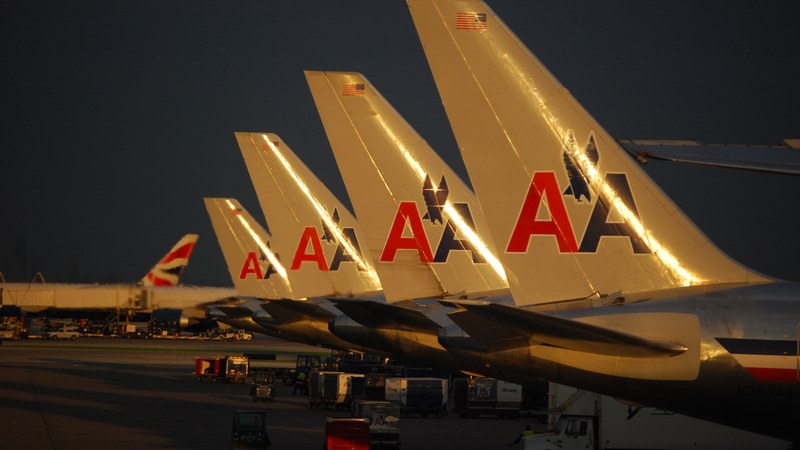
Chicago O’Hare International Airport registered 1,055 flight delays and 175 cancellations on September 17, 2026, as the Federal Aviation Administration (FAA) imposed ground delay programs averaging 126 minutes in response to thunderstorm activity impacting the region.
Major Airlines Disrupted at O’Hare
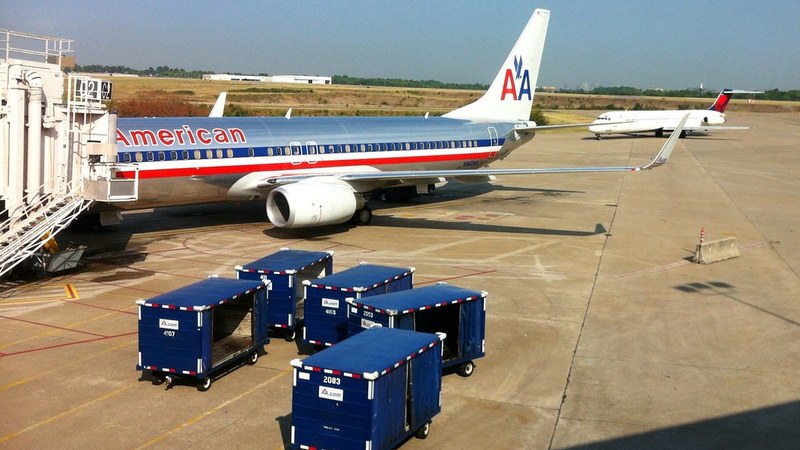
Airlines for which O’Hare serves as a primary hub faced significant operational challenges. United Airlines and American Airlines experienced considerable disruption to their schedules. Southwest Airlines reported 893 nationwide flight delays on the same day, many associated with operations in the Chicago area. Regional carriers SkyWest Airlines, Republic Airways, and Envoy Air also reported delays and cancellations linked to the O’Hare weather event.
Meteorological and Operational Causes
The
delays were driven primarily by thunderstorms moving through the Chicago area. The FAA implemented traffic management restrictions requiring aircraft spacing around active storm cells, which reduced hourly aircraft movements and triggered a backlog at O’Hare. The airport’s geographic setting subjects it to complex weather patterns from Canadian cold fronts, moisture-rich systems from the Gulf of Mexico, and Lake Michigan–induced instability, complicating weather forecasting and response.
Traveler Impact and Regulations
Passengers at O’Hare faced missed connections that often required overnight rebooking. Customers with cancelled flights had the right to a full refund to their original payment method if they declined new bookings. Because the delays
fall under thunderstorm-related causes, airline compensation requirements enforced by the Department of Transportation (DOT) for controllable delays generally did not apply. Passengers on domestic flights held on the tarmac for three hours or more have a right to deplane, except in limited safety-related exceptions.
O’Hare’s Role and Context
The 1,055 delays and 175 cancellations exceed three to four times the volume of previous disruption days observed at O’Hare in 2026, such as the 326 delays and 18 cancellations in July, or the 257 delays and 7 cancellations in mid-June. This reflects O’Hare’s status as one of the world’s busiest and most connection-dependent hubs, where
high density in scheduled operations amplifies the effects of weather-driven FAA ground delay programs.