Chicago O’Hare International Airport recorded 1,055 flight delays and 175 cancellations on September 17, 2026, according to FlightAware data logged at 1:41 PM ET. The average ground delay at O’Hare was 126 minutes, following an FAA-imposed ground stop designed to manage traffic amid active thunderstorm cells moving through the Chicago region.
Airlines Impacted by Disruptions at O’Hare
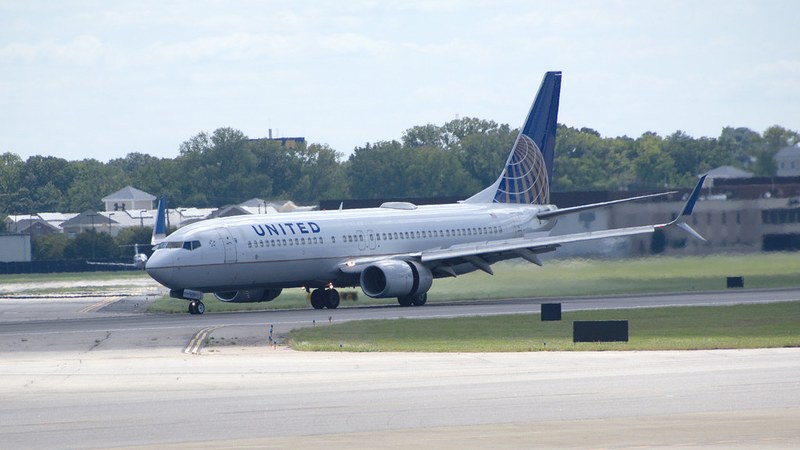
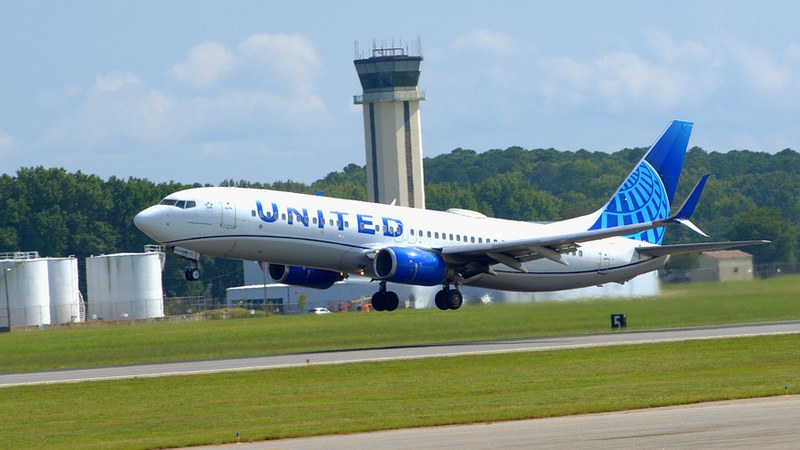
United Airlines and American Airlines, both of which use O’Hare as a primary hub, faced significant disruptions in their operations. Southwest Airlines experienced 893 nationwide flight delays on the same day, with a significant portion connected to its Chicago-area flights. Regional carriers SkyWest Airlines, Republic Airways, and Envoy Air
also reported effects attributed to the O’Hare ground stop event.
Compared to earlier disruptions in 2026, including 326 delays and 18 cancellations in July and 257 delays and 7 cancellations in mid-June, September 17’s delay volume at O’Hare was roughly three to four times greater.
Meteorological and Operational Factors Behind the Delays
The delays and cancellations occurred as the FAA enforced a ground stop coupled with air traffic management restrictions to maintain safe aircraft spacing around thunderstorm activity in the Chicago area. O’Hare’s geographic location exposes it to weather systems arriving from Canada, the Gulf of Mexico, and Lake Michigan, creating complex meteorological conditions. This, combined with
O’Hare’s dense flight schedule as one of the busiest connecting hubs in the United States, amplified the impact of weather-related traffic restrictions, causing delays to accumulate quickly.
Passenger Rights and Travel Disruptions
Passengers affected by the 175 cancellations on September 17 are entitled to full refunds to their original payment methods without restriction to vouchers. The U.S. Department of Transportation mandates full refunds for airline cancellations regardless of cause. However, compensation rules offering up to $775 for delays exceeding three hours typically do not apply to weather-related delays, which are considered outside airline control.
Domestic passengers on flights held on the tarmac have a right
to deplane if delays exceed three hours, barring safety exceptions. The disruptions caused missed connections requiring overnight rebooking and extensive wait times at gate counters for passengers seeking new arrangements.
National Context and Travel Advisory
Chicago O’Hare accounted for approximately 25% of all flight delays nationwide on September 17, marking an exceptional disruption. Despite the thunderstorms clearing after September 17, residual schedule interruptions are expected to continue due to aircraft and crew positioning issues carried into subsequent days.
The Department of Transportation advises passengers to obtain written confirmation of disruption causes from airlines and to escalate unresolved compensation or refund claims through its complaint portal
at airconsumer.dot.gov. Travelers are urged to favor morning departures and allow additional connection time at O’Hare to mitigate the impact of ongoing delays.