Chicago O’Hare International Airport recorded 1,055 flight delays and 175 cancellations on September 17, 2026. These figures represent roughly three to four times the volume of delays and cancellations experienced during O’Hare’s major disruption days in mid-June and July 2026, which had 257 and 326 delays respectively, and 7 and 18 cancellations.
Airlines Impacted by September 17 O’Hare Disruptions
United Airlines and American Airlines, which use O’Hare as a primary hub, faced substantial operational disruption. Southwest Airlines encountered 893 delayed flights nationwide on that date, with a significant portion linked to its Chicago-area operations. Regional carriers including SkyWest, Republic Airways, and Envoy Air also reported delays connected
to the O’Hare event.
FAA Ground Delays and Data Timing
The Federal Aviation Administration imposed ground delay programs at O’Hare averaging 126 minutes per flight during the disruptions caused by thunderstorms in the Chicago region. FlightAware data reflecting these disruptions was logged at 1:41 PM Eastern Time on September 17, 2026.
Thunderstorm Activity and FAA Traffic Management
Thunderstorms moving through the Chicago region prompted the FAA to restrict air traffic at O’Hare to maintain safe aircraft spacing. This ground delay program was triggered by the airport’s exposure to weather systems from Canada, the Gulf of Mexico, and Lake Michigan, which contribute to unpredictable storm behavior. The combination of high daily flight volumes
at O’Hare and the FAA’s traffic management restrictions significantly contributed to prolonged delays.
Passenger Impact and Refund Rights
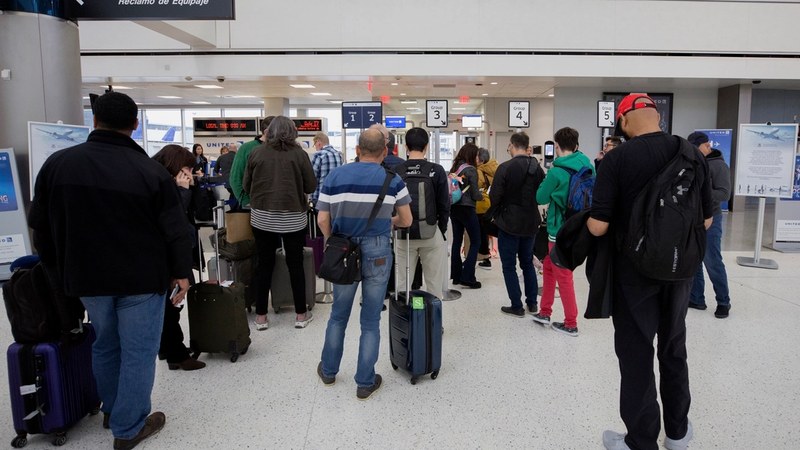
Passengers experienced significant delays, cancellations, and missed connections at O’Hare on September 17, 2026. Many faced multi-hour waits at gate counters and were required to rebook overnight due to the disrupted flight schedules. Under U.S. Department of Transportation rules, passengers affected by cancellations have the right to a full refund to their original payment method if they decline rebooking. For domestic flights, passengers also have the right to deplane after a three-hour tarmac delay unless safety exceptions apply.
Thunderstorm-related ground delays are generally classified as outside airline
control, which affects the possibility of compensation beyond standard refund policies.
Chicago O’Hare’s 1,055 delays accounted for roughly one quarter of the U.S. national total on September 17, 2026. As one of the country’s largest and most connection-dependent hubs, O’Hare’s weather challenges and operational volume create complex scheduling effects that ripple across multiple airlines and routes.