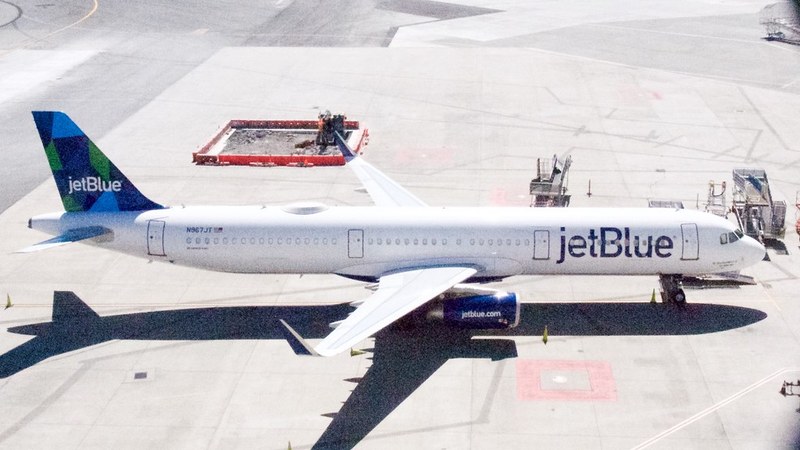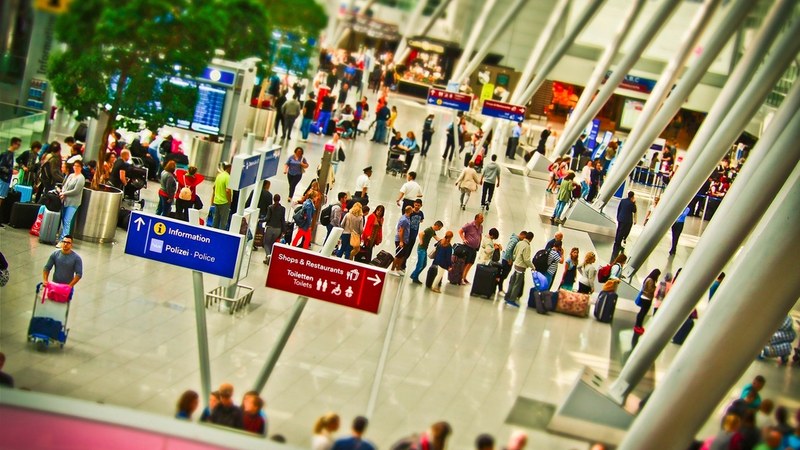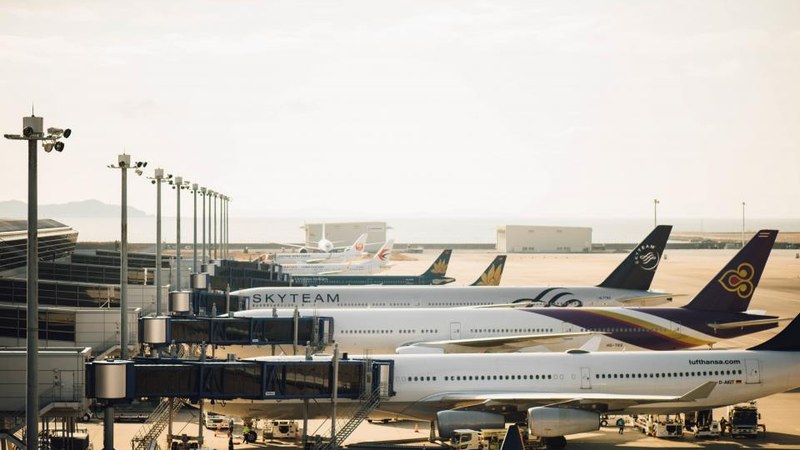
Chicago O’Hare International Airport recorded 1,055 flight delays and 175 cancellations on September 17, 2026, following an FAA ground stop imposed due to thunderstorm activity moving through the Chicago region. Ground delays averaged 126 minutes during the nearly two-hour restriction period, significantly disrupting operations at one of the nation’s busiest hubs.
Airlines Affected by the Disruptions
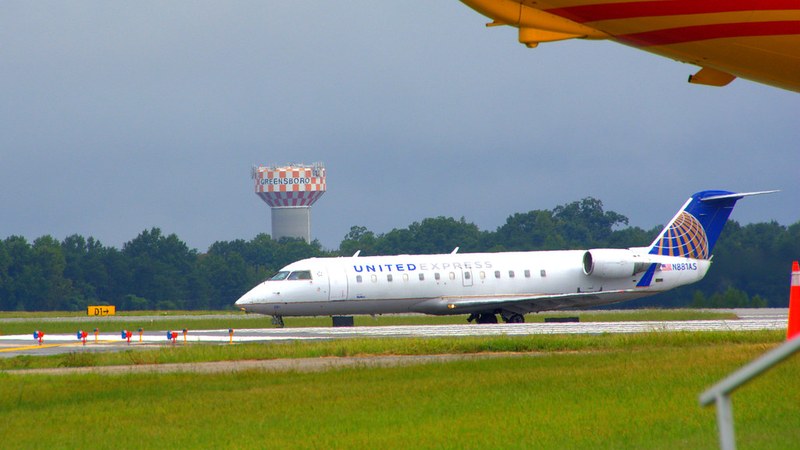
United Airlines and American Airlines, both of which maintain primary hubs at O’Hare, faced substantial operational disturbances. Southwest Airlines reported 893 delayed flights nationwide on the same day, with a significant portion linked to its Chicago-area operations. Regional carriers SkyWest, Republic Airways, and Envoy Air also experienced delays connected
to the FAA ground stop event at O’Hare.
Meteorological Factors and Air Traffic Management Challenges
The FAA instituted the ground stop to safely manage aircraft spacing around active thunderstorm cells over the Chicago area. O’Hare’s geographical location subjects it to weather systems from Canadian cold fronts, moisture influx from the Gulf of Mexico, and lake-effect instability from Lake Michigan, all of which complicate forecasting and contribute to rapid weather changes. The airport’s high volume of hourly scheduled flights means such traffic management restrictions quickly generate extensive backlogs, prolonging delays beyond the clearance of inclement weather.
Passenger Rights and Regulatory Guidance
Passengers affected by any of the 175 cancellations on September 17, 2026,
were entitled to a full refund to their original form of payment if they opted not to accept rebooking. Extended tarmac delays on domestic flights trigger Department of Transportation rules requiring airlines to allow passengers to deplane after three hours unless safety or security exceptions apply. Thunderstorm-related ground delays are generally considered outside airline control, limiting eligibility for DOT compensation tied to controllable delays. Travelers were recommended to allow extra connection time at O’Hare and favor morning departures to mitigate ongoing effects from residual delays.
Comparison with Previous Disruption Events in 2026
The September 17 disruptions at O’Hare were approximately three to four times greater in delay
volume than prior significant disruption days recorded at the airport in 2026. Earlier events included 326 delays and 18 cancellations in July and 257 delays with 7 cancellations in mid-June. The scale of the September 17 incident marked it as an outlier in the airport’s recent operational history, highlighting the compound effect of severe storm activity on an already densely scheduled airport.