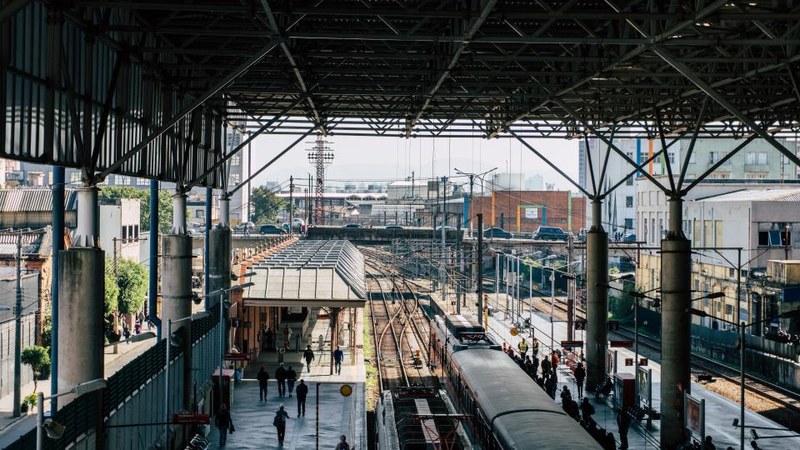
London’s Charing Cross and Waterloo East railway stations will be closed from Sunday 26 July to Sunday 16 August 2026 for a 22-day period as part of a £20 million engineering programme.
Engineering works to replace aging infrastructure
The closure facilitates essential works including replacement of nearly two kilometres of 36-year-old track. Engineers will also rebuild parts of the platform at Charing Cross, improve drainage systems, and undertake structural repairs on the Waterloo East–London Waterloo pedestrian link bridge and Hungerford Bridge. These interventions aim to maintain the railway’s reliability and safety for decades ahead.
Revised services and alternative routes
No Southeastern Railway services will call at Charing Cross or Waterloo East
stations during the closure. Southeastern trains will instead serve London Victoria, Cannon Street, Blackfriars, and London Bridge stations, all of which remain operational with modified timetables and altered service frequencies.
Specific route changes include trains to and from Hayes running via London Bridge, and trains normally between Charing Cross and Orpington or Sevenoaks starting or terminating at London Bridge. Some Charing Cross services will be diverted to London Victoria, which will see some trains calling additionally at Bromley South.
Victoria to Orpington services will decrease in frequency from every 15 minutes to every 30 minutes. Peak-time trains between Blackfriars and
Beckenham Junction will continue with revised timing, while certain peak trains to and from Cannon Street may be cancelled or retimed. Services on the Medway Valley and Sheerness branch lines will operate as usual.
Passengers holding tickets valid for Charing Cross or Waterloo East during the closure can use London’s Jubilee line between London Bridge and Waterloo, as well as the Circle and District lines connecting Victoria, Blackfriars, Cannon Street, and Embankment stations. Thameslink services between Elephant and Castle, London Bridge, and St Pancras International, plus Southern services to London Bridge and Victoria, are available as alternatives.
Passenger advice and impact on journeys
Travelers are advised
to check journey plans before traveling and to allow extra time due to revised schedules and altered service patterns. The closure period coincides with summer holidays when commuter traffic is approximately 20% lower, minimizing overall passenger disruption compared to carrying out the works over 60 separate weekends.
The last train times and timetables will differ throughout the network during this period, necessitating advance planning by passengers.
Official statements on the closure and works
Scott Brightwell, Safety, Planning and Performance Director at Southeastern Railway, acknowledged the inconvenience caused by the closure. He stated, “We know closing two of London’s busiest stations for more than three weeks will be
inconvenient for many of our customers, and we’d like to thank them for their patience while this essential work takes place.”
He added that the work is vital to replace aging track and infrastructure dating back to the 1990s and that consolidating the works into one extended closure reduces the need for weekend shutdowns over an extended period. Brightwell encouraged passengers to verify their journeys in advance and know their last trains home.