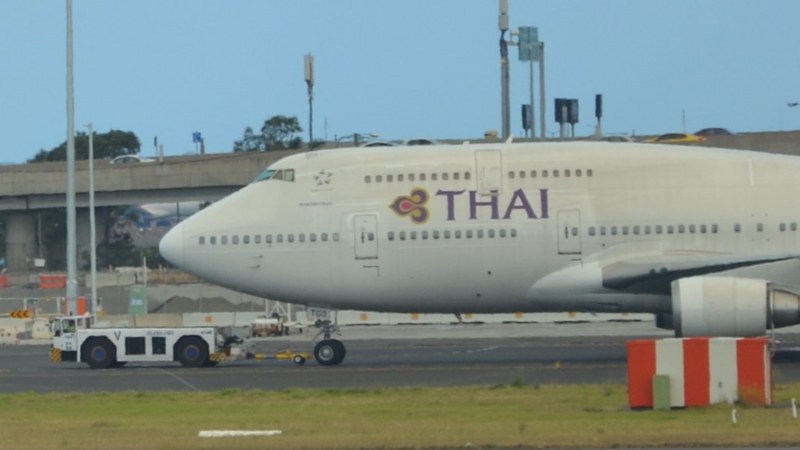
More than 10,700 flights across U.S. airspace were delayed on July 17, 2026, as smoke from over 900 active wildfires burning across Canada created hazardous air quality levels. The smoke affected the U.S. Midwest, Great Lakes, and East Coast regions, exposing over 100 million Americans in 18 states to dangerous PM2.5 levels.
Airline Waivers and Rebooking Policies
United Airlines issued a travel advisory for 17 airports including Detroit, Toronto Pearson, Buffalo, Syracuse, Rochester, and Duluth. Passengers with tickets purchased by July 16 were allowed to rebook flights between July 16 and July 20 without change fees or fare differences, provided travel remained within the same
cabin class and city pairs. Delta Air Lines issued a Midwest Air Quality Advisory covering Detroit, Minneapolis-St. Paul, Milwaukee, Green Bay, Grand Rapids, and Madison. Delta travelers could rebook flights through July 21 under similar terms. American Airlines, where 42% of flights were delayed on July 17—more than double its 2026 average—offered no-cost changes until July 18, after which unused ticket values remained applicable for future travel.
Airport Disruptions and FAA Delays
Philadelphia International Airport recorded 365 flight delays and 12 cancellations on July 16, followed by more than 200 delays on July 17 after the Federal Aviation Administration (FAA) implemented a ground delay program.
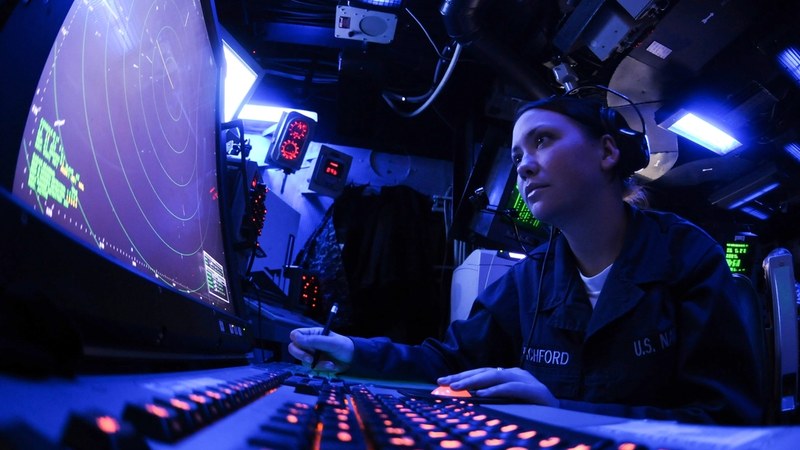
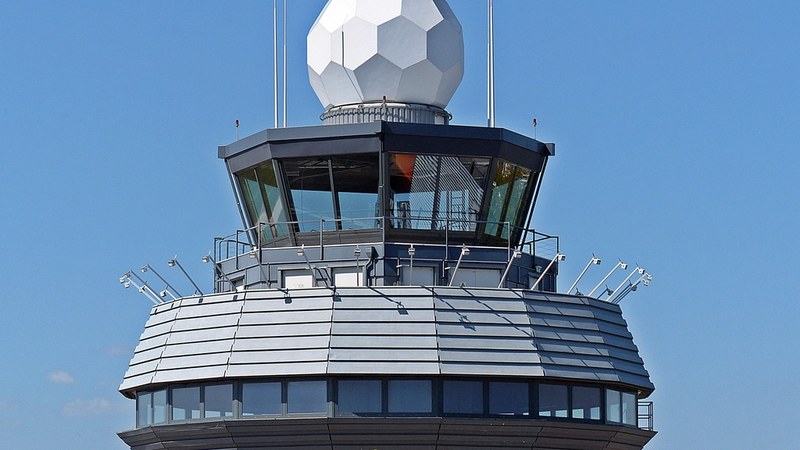
Reduced visibility from smoke limited air traffic controllers’ ability to manage flights efficiently across key hubs including Philadelphia, Chicago O’Hare, and Detroit. Travelers experienced increased connection times at multiple Great Lakes airports with ongoing operational constraints.
Air Quality and Health Advisories
As of July 19, a third wave of smoke returned to the Great Lakes, Chicago, Detroit, and Northeast, with Chicago’s Air Quality Index reaching approximately 153 at 6 a.m., ranking it the second most polluted major city worldwide at that time. Northern Minnesota reported PM2.5 concentrations exceeding 600 micrograms per cubic meter on July 16-17, surpassing the EPA’s hazardous ceiling of 500 for AQI.
Detroit set an all-time AQI record near 600 on July 16. The Environmental Protection Agency (EPA) advised the public to limit outdoor exertion at AQI levels above 150, recommending use of N95 or KN95 masks to filter harmful fine particulate matter.
Trade Tensions and Canadian Government Response
On July 17, former President Donald Trump threatened to increase tariffs on Canada to cover costs incurred by wildfire smoke, labeling Canadian fire management as “Willful Negligence.” However, legal experts note a lack of clear authority for such tariff imposition after a Supreme Court ruling in February 2026 invalidated previous tariff powers under the International Emergency Economic Powers Act.
Section 122 tariffs expire on July 24, 2026, and Section 301 actions require findings of unfair trade practices, which wildfires do not meet. The Canadian government revealed it has invested $12 billion since 2020 in forest sustainability and fire prevention. Ontario Premier Doug Ford criticized U.S. officials for blaming Canada and called for removal of U.S. softwood lumber tariffs exceeding 45% to improve bilateral cooperation.
Climate Factors and Wildfire Research Funding
Climate Central reported temperatures 25.2°F above average in Ontario on July 13, attributing the record-breaking North American heat wave as a key factor in generating the wildfires alongside drought conditions and lightning strikes. The National
Interagency Fire Center stated U.S. wildfires have burned 5,740 square miles in 2026, 31% more than the 10-year average, while Canadian fires have reached 134% of their 10-year average by mid-July. Concurrently, the Trump administration has moved to close wildfire smoke research facilities, including the Pacific Wildland Fire Sciences Lab in Seattle, which provides critical smoke forecasts used by firefighting teams and public agencies. Researcher Ernesto Alvarado warned about the impact of losing established research capabilities for understanding wildfire smoke and health effects.