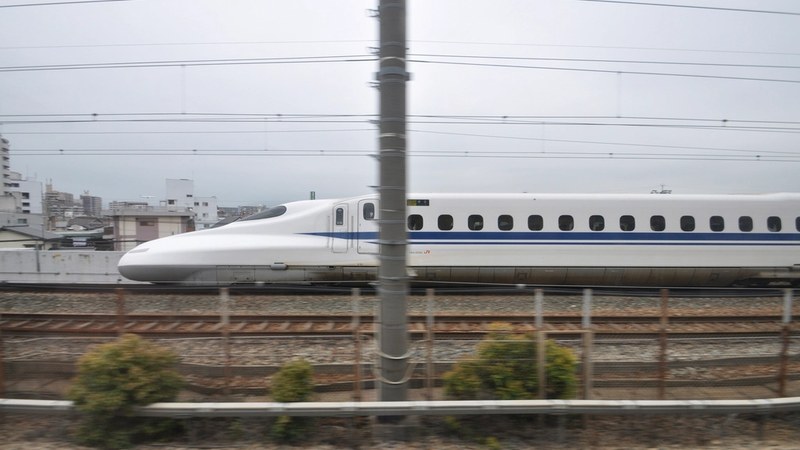
The Canadian federal government has proposed new powers to seize land to expedite the high-speed rail project connecting Toronto and Quebec City. Draft legislation announced on November 24, 2026, would allow faster land acquisition processes that could otherwise take 10 to 15 years, enabling critical property rights transfers to a private consortium building the rail line.
Project Scope and Technical Details
The 1,000-kilometre rail corridor will host 72 daily electric trains traveling at 300 km/h. It aims to reduce travel times to three hours between Toronto and Montreal and under one hour between Montreal and Ottawa. The federal government has mandated seven stops along the
route: Toronto, Peterborough, Ottawa, Laval (Quebec), Montreal, Trois-Rivières (Quebec), and Quebec City. Alto, the Crown corporation overseeing the project, is evaluating two corridor options for eastern Ontario: a direct line from Ottawa to Peterborough and a southerly path passing through Kingston.
Financial and Legal Framework
The estimated project cost ranges from $60 billion to $90 billion. The High-Speed Rail Network Act, passed earlier in 2026, already permits land expropriation without public hearings and grants the government an eight-year first right to purchase properties without an upfront payment. The new draft legislation expands these powers by allowing the government to block work on specific lots
and escalate road crossing disputes to private arbitration, which may cost farmers and municipalities up to $25,000 plus legal fees.
Stakeholder Reactions
Transport Minister Steven MacKinnon defended the new land seizure provisions, calling the approach a bespoke regime previously used in Ontario and Quebec for public transit projects. He stated, “There is no removal of due process,” emphasizing comfort with the system. Ontario Conservative MP Michael Barrett expressed residents’ worries about potential loss of homes and farmland, business disruptions, and environmental harm. Barrett highlighted arbitration costs related to dispute resolution as a concern for local farmers and municipalities. NDP Leader Avi Lewis
criticized the project’s public-private partnership model and the insufficient community consultation, stating, “You really need the social licence for big projects because any railway — it’s got to take somebody’s land. We need the most transparent and democratic process to do that. And when you’re in a P3, you just don’t get that.”
Legislative and Community Context
The expanded land seizure powers address delays that could stall land acquisition for over a decade. The High-Speed Rail Network Act streamlined this process by eliminating the need for purchase negotiations and public hearings before expropriation. However, concerns remain about the disruption to rural communities, farmland, and
local infrastructure. The train speeds of 300 km/h require dedicated electric tracks free of at-grade crossings, potentially causing road closures and detours affecting residents and emergency services.
Local and Traveler Impacts
The project promises shorter rail travel times, connecting major cities efficiently across the densely populated corridor. However, residents along the Montreal-Ottawa segment, which will cross about 1,700 properties including roughly 500 agricultural lands, face disruptions. There are worries about blocked country roadways and increased commute times due to the lack of at-grade crossings. Arbitration costs for resolving disputes add a financial burden on affected farmers and municipalities.
Role of Alto and Economic Benefits
Alto, responsible for overseeing the rail
construction, acknowledges that some expropriations are necessary but has not specified how many. The Crown corporation pledges to support local economies by employing regional workers and purchasing local materials during construction. The project aims to enhance economic growth, tourism, reduce emissions, and increase rail safety across Ontario and Quebec.