Canada has ordered 313 new passenger rail cars from Alstom under a C$4.7 billion agreement announced at Alstom’s Thunder Bay facility on September 3, 2026. The investment covers approximately C$4 billion for the Adessia railcars and nearly C$700 million for a 15-year technical support and spare parts contract, marking the first domestic build of VIA Rail’s passenger cars in 40 years.
Production across Quebec and Ontario supports Canadian jobs
Design and engineering work will occur in Saint-Bruno-de-Montarville, Québec, with carbody manufacturing at Alstom’s La Pocatière plant. Final assembly is scheduled for Thunder Bay, Ontario. Alstom projects the program will create or sustain up to 670 direct jobs in
Canada and generate an estimated C$1.6 billion contribution to Canadian GDP. The procurement aligns with Canada’s Buy Canadian Policy and will increase the use of Canadian steel and suppliers.
Routes served and car features
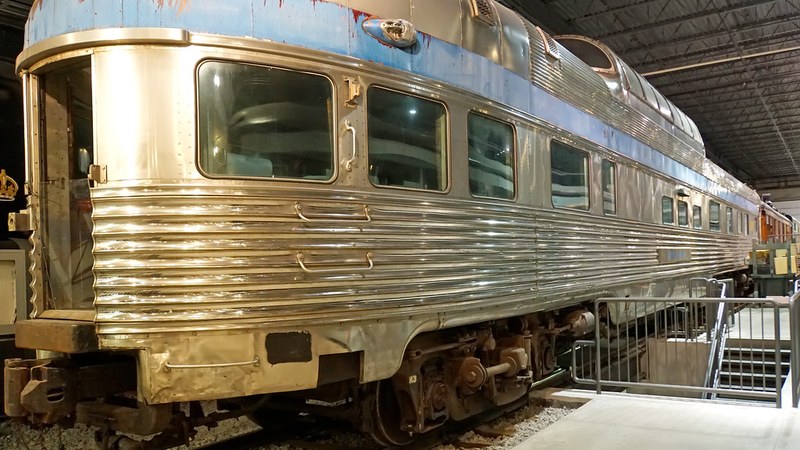
The new fleet is intended for service on eight VIA Rail routes outside the Québec City–Windsor Corridor, linking nearly 400 communities across eight provinces. These include cities such as Montréal, Halifax, Toronto, Vancouver, and remote locations like Gaspé, Churchill, and White River. The order includes nine car configurations: coach, sleeper, accessible, berth, prestige, panorama, dome, dining, and baggage. Sleeper cars are the largest category, followed by coaches. The new cars will
maintain dome cars and full-service dining while adding modern amenities, improved accessibility, digital connectivity, and cybersecurity features tailored for Canadian climate extremes.
Timeline and additional federal investments
Alstom expects to record the order in the second quarter of its 2026/27 fiscal year. Initial deliveries are planned beginning in 2031 with completion targeted by 2035. This fleet renewal replaces passenger cars over 70 years old, some as old as 77 years. Separate federal commitments include C$1.6 billion for 45 Stadler passenger locomotives and C$357 million for a new Montréal assembly and maintenance facility, bringing total federal VIA Rail funding beyond C$6.6 billion.
Official statements and union response
Mathieu Paquette, VIA Rail
Interim President and CEO, said the order “marks a defining step in shaping the future of VIA Rail’s pan-Canadian fleet,” highlighting the retention of signature features alongside modern upgrades. Minister of Transport Steven MacKinnon emphasized the investment supports Canadian jobs and domestic rail manufacturing, stating, “Canadians deserve a passenger rail system that is modern, reliable and built to serve them for generations to come.” Unifor, representing Alstom employees and VIA Rail workers, called the announcement a “tremendous victory for Canadian manufacturing” and workforce.
Background on aging fleet and manufacturing priorities
The replacement targets VIA Rail’s aging passenger railcars, some in service for over 70 years. Prior to
this order, VIA Rail’s cars had not been produced domestically for four decades. The federal procurement prioritizes Canadian manufacturing to reduce reliance on foreign production, foster economic growth, and support industrial capacity. VIA Rail’s on-time performance has declined to 35% in 2025, partly due to track ownership and infrastructure challenges.
Expected impact on service and rider experience
The new Canadian-built cars are expected to improve VIA Rail’s service reliability on long-distance and regional routes while preserving valued onboard experiences like dome cars and full dining. Interiors will be more accessible, spacious, and equipped with digital connectivity, serving travellers including many Indigenous and remote community passengers. Non-Corridor ridership
increased 8.8% in 2025, underscoring demand on the routes served by this fleet.