Australia has introduced new immigration restrictions targeting international student families and visa hopping practices as part of government efforts to reduce net overseas migration to 245,000 in the 2026/27 financial year and 225,000 in 2027/28. These measures, announced by Australian Home Affairs and Immigration Minister Tony Burke, aim to tighten the migration system and address concerns of visa overstayers and extended stays.
Student Visas and Family Member Restrictions
Between July 2025 and June 2026, Australia granted about 337,400 student visas, with approximately 46,000 allocated to dependants. The new rules largely prevent international students from bringing family members, exempting only PhD students and those sponsored by foreign
governments. Managing director of Studymove, Keri Ramirez, noted that over 70% of student dependent visas issued offshore originated from South Asian countries such as Nepal, Bangladesh, Bhutan, India, and Sri Lanka.
Compliance Measures and Visa Rule Changes
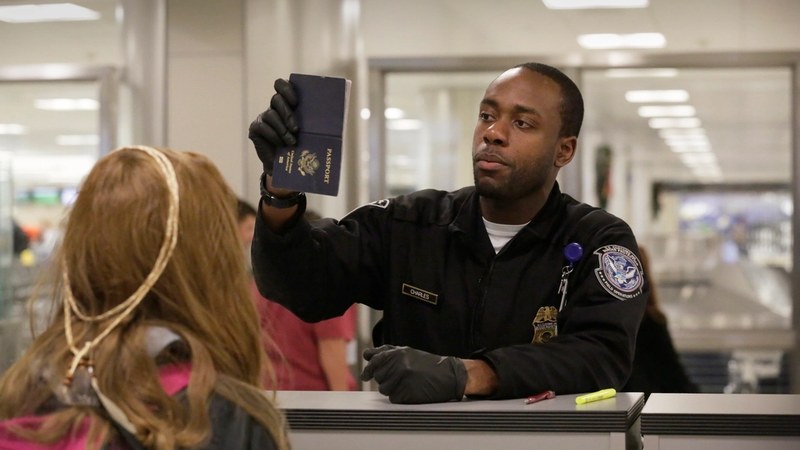
To enforce the new visa requirements, the government plans to repurpose a former Melbourne quarantine facility into a detention centre and employ 100 additional compliance officers to monitor visa adherence. A new “no further stay” condition will be implemented for all visitor visas to restrict their use to genuine short-term visits and prevent illegal overstays. Minister Burke criticized existing visa hopping practices, describing the onshore application process that allowed
indefinite bridging visa stays as a problematic double standard that will now be addressed.
Backpacker and Working Holiday Visa Updates
Backpacker visas will face changes including a ballot system for eligibility for second and third-year extensions, incorporating a regional work requirement. Working holidaymaker visa processing times, which currently vary, are expected to stabilize at around three months. Holders from the United Kingdom remain exempt from caps and regional work conditions under the existing free trade agreement. Minister Burke highlighted that a record nearly 80,000 UK working holidaymakers reside in Australia, surpassing the pre-pandemic peak of 35,000.
Industry and Advocacy Responses
The Business Chamber of Australia’s CEO, Bran Black, welcomed the
crackdown on visa hopping but expressed concerns about potential delays in skilled worker processing. Universities Australia’s CEO, Luke Sheehy, warned that restrictions on family members might deter international students, noting an 8% decline in student commencements compared to the previous year and highlighting the financial barriers posed by a $2,500 student visa charge. The Asylum Seeker Resource Centre criticized the government’s unclear stance on asylum seekers amid these policy shifts.
Minister Burke emphasized the government’s commitment to immigration while opposing visa system abuse and illegal overstays, stating, “This is not the sort of operation that some people have seen on
TV happening in other countries.” He further elaborated on visa hopping, saying, “Once they get here, and if they apply onshore, the process has been that they stay, and they’re [put] on a bridging visa. It’s a double standard that really has no logic attached to it. But the consequence of that sort of double standard has been deeply problematic.” He acknowledged that the rapid growth in working holidaymakers from the UK presents processing challenges.