The Rise of Astrotourism Among U.S. Gen Z Travelers in 2026
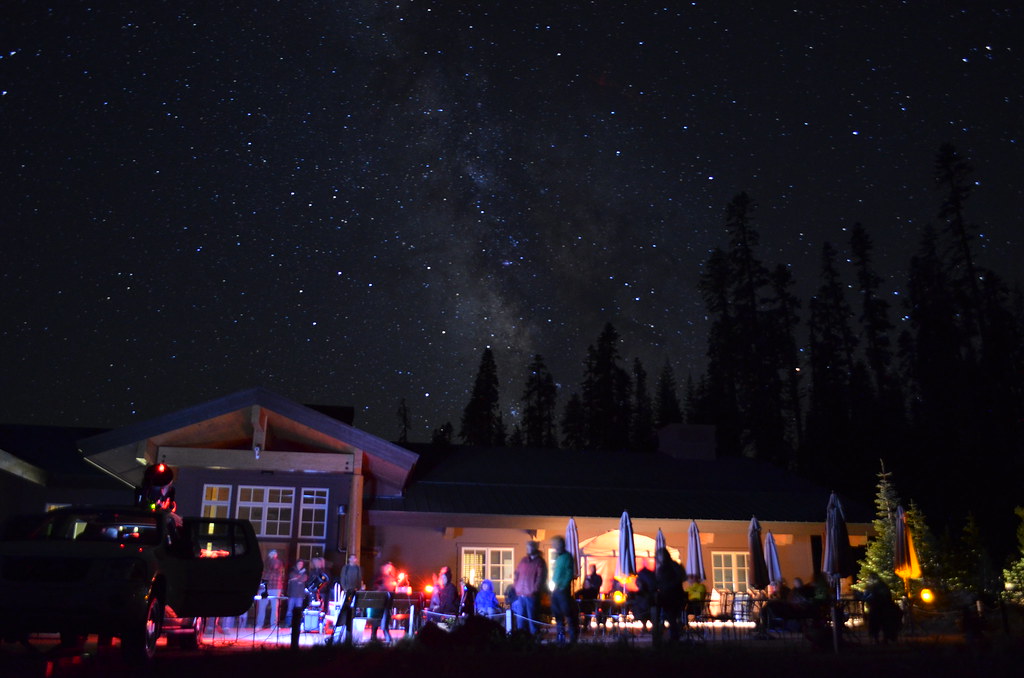
Astrotourism is emerging as a notable trend in the American travel market, particularly capturing the attention of Gen Z travelers in 2026. Defined broadly as travel experiences centered on observing stars, celestial events, and space phenomena, this niche segment of experiential travel is shaping new tourism dynamics in the U.S. As young travelers seek meaningful and educational adventures, destinations offering dark sky environments and astronomy-focused activities are becoming increasingly appealing.
Recent developments indicate that this demographic values immersive vacations tied to nature and science, leading to a surge in demand for night sky tours, stargazing events, and astronomy education programs.
These experiences enable closer engagement with the cosmos, often combining technology, guided education, and natural beauty to create lasting memories.
Experiential Travel and Its Role in Shaping Astrotourism Demand
The U.S. travel market in 2026 reflects a broader shift toward experiential travel, where the focus extends beyond traditional sightseeing to include active participation and learning. Astrotourism fits this trend neatly by encouraging visitors to explore the universe from specially designated locations such as national parks known for their dark skies.
This trend resonates with younger travelers, including Gen Z, who often prioritize authenticity and meaningful experiences over conventional tourist attractions. The increasing interest in astronomy-based tourism is a response
to this preference, offering options where travelers can learn about constellations, astrophysics, and celestial navigation in situ.
Implications for American Travelers and the Tourism Industry
For American travelers, particularly among younger cohorts, the expansion of astrotourism means broader access to vacation packages and itineraries emphasizing space and celestial discovery. This shift opens new avenues for tourism providers to develop offerings that blend recreation with education, potentially stimulating rural and less-frequented destinations endowed with optimal night sky visibility.
Tourism operators, public land agencies, and local communities have opportunities to capitalize on this interest by promoting dark sky parks, observatories, and astronomy festivals. These activities not only meet growing demand
but also support awareness and conservation of night sky environments, aligning tourism growth with sustainability goals.
The momentum around astrotourism highlights how evolving traveler preferences influence the tourism ecosystem, bringing scientific curiosity into mainstream travel culture. As the trend develops, continued collaboration among industry stakeholders can further refine experiences to satisfy Gen Z’s desire for interaction, discovery, and connection to the natural world.