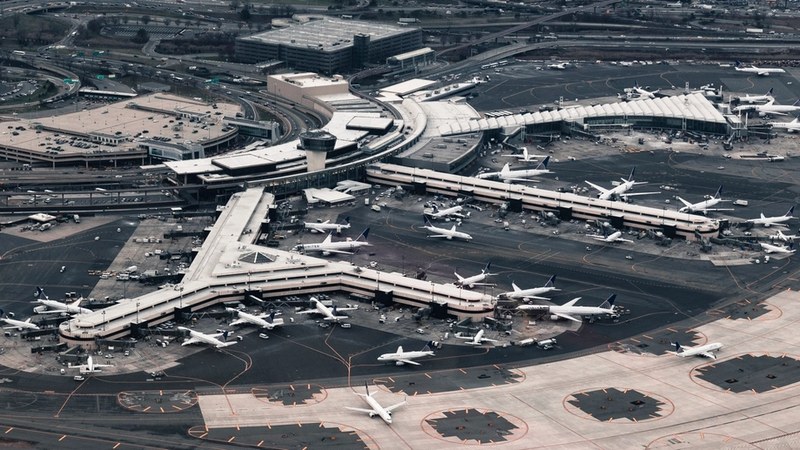
Ted Stevens Anchorage International Airport (ANC) ranked first in the United States for cargo volume and third worldwide as of 2026, according to Airports Council International World. The airport handled approximately 5 million passengers annually and recorded an 11 percent year-over-year increase in seat capacity during the first half of 2026.
Expanded Routes and Airlines Serving ANC
Alaska Airlines inaugurated three nonstop seasonal routes in 2026 from Anchorage to Boise, Boston, and Spokane. It also expanded midweek services on the seasonal routes to San Diego and Sacramento, adding Wednesday flights alongside previously scheduled Saturdays. Marilyn Romano, Alaska Airlines regional vice president for Alaska, highlighted the improved
connectivity allowing visitors and Alaskans easier access to the Lower 48 states.
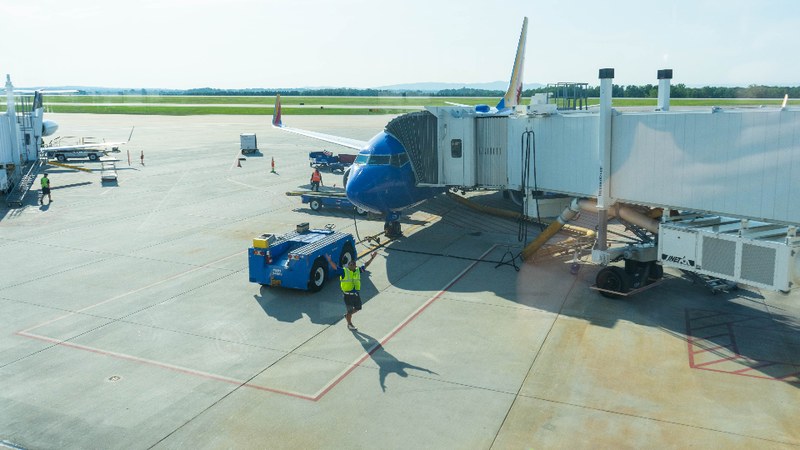
American Airlines introduced a new seasonal route connecting Anchorage and Phoenix starting May 2026, operating through September 8. Southwest Airlines commenced seasonal operations at ANC in May 2026, marking the carrier’s entry into Anchorage. Andrew Watterson, Southwest’s chief operating officer, expressed gratitude for the warm reception from state officials and the community.
Strategic Importance and Economic Impact
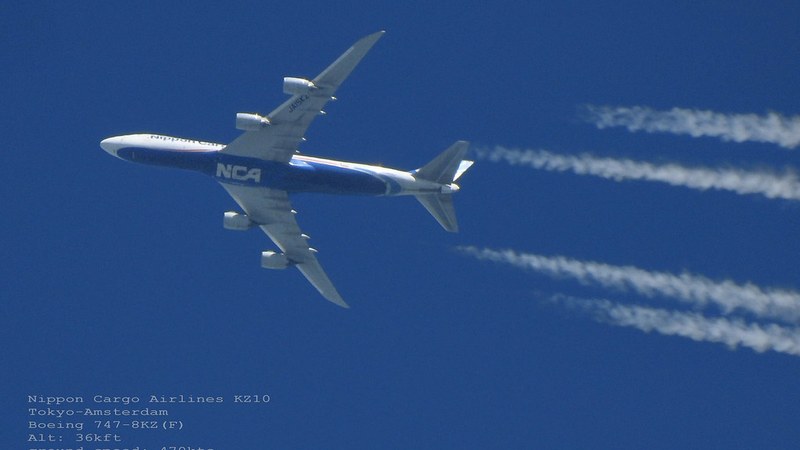
ANC’s location near the Pacific Great Circle route makes it a critical global transit hub for air cargo between Asia, Europe, and North America. Major logistics carriers such as UPS and FedEx depend on Anchorage for
refueling, crew changes, and package sorting. Angie Spear, director of the Alaska International Airport System, emphasized ANC’s ranking reflects the combined strength of tenants, airline partners, and workforce.
Ryan Anderson, commissioner of the Alaska Department of Transportation and Public Facilities, noted that Anchorage’s emergence as the nation’s leading cargo airport underscores Alaska’s essential role in global supply chains. He pointed out ongoing investments in aviation infrastructure strengthen economic opportunities statewide.
Infrastructure Developments and Master Plan
To accommodate passenger growth and increasing cargo activity, ANC approved a comprehensive twenty-year master plan in 2026. Planned projects include the expansion of terminal facilities, increased gate capacity, upgraded passenger
services, enhanced cargo infrastructure, improved parking, and modernization of critical operational systems.
A new 300-foot air traffic control tower, designed by Stantec and intended to become the tallest occupied building in Alaska, was planned. However, the Federal Aviation Administration restarted the bidding process after initial proposals exceeded the targeted budget. Bidders must now demonstrate the ability to manage projects valued at $120 million or more. The timeline for re-awarding the contract remains undetermined, delaying construction indefinitely.
Passenger Experience and Amenities
Teri Lindseth, Alaska International Airport System Development Manager, reported that ANC led all medium and large hub airports in the U.S. with an 11
percent increase in seat capacity during early 2026, reflecting strong demand between Alaska and the Lower 48.
Improvements at ANC include terminal expansions, upgraded baggage handling systems, enlarged TSA checkpoints, and enhanced passenger waiting areas. The airport is assessing parking solutions that may add hundreds of new spaces and explore options for future parking structures to meet growing demand.
ANC earned top honors in two categories of the Airport Experience Fact Book 2025 for its concessions program, which balances local and national brands to support businesses and improve traveler satisfaction. The facility provides adult changing stations, family rooms, pet relief
areas, meditation rooms, and participates in the Hidden Disabilities Sunflower program to support passengers needing additional assistance.
Angie Spear described the addition of Southwest Airlines as strengthening competition and reinforcing Anchorage’s role as a gateway for people and goods connecting Alaska with global markets.
Ryan Anderson stated that bringing Southwest to ANC reflects the success of long-term strategies to expand air service, thus enhancing connectivity, tourism, business opportunities, and economic growth across Alaska.