The Federal Aviation Administration (FAA) issued a nationwide ground stop for American Airlines flights shortly after 7 p.m. EDT on July 28, 2026, due to an information-technology outage impacting the carrier’s systems. The nationwide halt paused departures across the airline’s U.S. network while American Airlines worked to resolve the disruption.
By 8:10 p.m. EDT, the FAA’s Air Traffic Control System Command Center lifted the nationwide ground stop and American flights resumed operations. Post-stop departures included American Airlines flight AA100 from New York John F. Kennedy International Airport (JFK) to London Heathrow Airport (LHR) at 7:24 p.m. and flight AA1069 from
Pittsburgh International Airport (PIT) to Miami International Airport (MIA) at 7:47 p.m. These flights marked the initial restart in the airline’s schedule during the recovery phase.
Localized Ground Stops in Charlotte and Miami
After the nationwide restriction ended, the FAA continued two American Airlines-specific ground stops. At Charlotte Douglas International Airport (CLT), the stop covered American mainline and subsidiaries departing from all facilities. Miami International Airport (MIA) maintained a narrower ground stop affecting only American mainline flights. The FAA classified these as “Other / Carrier Request” ground stops. Whether these measures were residual effects from the IT outage or independent decisions remained unclear as of the latest
update.
Concurrent Weather-Related Restrictions in Northeast and Mid-Atlantic
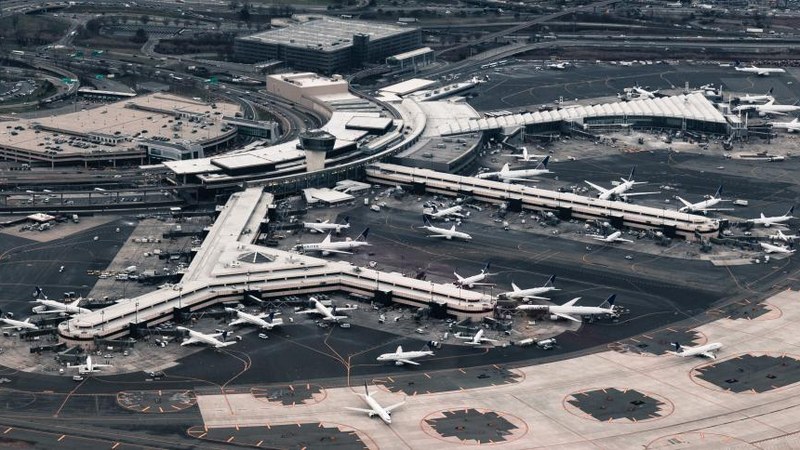
In parallel, multiple weather-related ground stops and departure delays occurred across Northeast and Mid-Atlantic airports, complicating the evening’s flight operations. Thunderstorm-related restrictions affected Boston Logan International Airport (BOS), Newark Liberty International Airport (EWR), and Philadelphia International Airport (PHL). Ground stops or departure delays were also active at Baltimore/Washington International Airport (BWI), Ronald Reagan Washington National Airport (DCA), JFK, New York LaGuardia Airport (LGA), and surrounding general aviation airports.
Ongoing Passenger Impact and Recovery
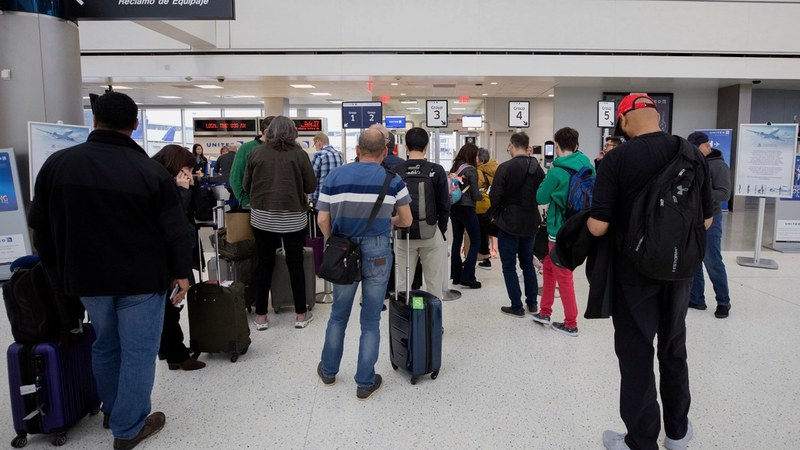
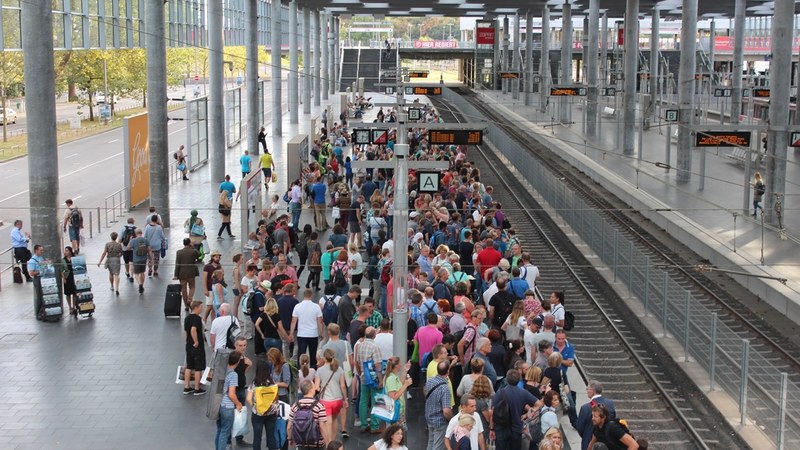
Flights held during the ground stop faced delays clearing departure queues after the resumption. Arriving aircraft required gate availability, and connections for crews and passengers experienced disruptions. Travelers passing through Charlotte,
Miami, and weather-affected Northeast airports could have faced residual delays. American Airlines advised that systems were coming back online and flights were departing again following the temporary stop.
American Airlines issued a statement saying, “A technology issue briefly impacted connectivity for some of our systems on Tuesday evening. Systems are coming back online now and flights are departing again. We put a temporary ground stop in place while our teams worked to resolve the issue. We apologize to our customers for the inconvenience.” The airline confirmed its teams were working as quickly as possible to restore full operations.
FAA Ground Stop Procedures and Past Incidents
Ground stops,
issued by the FAA’s Air Traffic Control System Command Center, are traffic management tools used to pause departures at selected airports temporarily to prevent overloading the air traffic system. They do not affect airborne flights and differ from airworthiness groundings. The July 2026 incident followed a similar American Airlines nationwide technical disruption on December 24, 2024, which was brief and resolved after system restoration. No connection has been established between the two events.
The specific American Airlines system affected, the cause of the IT failure, or any involvement of vendors or cybersecurity issues remain undisclosed. Unconfirmed claims linking the outage
to external parties have not been verified.