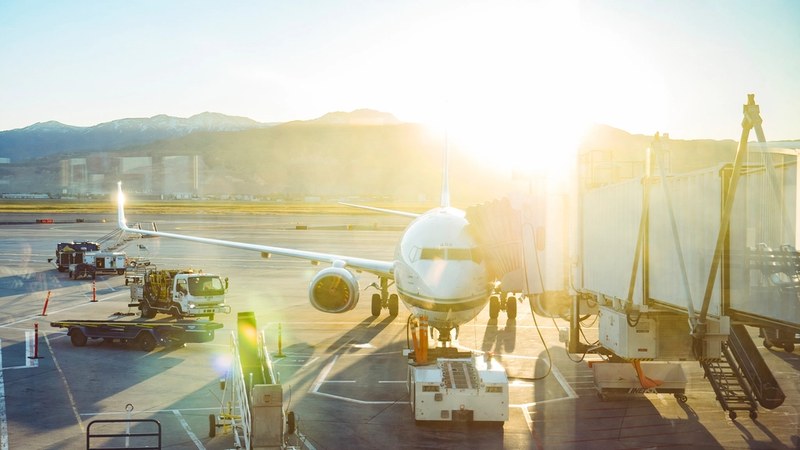
American Airlines and its regional affiliates halted all departures across the United States on the evening of July 29, 2026, after an internal IT connectivity failure disrupted multiple critical operational systems. The Federal Aviation Administration (FAA) Air Traffic Control System Command Center issued a nationwide ground stop for American Airlines flights at approximately 6:30 p.m. Eastern Time. The ground stop lasted less than an hour before being lifted, allowing the airline to resume departures.
Flight Delays and Cancellations Impacting Over 30% of Schedule
Flight tracking data from FlightAware revealed approximately 1,100 American Airlines flights were delayed on July 29, representing about 30 percent of the airline’s scheduled departures that
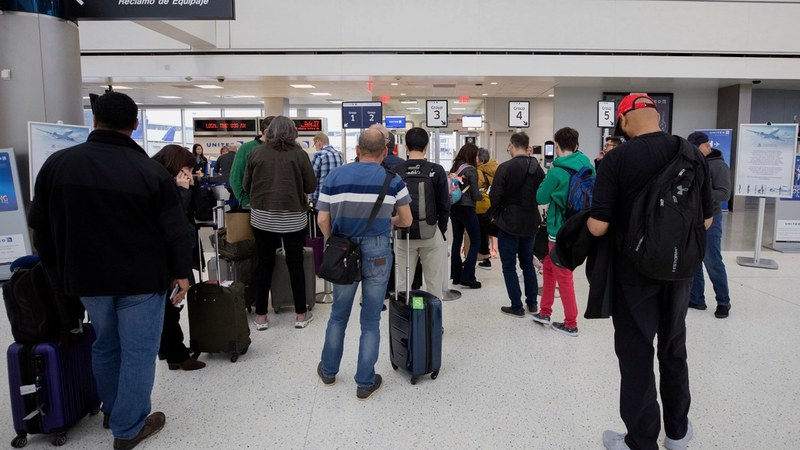
day. Additionally, more than 200 American Airlines flights, accounting for roughly 6 percent of flights, were cancelled outright due to the IT outage and resulting ground stop. These disruptions left thousands of passengers temporarily grounded during the evening hours.
Major U.S. Hub Airports Faced Operating Disruptions
The service outages and FAA ground stop affected a broad swath of American Airlines’ major airport hubs. Airports including Charlotte Douglas International Airport (North Carolina), Dallas Fort Worth International Airport, Chicago O’Hare International Airport, Los Angeles International Airport, Fort Lauderdale–Hollywood International Airport, Louis Armstrong New Orleans International Airport, Nashville International Airport, Ronald Reagan Washington National Airport, and Phoenix Sky Harbor International
Airport all experienced delays and cancellations tied to the issue. In particular, Charlotte Douglas International Airport was directly named in FAA advisory communications during the outage.
Technical Failure Disrupted Core Airline Systems Linked to Regulatory Compliance
American Airlines identified the cause as an internal technology failure that temporarily severed connectivity between pivotal operational platforms, including reservation, scheduling, dispatch, and crew management systems. Federal regulations mandate access to crew legality data and other operational information before flights can legally depart. Consequently, despite aircraft being fuelled and ready, the loss of critical data disrupted departure clearance. The airline’s IT and operations teams restored full system connectivity promptly, allowing flights to resume once
the FAA lifted the ground stop.
Official Statements and Expert Insight on Airline IT Risks
An American Airlines spokesperson said, “A technology issue briefly impacted connectivity for some of our systems on Tuesday evening. Connectivity has been fully restored. We apologize to our customers for the inconvenience.” The spokesperson also expressed appreciation for the rapid response of airline staff to restore operations, stating, “We appreciate the efforts of our team to bring our systems back online so quickly and take care of our customers.” Eric Napoli, Chief Legal Officer at AirHelp, remarked on the complexity of airline technology dependencies: “IT issues aren’t unusual in the airline industry because airlines
rely on highly complex technology systems to manage nearly every part of the travel experience. From flight scheduling and crew coordination to passenger communications and booking systems. When one of these systems experiences an issue, the impact can quickly spread across an airline’s network and create delays or cancellations.”
Such IT failures have precedent, including a March 2026 software update that triggered operational outages across major North American airlines and a 2023 FAA database malfunction that grounded domestic flights nationwide.
Alongside the American Airlines outage, severe thunderstorms swept the East Coast on the same evening, contributing to additional flight delays
and ground stops at multiple airports, compounding travel disruptions independently of the IT issues.
Flights already airborne at the time of the outage remained unaffected. Once connectivity was fully restored, American Airlines resumed normal departure operations nationwide.