American Airlines passengers connecting through Chicago O’Hare International Airport and Dallas Fort Worth International Airport faced multiple delays and cancellations on August 17, 2026. Operations were disrupted by airspace restrictions from the Chicago Air and Water Show over Lake Michigan and severe thunderstorms across North Texas.
Chicago Air and Water Show Restricts Airspace
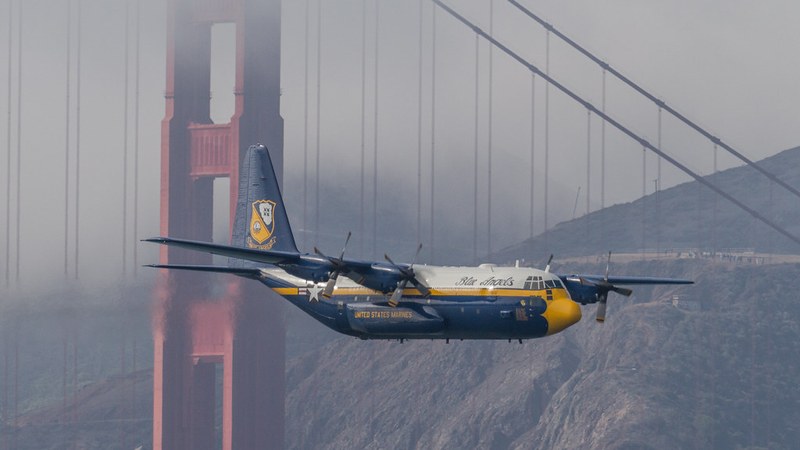
The Chicago Air and Water Show led to the reservation of a designated restricted airspace “box” over Lake Michigan to accommodate aerobatic and military demonstrations. The Federal Aviation Administration coordinated with air traffic controllers to enforce this restriction, reducing airspace availability and causing reroutings and flow restrictions affecting commercial flights arriving and departing Chicago
O’Hare.
Impact on Chicago O’Hare Operations
Chicago O’Hare handles tens of thousands of aircraft movements each month, operating near full capacity during summer peak periods. The temporary airspace limitations during the air show reduced arrival and departure flexibility. This resulted in gate holds and ground delays that affected American Airlines flights scheduled on banked connection banks through the airport.
Ground congestion was compounded by ongoing construction around the terminals and heavier traffic on airport access roads, which increased wait times for passengers and raised the risk of missed flights linked to airspace restrictions and weather conditions.
Thunderstorm Disruptions at Dallas Fort Worth
Dallas Fort Worth International Airport, American Airlines’ largest hub
and main connecting complex, experienced multiple ground stops and flow restrictions caused by thunderstorms moving across North Texas on August 17, 2026. These storms brought lightning and low clouds that prompted FAA-issued ground holds and limited runway availability.
The airport’s dense schedule of domestic and international flights, structured around tight connection banks, was sensitive to reduced arrival capacity. The storms led to rolling delays, diversions of inbound flights to alternate airports, and last-minute cancellations.
Network-Wide Effects and Passenger Resources
The simultaneous operational constraints at Chicago O’Hare and Dallas Fort Worth caused cascading disruptions throughout American Airlines’ network. Delays at early morning flights into these hubs
triggered missed connections, retimed flights, and aircraft substitutions affecting multiple time zones and routes connecting across the United States, Latin America, and the Pacific.
American Airlines has expanded self-service options available via its app and website, enabling passengers to rebook flights and access vouchers during irregular operations.
With the Chicago Air and Water Show scheduled around the weekend and the summer thunderstorm season active in North Texas, travel volatility remains high. Delays tend to peak in the afternoon and evening during overlapping weather patterns and busiest connection periods.