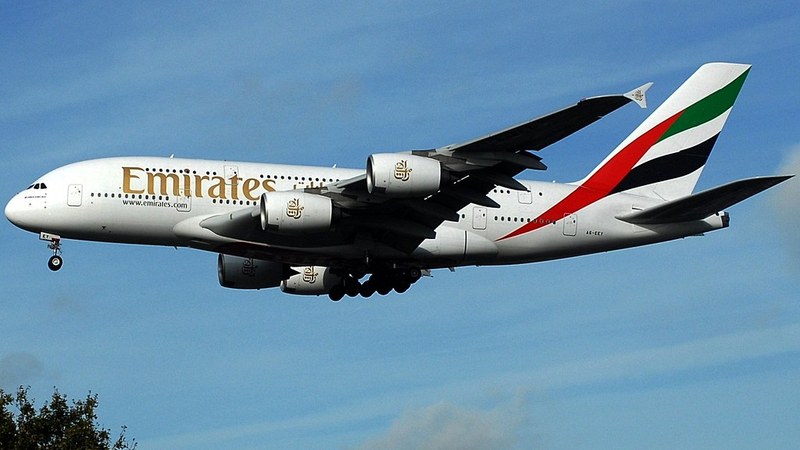
More than 120 passengers and crew on Alaska Airlines Flight 322 from Dallas/Fort Worth to Seattle-Tacoma were diverted to Yakima Air Terminal on November 11, 2026. The Boeing 737-900ER aborted its approach to Seattle due to severe wind storms and landed at Yakima at approximately 9:25 pm. After landing, a mechanical fault involving a fuel indicator grounded the aircraft overnight.
Passenger Conditions at Yakima
With local hotels and rental car agencies closed late on a Saturday night in central Washington, stranded passengers had no immediate lodging or transportation options. Alaska Airlines did not provide hotel accommodations, classifying the diversion as weather-related under federal guidelines
that exempt airlines from mandatory hotel provisions in such cases. Airport management faced with over 130 stranded travellers, including crew, sought external assistance to address basic needs.
Emergency Response Activation
The Yakima County Office of Emergency Management, led by Director Tony Miller, coordinated with the American Red Cross to supply emergency cots, blankets, infant formula, and drinking water at the terminal. Horizon Air, Alaska Airlines’ regional affiliate, arranged emergency meals for all onboard. Local volunteers and emergency personnel remained onsite through the night to support elderly passengers and families with young children.
Aircraft Maintenance and Departure
A specialist maintenance team from Seattle-Tacoma International Airport arrived early on
November 12, 2026, to inspect and certify the aircraft’s fuel indicator. The inspection cleared the Boeing 737-900ER for service shortly before midday. Flight 322 pushed back from Yakima at 2:02 pm, departing after a total delay of around 16 hours and continuing to Seattle-Tacoma.
Official Statements and Industry Context
Christopher Hopkins, Yakima Air Terminal Director, said, “We realised quickly that with over 130 people stranded and local hotels completely inaccessible at that hour, we needed immediate emergency intervention to maintain basic comfort and safety.” A senior aviation passenger rights advocate added, “The prompt mobilisation of community resources by county emergency managers and the Red Cross
prevented a difficult weather diversion from escalating into a severe humanitarian breakdown.” The incident has prompted renewed debate regarding airline accountability and the capacity of regional airports to handle unexpected operational disruptions.