Introduction to AI-Driven Border Technologies in Europe
Travelers from the United States heading to Europe this summer may experience notable changes in border control processes due to the introduction of AI-powered systems at several European entry points. As governments across the continent adopt emerging technologies to enhance border security, these implementations are anticipated to alter the passenger processing experience for international arrivals.
These AI border systems, designed to automate and expedite identity verification and traveler screening, represent a significant shift from traditional manual procedures. While aiming to improve security and efficiency, the rollout is causing concern about potential disruptions, especially during the peak 2026 summer travel window
when millions of tourists cross transatlantic routes.
Potential Travel Disruptions for U.S. Visitors
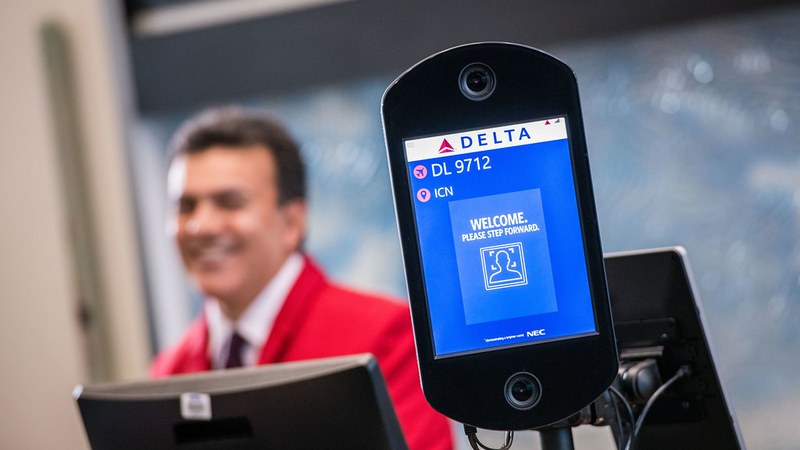
The arrival of AI technologies at European border checkpoints is widely expected to impact wait times and alter the flow of travelers entering the continent. U.S. tourists may face lengthier queues as new screening protocols are tested and refined. The increased processing times stem from more comprehensive identity verification processes that leverage facial recognition and machine learning algorithms.
Importantly, these delays could be more pronounced at major international airports and land border crossings frequently used by transatlantic passengers. Although specific details regarding exact hold-ups or points of implementation have not been fully disclosed
by authorities, the summer season increase in passenger volume adds pressure on border infrastructures, amplifying the potential for disruptions.
Understanding the Border Technology Impact on International Travel
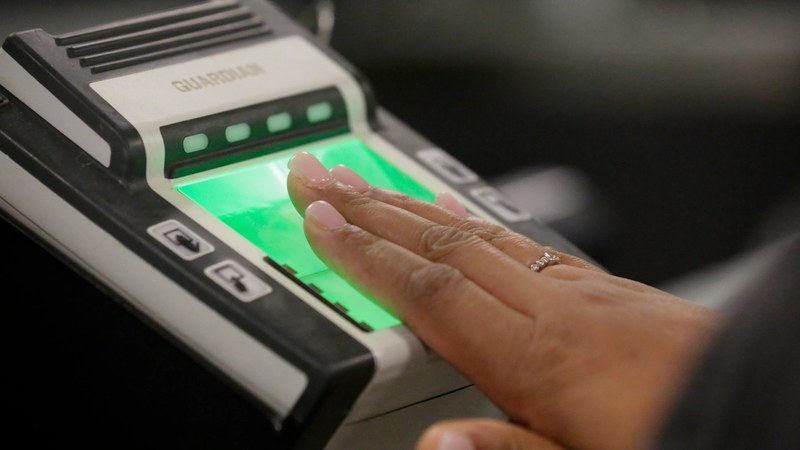
The deployment of AI systems at borders reflects a broader trend of integrating technology within travel security frameworks. These systems utilize biometric matching, automated document checks, and behavioral analytics to detect fraudulent activities and improve overall border security.
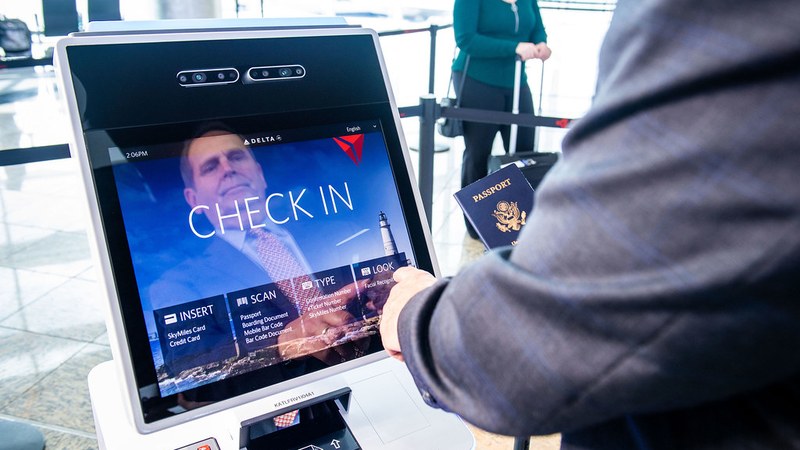
For U.S. travelers, this transition means adapting to new procedures that could include automated kiosks or digital identity verification prior to human officer interaction. The border technology impact extends beyond security implications, influencing traveler experience and operational logistics at airports and other points
of entry.
While the objective is to streamline passenger flow eventually, early phases of implementation traditionally introduce teething issues such as system glitches or user unfamiliarity, which can contribute to slower processing and increased wait times.
Practical Preparations for Travelers Ahead of the Summer Season
Those planning U.S. travel to Europe for summer 2026 should consider several preparatory steps to mitigate potential disruptions linked to new AI border systems. Staying informed about airline and airport updates can provide timely alerts regarding changes to check-in or security procedures.
Ensuring all travel documents are accurate, up to date, and readily accessible is crucial given the enhanced scrutiny AI systems apply. Travelers
might also benefit from arriving at airports earlier than usual to accommodate any additional processing time at border control.
Familiarity with digital health certifications or biometric travel programs in use at specific European border points may also ease passage. Registered traveler programs or pre-clearance initiatives could help reduce wait times for those who participate.
A flexible travel itinerary that allows for slight delays in processing times could prevent undue stress during arrival. Travelers should verify visa requirements and electronic travel authorizations well in advance to avoid last-minute complications related to automated screening.
Ultimately, while AI border systems hold promise for
enhanced security and future efficiency, initial adoption phases necessitate patience and proactive planning for international visitors.
As the summer travel season approaches, these developments underscore the evolving intersection of technology and mobility, highlighting the importance of vigilance and adaptability for those crossing transatlantic routes.