Emerging AI Border Control Systems in Europe
Europe is progressively introducing artificial intelligence (AI) powered border control systems as part of broader efforts to streamline immigration and enhance security. These new systems are designed to operate at various entry points including airports, land borders, and seaports, aiming to modernize and expedite traveler processing. While promising efficiency gains in the longer term, the initial deployment phase in 2026 is creating concerns over operational teething problems and travel disruptions.
Implications for U.S. Travelers Visiting Europe
For U.S. travelers planning trips to Europe during the summer season, these AI border control innovations may lead to notable changes in their entry experience. There is a prospect of
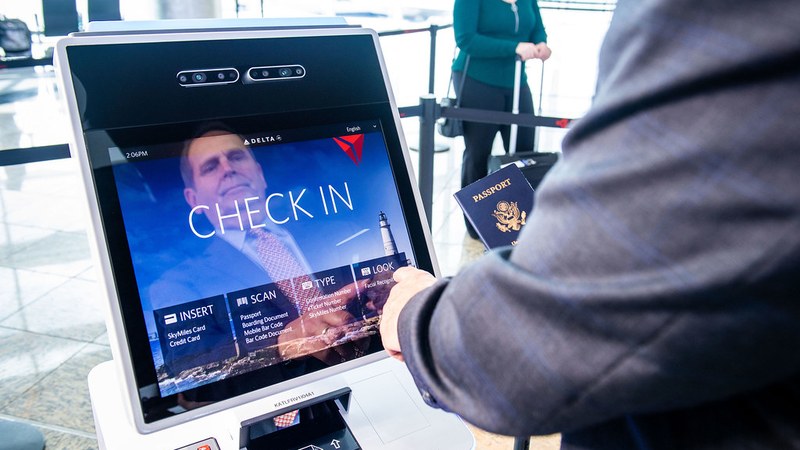
longer processing times during clearance as the new technology integrates with existing workflows and customs protocols. Travelers accustomed to streamlined immigration checks might encounter differences in procedures or new document scanning requirements.
Context of Increased Summer Travel Demand
Summer remains a peak period for travel between the U.S. and Europe, with tourism volumes typically rising sharply. This seasonal uptick adds pressure on border infrastructure, making the rollout of AI systems particularly sensitive to delays or congestion. Airport authorities and border agencies may need to balance the introduction of new systems with maintaining smooth throughput to accommodate large traveler numbers.
Potential Sources of Travel Delays
The integration of AI border control technology
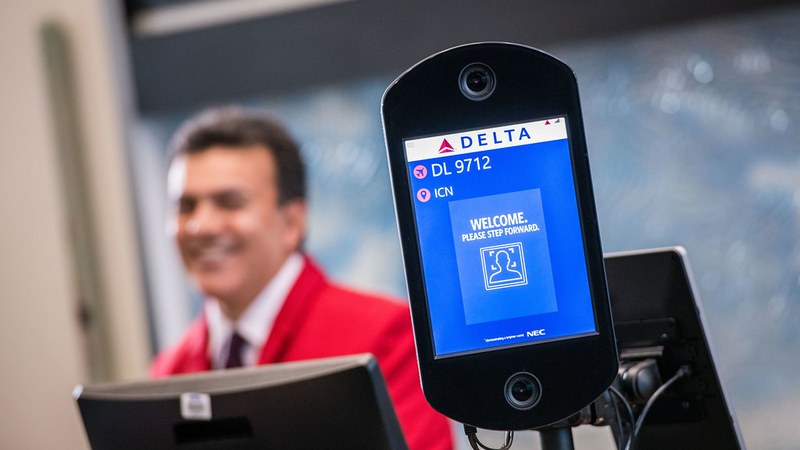
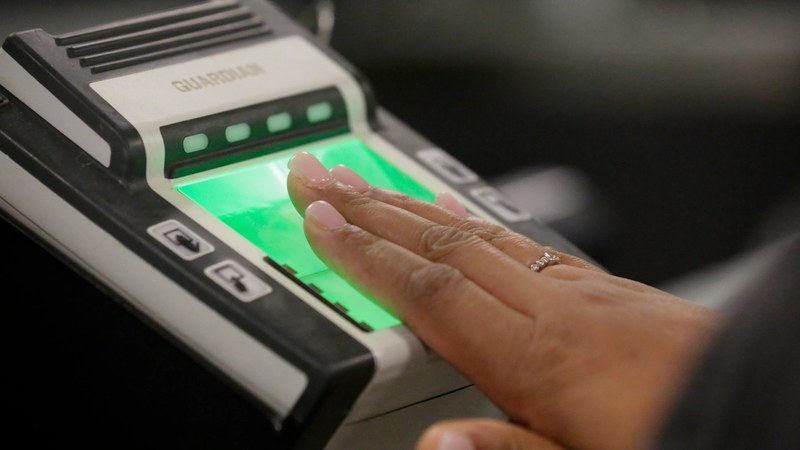
involves biometric identification, automated document verification, and risk analysis algorithms. Operational delays could arise from hardware teething issues, software calibration, and staff adapting to new procedures. While the technology aims to reduce manual steps, the transition phase could require more time per traveler as systems stabilize.
Wider Security and Operational Context
The AI border systems are part of a continent-wide initiative to enhance border management amid evolving security threats and migration patterns. They support risk-based assessments, which in theory allow for faster processing of low-risk travelers, including many tourists. However, transitional challenges mean that even routine traveler categories could face unexpected holdups.
Strategies for U.S. Travelers to Mitigate Impact
Advance planning becomes
essential for those traveling to Europe this summer. Allowing extra time at arrival points, preparing travel documents meticulously, and staying informed through airline and border authority updates can help reduce stress. Utilizing fast-track or trusted traveler programs where available may also ease passage through the borders.
Maintaining Flexibility in Travel Plans
Given the unpredictability associated with new technology rollouts, flexibility with connecting flights and transfers at European hubs is advisable. Travelers are encouraged to consider travel insurance options that accommodate unforeseen travel delays.
Looking Ahead: Evolution of European Border Controls
While initial disruptions are anticipated, the long-term goal of AI border systems is to enhance traveler experiences through improved accuracy and speed.
As the systems are refined through upcoming months, authorities expect gradual reduction in processing times, benefiting both visitors and border security efforts. Continuous collaboration between technology providers, border agencies, and the travel sector will be critical.
In summary, U.S. travelers should prepare for possible operational changes and delays upon entry to Europe in summer 2026 due to the introduction of AI-powered border controls. Awareness and proactive planning remain key as this technological transition unfolds.