Africa Travel Indaba 2026: A Key Catalyst for the African Tourism Industry
Africa’s Travel Indaba 2026, held in Durban, remains a pivotal event within the continent’s tourism calendar. This trade show routinely attracts global tourism professionals aiming to explore new business connections and showcase Africa’s diverse travel offerings. While exact attendance and economic impact figures for the 2026 event are not publicly detailed, it is widely acknowledged as a significant driver of tourism promotion across the region.
The event’s influence extends beyond mere exhibitions; it functions as a platform to elevate Pan-African tourism integration, reinforcing Durban’s role as a crucial hub within this expanding sector.
Durban: Emerging as a Tourism Growth Hub
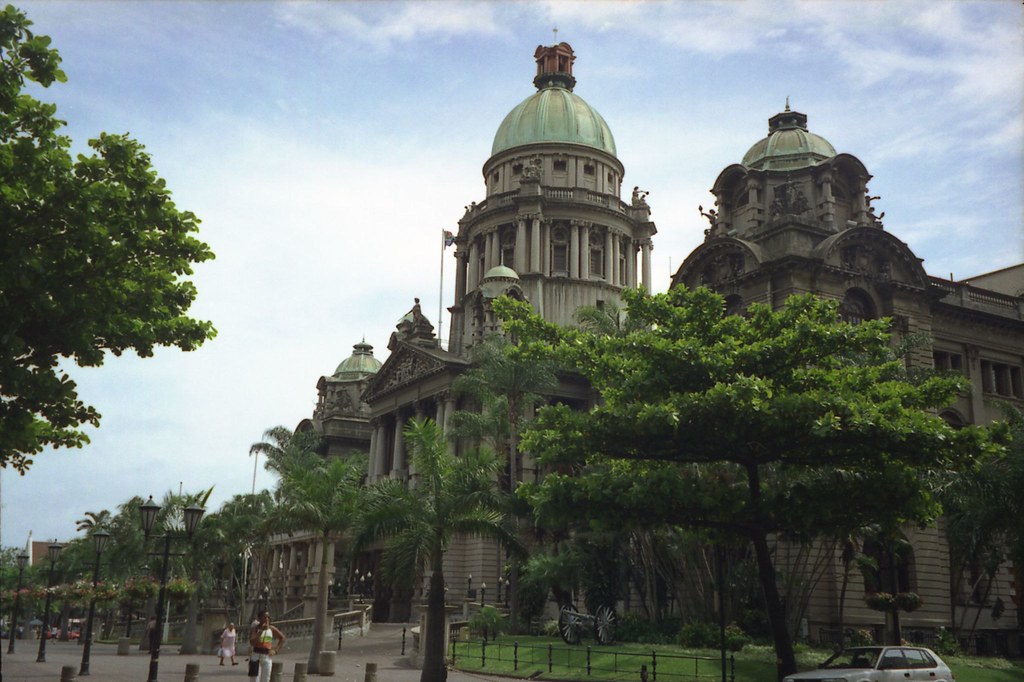
Durban’s hosting of the 2026 edition of
Africa Travel Indaba highlights the city’s growing importance in the regional tourism landscape. Durban’s infrastructure and strategic location along the Indian Ocean coast support increased visitor numbers and facilitate connections to other parts of Africa.
Beyond facilitating trade, the event brings tangible economic benefits to the city and the broader KwaZulu-Natal province. Local businesses, hotels, and service providers often experience heightened activity during and after the event, contributing to Durban’s ongoing tourism growth trajectory.
Strengthening Pan-African Tourism Markets
The broader context of Africa Travel Indaba centers on enhancing connections between African destinations, fostering a Pan-African tourism approach. This collaboration promotes a diversified tourism product
that appeals not only to intra-African travelers but also international markets.
For travel trade professionals, the event serves as a vital networking and deal-making opportunity – especially for those aiming to bundle multi-destination packages crossing borders within Africa, thereby enriching traveler experiences and extending visitor stays.
Fostering Sustainable Tourism and Innovation
Within the trade discussions, there is an increasing emphasis on sustainable tourism practices and innovative solutions to meet evolving traveler demands. Events like Africa Travel Indaba help spotlight best practices and pioneers in eco-tourism, digital marketing, and inclusive tourism development across African destinations.
Implications for the U.S. Travel Trade Sector
U.S.-based tour operators and travel agents paying attention to Africa Travel
Indaba 2026 may find new avenues for growth. As African tourism infrastructure and business partnerships expand, these operators can explore fresh opportunities to design and market authentic, well-supported Africa-bound travel experiences to American travelers.
This evolving landscape means U.S. travel professionals can anticipate a richer portfolio of destinations, cultural experiences, and itinerary options. These developments can potentially influence product offerings and partnerships once the benefits from the trade event ripple through the market.
Emerging Travel Trends Affecting American Tourists
While the specifics of offers and partnerships stemming directly from the Indaba are not publicly available, the broader momentum toward integrated Pan-African tourism suggests improving ease of
travel across multiple countries within the continent. This can translate to more seamless travel itineraries for U.S. tourists interested in exploring Africa’s diverse landscapes and cultures.
Moreover, increased focus on Durban as a gateway city signals potential growth in direct flight options and better tourism services, which may benefit Americans planning multi-destination African holidays.
Durban Tourism in a Competitive Global Market
Durban’s rise in tourism is happening amidst a competitive global market, where destinations continuously develop unique value propositions. Events such as Africa Travel Indaba contribute to positioning Durban not only as a conference venue but as a desirable tourist destination with beaches, cultural attractions, and urban
experiences.
This contextual growth strengthens Durban’s tourism economy, encouraging further investments that subsequently create a positive cycle attracting more international visitors, including from the United States.