Canada will terminate its Remote Area Border Crossing (RABC) program at 11:59 p.m. on November 30, 2026. The program allowed roughly 11,000 eligible American and Canadian citizens and permanent residents annually to cross the border through remote areas without encountering staffed border officials. Permits cost C$30 and covered the holder plus qualifying family members. The Canada Border Services Agency (CBSA) has ceased accepting new applications, and existing permits will no longer be valid after the November deadline.
New Reporting Requirements and Locations
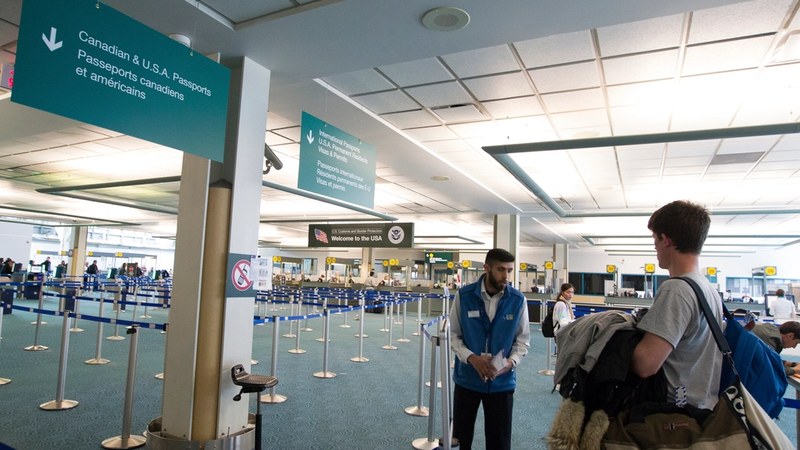
Starting December 1, 2026, travelers entering Canada via previously eligible remote crossings must report their arrival either by telephone or in person at
designated ports of entry. The CBSA has established 17 operational telephone reporting sites at locations including marinas, government docks, fishing resorts, and boat launches. These sites cover affected border areas such as Minnesota’s Northwest Angle, the stretch from Pigeon River to Lake of the Woods, the Canadian shore of Lake Superior, Sault Ste. Marie’s upper lock system, and Cockburn Island. Additional sites will be introduced following consultations with local and Indigenous communities.
Traveler Reporting Obligations and Penalties
Under the new rules, travelers must provide detailed information about their visit, including the vehicle or boat used, companions, and any goods being brought into Canada, including those
exempt from duties or taxes. Failure to report arrival can lead to significant penalties including a minimum fine of C$1,000, seizure of goods or vehicles, detention, and possible criminal charges under Canada’s Customs Act. Telephone reporting does not guarantee entry; border officers are authorized to request further in-person inspections before permitting passage.
Background and Impact of Changes
The RABC program enabled direct entry through remote border points without passing staffed crossings. Its cancellation aims to enhance border security and align Canadian border procedures with those of the U.S. Customs and Border Protection. The change primarily affects American travelers who frequently visit remote fishing resorts, vacation
properties, and communities along the affected border zones. The CBSA previously extended existing permit validity to November 30, 2026, allowing travelers more time to adjust to the updated requirements.
Exemptions and CBSA Advisories
Travelers using staffed conventional border crossings will not experience changes due to the end of the RABC program. The CBSA advises visitors to verify where and when to report before crossing and to review operating hours of telephone reporting sites to ensure compliance with the new rules. Further information is available on the CBSA website regarding the termination of the permit program and alternative reporting protocols.