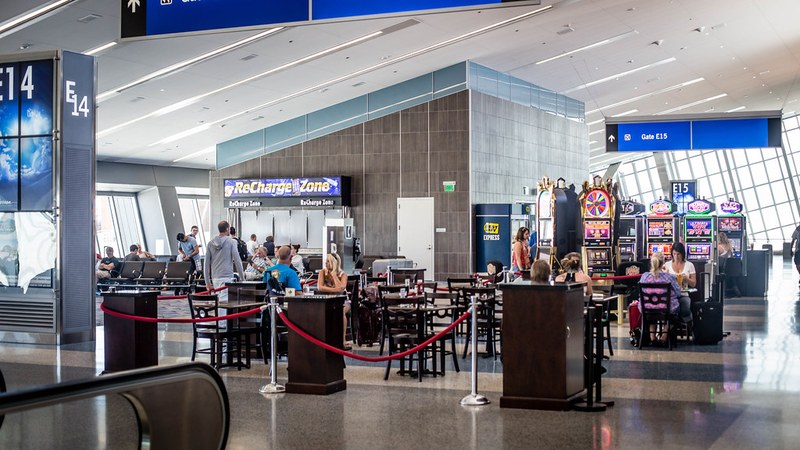
A significant storm on Thanksgiving Day, November 26, 2026, caused extensive travel disruptions across the US East Coast, leading to more than 820 flight cancellations and approximately 500 delays nationwide by 8:30 a.m. ET.
Baltimore/Washington International Thurgood Marshall Airport experienced the highest impact, with over 25% of the day’s scheduled flights canceled. Washington DC’s Ronald Reagan Washington National Airport reported about 8% cancellations, while New York’s LaGuardia and John F. Kennedy International Airports each saw approximately 7% of flights cancelled.
The Federal Aviation Administration (FAA) issued warnings for flight delays and ground stops that commenced after 9 a.m. ET at
major airports in New York, Washington DC, Philadelphia, and Baltimore. These measures, designed to manage traffic amid severe weather, forced aircraft to circle in holding patterns and remain grounded before takeoff or landing.
On the ground, the Delaware River Port Authority closed the Commodore Barry Bridge connecting Pennsylvania and New Jersey in both directions due to strong winds dislodging equipment involved in a repainting project. The closure remains indefinite as repair crews work to ensure motorist safety. The DRPA stated, “Crews are working as quickly and safely as possible.”
Coastal flooding risks escalated along the Mid-Atlantic as storm-driven strong winds
pushed ocean water shoreward coinciding with unusually high king tides. The National Oceanic and Atmospheric Administration (NOAA) reported expected water levels to peak between early morning and 10 a.m. ET from Virginia Beach to southern New Jersey.
Several coastal communities, including Lewes and Bowers Beach in Delaware, and Cape May in New Jersey, face water levels approaching or surpassing all-time records. Atlantic City and Ocean City anticipate their highest water marks since Superstorm Sandy in 2012.
In response, Atlantic City officials issued voluntary evacuation requests for residents in flood-prone zones to leave by 7 a.m. Thursday. Mayor Marty Small Sr.
emphasized the severity by stating, “If you had water in your house during September’s storm, you’re going to have water in your house during this one.” He also likened the storm’s intensity to that of a tropical storm.
The Philadelphia Thanksgiving Day Parade, the oldest in the United States held annually since 1920, was canceled due to hazardous weather. Its media sponsor, WPVI, planned a televised celebration without the traditional floats or marching bands. In contrast, cities less affected by the storm, including Detroit and Chicago, continued with their parades as scheduled.
FAA officials highlighted significant weather disruptions affecting peak
holiday travel, with further potential delays possible as the storm’s progression continues. The storm’s combination of strong winds, rain, and elevated tides significantly disrupted air travel and impacted vital transportation infrastructure along the US East Coast on Thanksgiving Day.