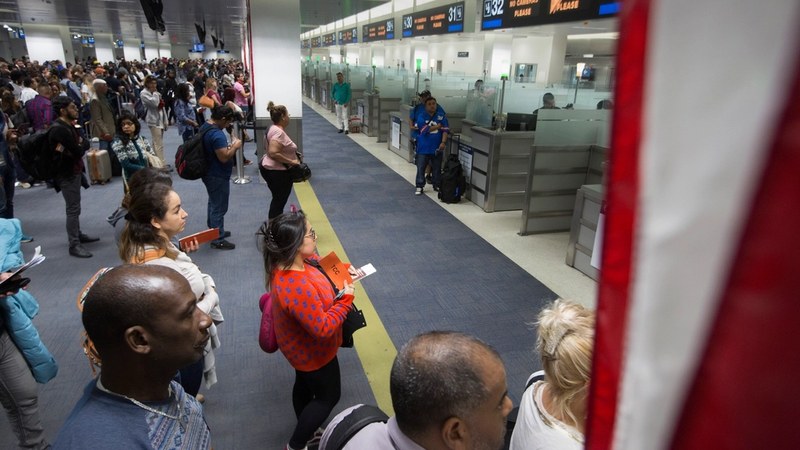
Albania recorded 11.5 million foreign tourist arrivals from January through October 2026, a 3.5% increase over the 11.1 million visitors during the same period in 2025, according to data released by the Statistical Office INSTAT. In October 2026 alone, Albania received 795,503 foreign visitors, which represented a 12.5% decline compared to October 2025 figures.
In 2025, Albania saw a total of 12.47 million foreign tourist arrivals, marking a 6.6% growth from the previous year and setting a new record for the country’s annual tourism numbers.
Seasonal Patterns and October Slowdown
The October decline suggests a seasonal slowdown following a strong summer tourism season concentrated along
Albania’s Adriatic and Ionian coastlines. Although October arrivals dipped, cumulative figures for the first ten months demonstrate ongoing growth in international visitor numbers.
Economic Role of Tourism in Albania
Tourism remains one of Albania’s main economic contributors, supporting sectors such as employment, hospitality, transportation, and restaurants. The increase in visitors also sustains foreign currency inflows and fuels domestic consumption in service industries.
Expanding International Tourism Profile
Albania’s rising tourism profile is attributed to its attractive Adriatic and Ionian coastlines, rich cultural heritage, and relatively competitive pricing compared to other Mediterranean destinations. These factors continue to draw more international visitors each year.
Challenge to Extend Tourism Season
The reduced number of arrivals in October highlights the
ongoing challenge for Albania to broaden its tourism season beyond the summer months. Visitor traffic remains highly concentrated during the warmer months on coastal areas, limiting year-round tourism expansion.