The Canadian government has introduced a specialized land acquisition regime to expedite property procurement for the high-speed rail line planned between Toronto and Quebec City. The new legal framework grants the government enhanced expropriation powers designed to reduce land acquisition times from up to 15 years to a faster process. Under this system, authorities can seize land for transfer to the private consortium contracted to build the rail line, bar work on certain lots, and require road crossing disputes to go through private arbitration.
Project scope and timeline
The high-speed rail network will span approximately 1,000 kilometres and connect seven mandated stops: Toronto, Peterborough,
Ottawa, Laval, Montreal, Trois-Rivières, and Quebec City. Construction of the first phase, covering the Montreal to Ottawa section, is scheduled to begin in 2029 or 2030. Two potential corridors are being considered for Eastern Ontario: a direct routing between Ottawa and Peterborough and a southern arc involving Kingston as a possible stop.
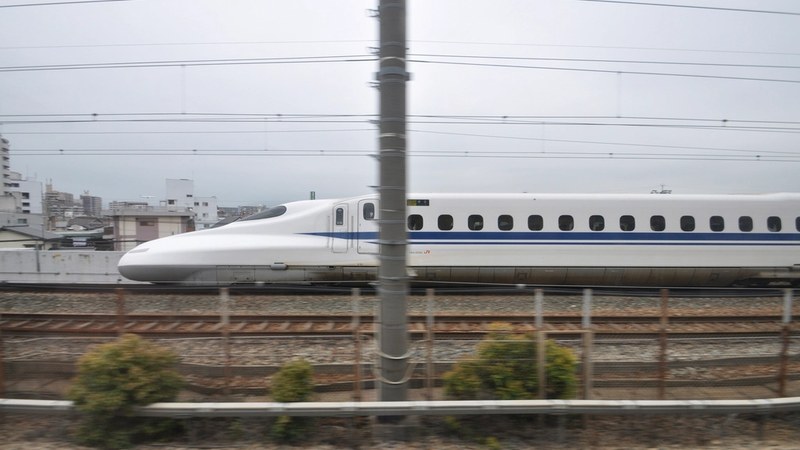
The trains will operate on dedicated electric tracks at speeds reaching up to 300 kilometres per hour, running 72 trains daily. Projected travel times are three hours between Toronto and Montreal and under one hour between Montreal and Ottawa.
Financial estimates and property impacts
The project’s cost is estimated between $60 billion and
$90 billion. The Montreal-Ottawa segment alone is expected to affect about 1,700 properties, including roughly 500 agricultural estates. Private arbitration for land acquisition disputes could impose costs up to $25,000 on affected farmers and municipalities, on top of their legal fees.
Political and community concerns
Ontario Conservative MP Michael Barrett has voiced strong concerns over potential losses of homes and farmland, disruptions to local businesses, and environmental damage. Barrett highlighted the financial burden arbitration costs impose on rural stakeholders. NDP Leader Avi Lewis criticized the public-private ownership model and the limited consultation with smaller communities, stressing the need for social licence and democratic transparency.
Transport Minister Steven MacKinnon defended the land acquisition powers as a bespoke regime already used in Ontario and Quebec for transit projects, highlighting that due process remains intact.
Economic and environmental benefits
Alto, the Crown corporation operating the project, aims to stimulate regional economies by hiring local workers and purchasing materials locally during construction. The organization also projects reductions in emissions and enhancements in travel safety. Alto CEO Martin Imbleau acknowledged that expropriations will be necessary but declined to specify the number involved.