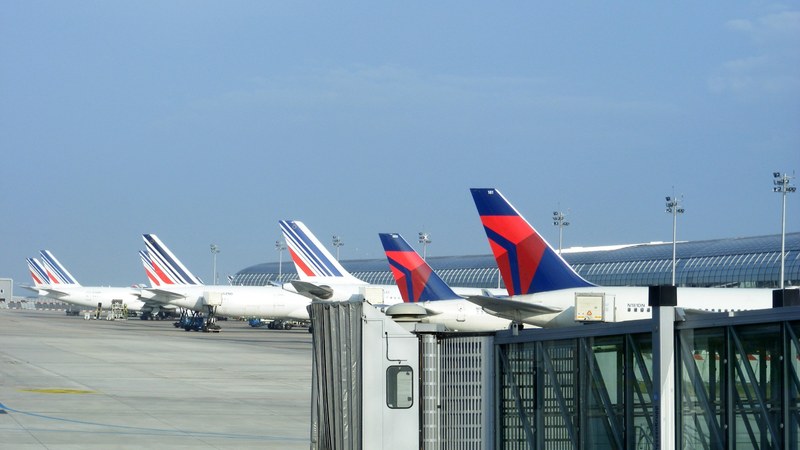
Delta Air Lines experienced a technical failure of its automated aircraft weight and balance system on November 22, 2026, disrupting departures during the peak Thanksgiving travel period. The system, required by U.S. aviation regulations to verify combined weight data for passengers, baggage, cargo and fuel prior to takeoff, was unavailable, forcing the airline to perform manual calculations.
FAA Ground Delay Program Limits Flights Into Atlanta
Following the failure of this critical automated tool, Delta reverted to slower manual weight and balance procedures. The Federal Aviation Administration (FAA) responded by instituting a ground delay program for Delta flights destined for Hartsfield-Jackson Atlanta International Airport to prevent gate and tarmac
overcrowding. The delay program extended average wait times for affected flights by nearly an hour.
Impact on Flights and Passengers Across Delta Network
According to FlightAware data, more than 1,100 delays and several dozen cancellations occurred for flights into and out of Atlanta on November 22, with Delta and its regional Delta Connection carriers comprising the majority. Delta had roughly 5,000 mainline and Delta Connection flights scheduled nationwide that day. Approximately 70% of all recorded Delta delays and cancellations were traced to this system outage.
Passengers faced extended taxiway wait times after landing at Atlanta due to unavailable gates while delayed departures cleared the backlog. This cascade effect
also affected airports across the U.S., including New York LaGuardia, Newark Liberty, Washington Reagan National, Washington Dulles, Boston Logan, Baltimore, Miami, Minneapolis, Nashville, San Antonio, and Birmingham. A limited number of flights were canceled after prolonged ground delays caused crews to reach federal work hour limits.
System Restoration and Continued Disruptions
Delta’s automated weight and balance system was fully restored later on November 22, allowing a gradual return to normal operations from manual workarounds. Despite the restoration, residual delays and operational disruptions extended into the evening of November 22 and continued into November 23 on several routes as the airline repositioned aircraft and crews.
Delta
is rebooking affected customers on the next available flights and providing hotel accommodations and meal vouchers according to its policies. The airline is also offering refunds to passengers who choose not to travel due to cancellations.
Official Statements and Safety Assurance
The FAA characterized the outage as a carrier-specific problem impacting Delta alone and unrelated to federal air traffic control systems. There were no reported safety incidents connected to the failure on November 22. Delta confirmed the use of manual weight and balance checks is an approved safety measure when automation is unavailable, ensuring compliance with regulatory requirements throughout the disruption.
Delta has not released
detailed technical explanations beyond acknowledging the failure in its weight and balance automation system. The FAA has not indicated any enforcement actions related to the event.
Context of Recent Airline Technology Disruptions
This Delta outage followed a nationwide FAA ground stop earlier in November attributed to communications equipment upgrade problems affecting all major U.S. airlines. United Airlines also reported a weight and balance system outage earlier in November, which caused temporary ground delays.
The clustering of these technical failures ahead of the Thanksgiving period has intensified industry discussions on improving digital infrastructure resilience, redundancy in critical flight operation systems, and enhancing communication protocols among airlines, FAA,
and airports.