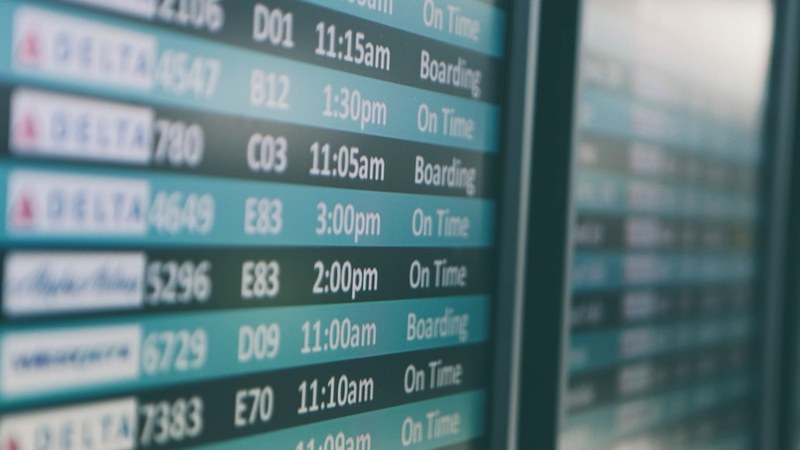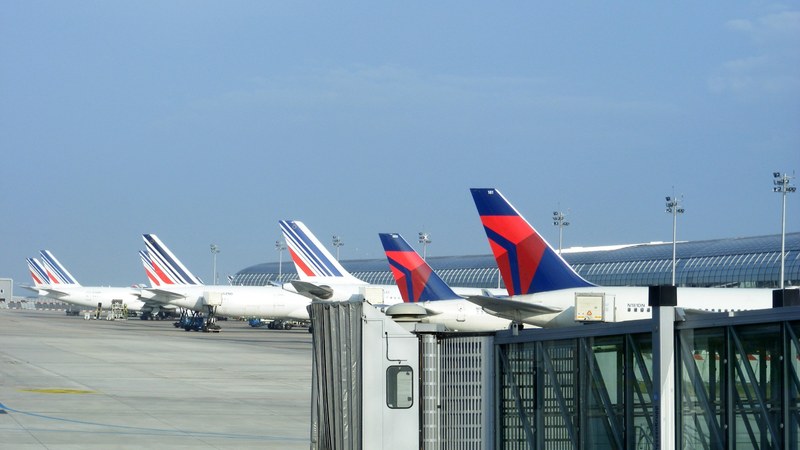
Delta Air Lines experienced a technical failure in its automated aircraft weight and balance system on the morning of November 22, 2026. This outage immediately disrupted operations at Hartsfield-Jackson Atlanta International Airport, Delta’s largest hub and the world’s busiest airport by passenger count, resulting in significant flight delays and cancellations during the busy Thanksgiving travel period.
In response to the system failure, Delta temporarily reverted to manual weight and balance calculation procedures to maintain flight departures. The manual process, slower than automated checks mandated by U.S. aviation regulations, caused prolonged waits for aircraft clearance at gates and taxiways. The Federal
Aviation Administration (FAA) issued a ground delay program that capped inbound flight arrivals to Atlanta from the contiguous United States, limiting arrivals to prevent gate and tarmac congestion. According to FlightAware data, more than 1,100 inbound and outbound flight delays and several dozen cancellations had occurred at Atlanta by late afternoon, with average additional waiting times close to one hour for affected flights.
Network-wide Disruptions Across Major U.S. Airports
The disruption extended beyond Atlanta, affecting Delta’s operations nationally. On November 22, about 5,000 mainline and Delta Connection flights were scheduled across the network. Approximately 70 percent of Delta’s delays and cancellations that day were linked to
the weight and balance system outage. Passengers reported delays at major airports including New York LaGuardia, Newark Liberty International, Washington Reagan National, Washington Dulles, Boston, Baltimore, Miami, Minneapolis, Nashville, San Antonio, and Birmingham. Delays in departures delayed gate availability for arriving flights, causing extended taxi times and further passenger wait times after landing. Some cancellations also occurred due to crew time limits caused by these cascading delays.
Restoration and Passenger Support Measures
The automated weight and balance system was restored later on November 22, allowing Delta to phase out manual procedures and resume regular operations gradually. Despite restoration, schedule disruptions and limited aircraft and crew
availability continued to impact some flights into the evening and following Monday. Delta offered rebooking options on the next available flights, hotel accommodations, meal vouchers, and refunds to passengers affected by cancellations or significant delays. The FAA emphasized that the outage was specific to Delta and not related to federal air traffic control system failures, and no safety incidents were reported during the disruption.
Technology Outages Raise Industry Concerns
This event followed a nationwide FAA ground stop earlier in November triggered by communication system upgrade issues. United Airlines also encountered a similar automated weight and balance system outage earlier the same month. These consecutive incidents
have focused regulatory and industry attention on the resilience and modernization of critical airline and FAA digital infrastructure. Passengers traveling during the Thanksgiving period are expected to face potential residual schedule changes due to the backlog and rebalancing of fleet and crew resources.