Delta Air Lines experienced widespread flight delays and cancellations across the United States on November 22, 2026, Thanksgiving Day, due to a failure in its automated weight and balance system. The glitch disrupted operations for more than half of Delta’s flights nationwide, impacting thousands of travelers during the peak holiday travel period.
System Failure and Operational Impact
The airline’s Automated Load Instruction System (ALIS), which is operated from Delta’s Atlanta Operations and Customer Center, failed on Sunday morning. This system calculates the weight and balance for aircraft before departure to ensure safety in compliance with FAA regulations. Delta ramp workers had to manually count baggage
and compile reports because automated ramp worksheets were unavailable during the outage.
At Hartsfield-Jackson Atlanta International Airport, the world’s busiest airport and Delta’s largest hub, the system failure led to an extended FAA ground delay starting early Sunday. The FAA lifted the ground stop at Atlanta at 11:30 a.m. Eastern Time. Despite this, the resulting backlog caused hours-long ground delays exclusively for Delta flights, with no restrictions applied airport-wide.
Delays and Cancellations Across Delta’s Network
FlightAware tracking data showed that by 5:15 p.m. Eastern Time on November 22, over 50% of Delta flights nationwide were delayed, and approximately 2% were cancelled. Around 70% of these schedule
disruptions were attributed directly to the ALIS outage. More than 60% of departing Delta flights from Atlanta experienced delays Sunday evening, while about half of inbound flights into the hub were delayed.
Delta spokespersons emphasized the airline’s commitment to minimizing cancellations, stating that “Delta teams are focused on completing the remainder of today’s schedule. Cancellations, as always, are a last resort when all other options have been exhausted.” The system issue was resolved late in the day on November 22.
Role and Importance of the Weight and Balance System
The automated weight and balance calculations by ALIS are vital for flight safety, determining how aircraft are loaded and ensuring
compliance with FAA weight limits. According to FAA guidelines cited in the Pilot’s Handbook of Aeronautical Knowledge, “Compliance with the weight and balance limits of any aircraft is critical to flight safety.” Delta’s manual load management measures during the outage ensured that aircraft departures maintained these safety standards despite the loss of automation.
Traveler Impact and Industry Context
The delays affected thousands of passengers during one of the busiest U.S. travel periods, with more than four million travelers expected at Atlanta’s hub between November 19 and December 1, 2026. More than 60% of departing flights from Atlanta were delayed Sunday evening. Some travelers, including residents
like Shane Rocha and family, reported delays but attempted to remain hopeful for limited disruption.
The disruption at Delta occurred separately from weather-related delays affecting New York-area airports such as LaGuardia and Newark Liberty International, as well as volume-related delays at San Francisco and Florida airports. The FAA confirmed that the November 22 delays were not related to FAA air traffic control systems or the earlier nationwide FAA ground stop in early November caused by infrastructure issues.
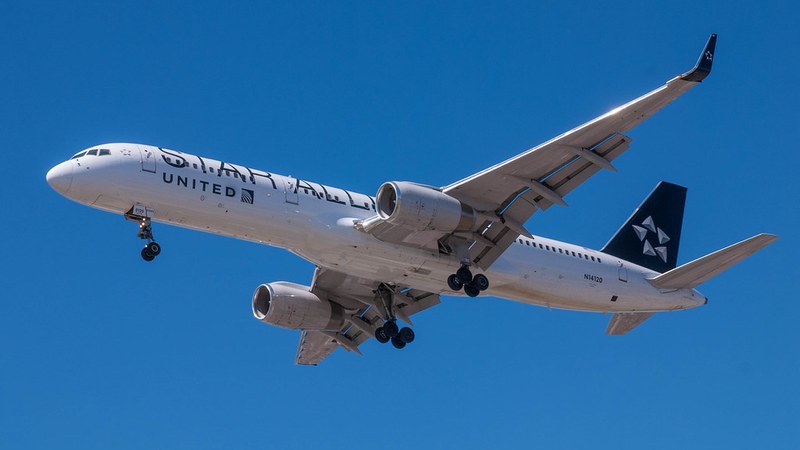
A similar weight and balance system failure had previously affected United Airlines in 2025, resulting in over 1,000 delays and dozens of cancellations,
though that incident was unrelated to the Delta outage.
Delta continues recovery operations following the system failure as it works to complete scheduled flights and limit further cancellations.