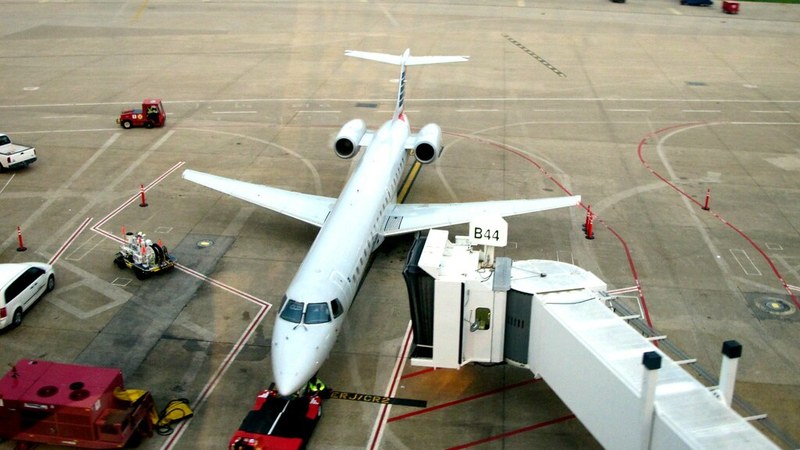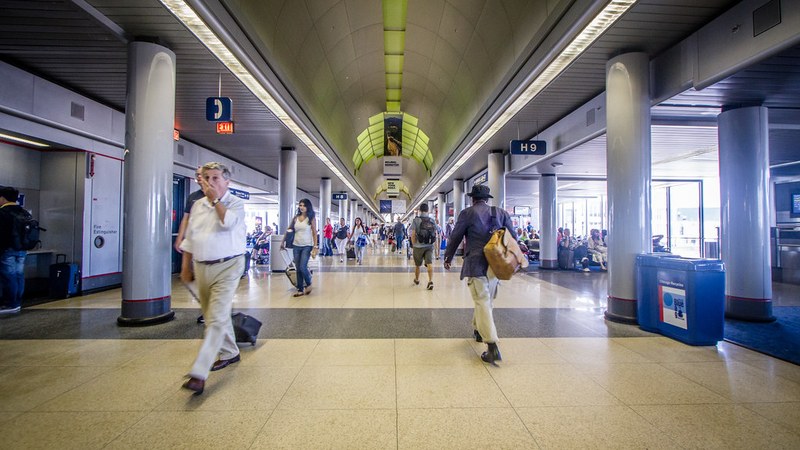
Brussels Airport canceled all departures and arrivals scheduled between 07:00 and 21:00 local time on Monday, November 23, 2026. Brussels South Charleroi Airport also suspended flights during this 14-hour period, resulting in a complete halt of regular commercial flight operations at both airports.
Flight Volume and Passenger Impact at Brussels Airport
A total of 429 flights were scheduled at Brussels Airport between 06:00 and 22:00 on November 23. This included 213 departures with approximately 28,000 passengers and 216 arrivals carrying around 31,500 passengers, totaling roughly 59,500 travelers impacted. The cancellation window covers the majority of these flights, directly affecting the passenger flow through the main Belgian hub.
Cause of Disruption: Nationwide Air Traffic Control Strike
The
cancellations resulted from a nationwide strike by Belgian air traffic controllers organized by major trade unions protesting austerity measures and economic reforms implemented by the government of Prime Minister Bart De Wever. Skeyes, the Belgian air navigation service provider responsible for air traffic control at Brussels, Antwerp, Charleroi, Kortrijk, Liège, and Ostend airports, reported that approximately 60% of controllers would participate.
Skeyes announced it was unable to provide normal air traffic control services between 07:00 and 21:00 on November 23 due to insufficient staffing, allowing only minimum services for emergencies and flights deemed critical for safety.
Operational Impact and Short Notice Challenges
The strike announcement came
less than 36 hours before the disruption, after Brussels Airport and Brussels South Charleroi had initially planned normal operations on that Monday. This short notice complicated planning for airlines and airport operators. The sudden cancellations disrupted connecting flights and impacted travelers and around 3,400 employees at Charleroi Airport.
Passengers scheduled for flights during the strike period were affected by cancellations and advised to consult their airlines. The strike also coincides with a national trade union demonstration expected to disrupt public transport in Brussels, further complicating travel to and from the airports.
Official Responses from Airports and Airlines
Brussels Airport confirmed the cancellation of all flights during
the strike window through a passenger notice. Brussels South Charleroi Airport criticized the participating air traffic controllers for a “completely cavalier attitude” toward airlines, passengers, and airport employees in issuing such short notice.
Brussels Airlines, a Lufthansa Group subsidiary, expressed concern over the late announcement affecting scheduling and passenger arrangements. Lufthansa Group issued a travel notice on November 22 confirming the air traffic control shutdown and flight cancellations at Brussels Airport.
Skeyes stressed its principal responsibility for aviation safety prevented normal operations due to the staffing shortage caused by the strike.
Broader Strike Context Affecting Belgian Transport
This air traffic control strike forms part of at
least the eleventh national industrial action since the De Wever government took office, affecting multiple public sectors. The strike is part of a broader trade union protest against government austerity, involving employees from public transport, education, and civil service sectors.
Other Belgian airports served by Skeyes, including Antwerp, Kortrijk, Liège, and Ostend, are also impacted by the strike. Public transport disruptions are expected in Brussels on November 23, possibly complicating passenger transfers to the airports.