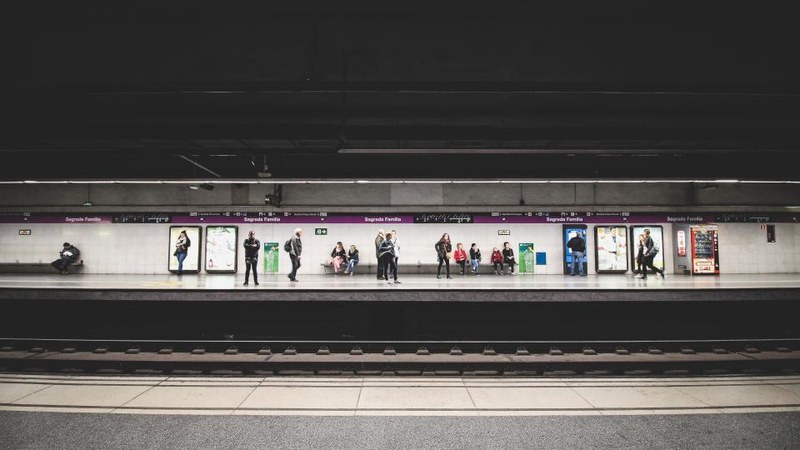
On November 17, 2026, a 24-hour nationwide rail strike in Spain caused severe disruptions to train services across major operators including Renfe, Iryo, and Ouigo. The strike led to extensive cancellations on commuter, high-speed, long-distance, and freight trains, significantly reducing service availability throughout the country.
Train Service Cancellations and Affected Routes
The strike resulted in 97% of mandatory morning rush hour commuter trains in Madrid being cancelled. Catalonia’s Rodalies commuter service saw around 40% of minimum scheduled trains cancelled, reaching up to 56% during peak times. At certain rush hour periods, train service fell to approximately 30% of usual off-peak levels. The R4 Rodalies line was
among the most affected by cancellations.
High-speed operators Iryo and Ouigo cancelled 90 of 312 scheduled departures. Additionally, Renfe cancelled 12% more of its own required high-speed and long-distance services. Operators reported difficulties maintaining the minimum 66% service level mandated for the strike.
Union Demands and Background to the Strike
Railway unions representing employees of Renfe, Adif, private operators, and freight companies organized the strike to demand improved safety guarantees after two recent deadly train crashes. The accidents in Adamuz on January 18 and Urda on October 28 resulted in 46 and 69 fatalities respectively. The strike followed ongoing negotiations with the Spanish government, focusing on personnel
increases, stronger occupational risk prevention, emergency plans, and investigation into safety protocol failures.
Union demands include more staff, enhanced coordination between operators, and a thorough review of safety protocols to prevent further accidents.
Official Reactions and Disciplinary Warnings
Renfe accused train drivers of not complying with minimum service requirements during the strike. Catalan Minister for Territory and spokesperson Sílvia Paneque warned drivers that disciplinary actions would be pursued against those failing to meet obligations. Possible consequences include salary deductions and dismissals. Paneque stated, “Those who break the rules will face the consequences,” adding that a small group of drivers severely impacted mobility and authorities would
use all mechanisms available.
Rodales director Òscar Playà sent a letter reminding train personnel of their duty to guarantee minimum service levels to protect the public’s right to mobility. Despite the warning, adherence to these requirements was reportedly insufficient.
Impact on Travelers and Mobility
The strike caused severe disruptions to mobility for thousands of passengers on November 17, particularly on commuter routes in Madrid and Catalonia. Passengers faced widespread cancellations and reduced service capacity across all affected operators. Travel recommendations included seeking alternative transport methods and planning journeys in advance due to the limited availability of trains.
José Bravo, secretary of the railway sector for
the UGT union in Catalonia, criticized the strike’s conditions by stating, “Much more investment is needed, both in infrastructure and in the trains themselves, to provide the public with a safe, high-quality service.” He also emphasized that poor service quality and lack of safety guarantees motivated the strike.