The Federal Government of Nigeria has mandated the integration of a biometric passenger verification system named vPASS into the domestic aviation sector by January 1, 2027. Initially, the system will be deployed at the Murtala Muhammed Airport Domestic Terminal in Lagos and at Abuja, with plans for nationwide expansion.
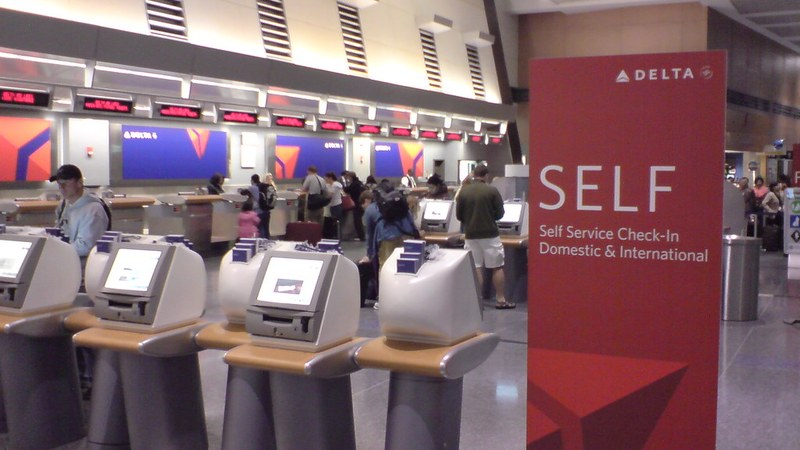
The vPASS platform employs facial recognition technology linked to the National Identification Number (NIN) database to replace manual identity checks at airline check-in counters and boarding gates. Nigerian passengers are required to register via a mobile application or airport self-service kiosks using their NIN and date of birth. Foreign travellers flying
domestic routes in Nigeria can enrol using their international passports. Festus Keyamo, Nigerian Minister of Aviation and Aerospace Development, has instructed that all scheduled domestic airlines must comply by the 2027 deadline or face possible prohibition from boarding passengers.
Experts express concern over rollout timeline and sequencing
Gbenga Onitilo, principal managing partner at Aeronexus Partners, praised the urgency of closing security loopholes in domestic terminals through biometric verification but cautioned against the compressed timetable. He referenced international examples such as India’s DigiYatra programme, which began trials in Bengaluru in 2017 and was launched at three airports in 2022 on a voluntary basis, and the European Union’s Entry/Exit System,
introduced over a phased period exceeding 180 days while maintaining traditional passport stamping as a fallback. Onitilo noted that Kenya’s Huduma Namba identity programme encountered legal setbacks due to inadequate data protection assessments.
Onitilo stated, “My concern is not the technology. It is the sequencing. The lesson is simple. Countries that succeeded let readiness set the deadline. The ones that struggled let the deadline drive readiness.” He recommended a voluntary 90-day pilot phased in during December 2026 at Lagos and Abuja terminals, operating vPASS alongside conventional identity checks to allow for adjustments and public confidence building.
Security risks and recommendations for safeguards
Alex Nwuba, president of
the Aircraft Owners and Pilots Association of Nigeria (AOPAN), warned that integrating biometrics with the NIN database does not guarantee a secure identity verification system. He identified potential vulnerabilities including facial recognition spoofing techniques such as deepfakes, video replays, and three-dimensional masks.
Nwuba also highlighted risks of inaccurate or compromised NIN records that could permit fraudulent identities, as well as threats to communication channels and central biometric databases from cyberattacks or insider manipulation. He urged the adoption of multiple independent verification layers, secure communication, continuous system monitoring, and retention of manual identity checks to mitigate these risks. He stated, “We
must not confuse the ability to recognise a face with the ability to guarantee an identity. That is where the real security challenge lies.”
Calls for pilot program, transparency, and training
Experts have urged the Nigerian Ministry of Aviation and the Federal Airports Authority of Nigeria (FAAN) to implement a 90-day voluntary pilot starting December 2026 to gain public trust and fine-tune the vPASS system. They also recommend publishing key performance indicators such as enrolment numbers, facial recognition failure rates, and passenger processing durations.
Training for aviation security officers, airline counter staff, ground handlers, and travel agents has been advocated to assist passengers in completing registration before
arriving at terminals. The retention of manual verification options is recommended for children, elderly passengers, failed biometric matches, and those with damaged NIN records.
Expected passenger impact and industry responses
Seyi Adewale, CEO of Mainstream Cargo Limited, predicted initial resistance from airlines and passengers as the system becomes mandatory during the busy festive season. He noted this could slow passenger processing and generate complaints but anticipates that wider adoption will ultimately improve onboarding and security.
Adewale said, “Like any new initiative, especially by the government, I expect tacit resistance both from the passengers and the airlines to test the government’s resolve or determination to drive this
process to full compliance and not selective compliance.” He added that once the majority comply, vPASS will facilitate a faster and smoother travel experience.