The Federal Aviation Administration (FAA) lifted a ground stop at San Francisco International Airport that had halted departing flights for over four hours on November 19, 2026. The pause was implemented amid severe wind and storm conditions battering the Bay Area, forcing the FAA to temporarily suspend departures to maintain safety during unstable weather.
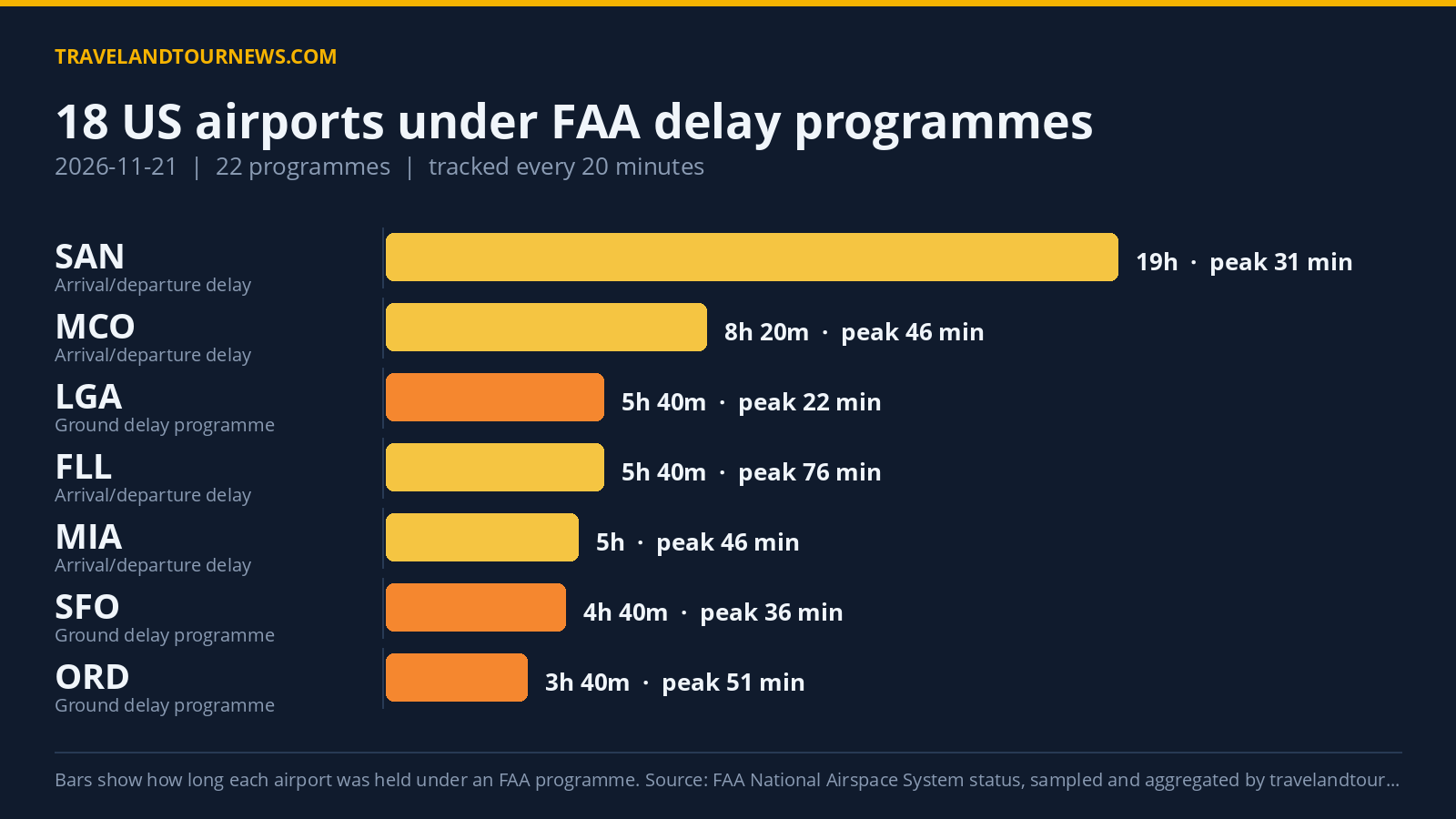
During the ground stop, departing flights encountered average delays of three hours and six minutes, according to FAA data. Although the ground stop was lifted late Wednesday, continued flight cancellations and delays persisted into the following day as the airport managed a backlog of queued departures
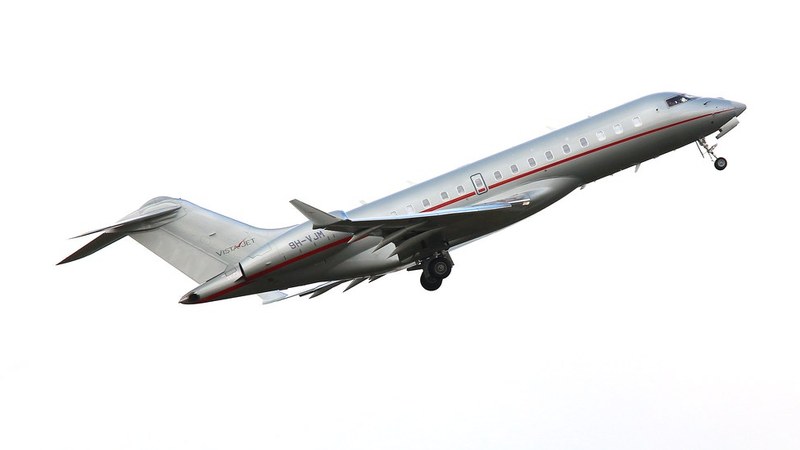
amid aircraft and crew scheduling constraints. Business aviation operators, such as Vista America working for VistaJet and XO clients, faced added challenges because their flights lack hub networks that facilitate rebooking, increasing the likelihood of late departures or diversions to other Bay Area airports.
Bay Area Weather and Flooding
San Francisco experienced intense rainfall on Wednesday, recording 1.85 inches in downtown, coming close to the daily rainfall record of 2.24 inches set in 1918. The storm produced significant flooding in several areas, including the major transportation corridor on southbound Interstate 280 near Geneva Avenue. These weather conditions contributed directly to the FAA’s decision to enforce
the ground stop at the congested single-runway constrained airport.
Storm-induced disruptions at San Francisco International added stress to airport operations already constrained by infrastructure and weather. Ground stops delay departures to prevent unsafe sequencing in air traffic and prevent further congestion in already busy airspace, especially under storm and wind impacts that reduce airport capacity.
Additional Regional Operational Disruptions
On November 18, the control tower at Hollywood Burbank Airport declared ‘ATC Zero’ status twice during the evening, which temporarily halted air traffic control services. Pilots from Southwest Airlines and Alaska Airlines resorted to self-coordination on the Common Traffic Advisory Frequency (CTAF) during these outages,
lasting approximately 30 minutes each, as the FAA withheld the cause of the controller outages.
Separately, Vista America confirmed it sustained its top safety audit ratings on November 19, securing designations from IS-BAO Stage 3, Wyvern Wingman PRO, and ARGUS Platinum Elite. These recognitions demonstrate adherence to rigorous global safety standards amid operational challenges.
FAA Ground Stop Procedures and Ongoing Impacts
The FAA utilizes ground stops as a safety measure to hold departures at airports when weather or other factors make normal sequencing unsafe. The San Francisco ground stop decision included an FAA risk assessment rating the chance of an extension as ‘medium’ amid the storm. Extensions
prolong aircraft queues and exacerbate delays, including crew duty time constraints that can lead to further cancellation or rescheduling challenges.
Unlike airlines, business aviation flights, including charter and fractional services, do not have access to hub rebooking capabilities. As a result, these operators often face late departures or the necessity to divert flights to other Bay Area airports, shifting costs and disruptions onto operators and passengers directly. Flight recovery at San Francisco International remains complex due to displaced aircraft and crew availability even after weather conditions stabilize.