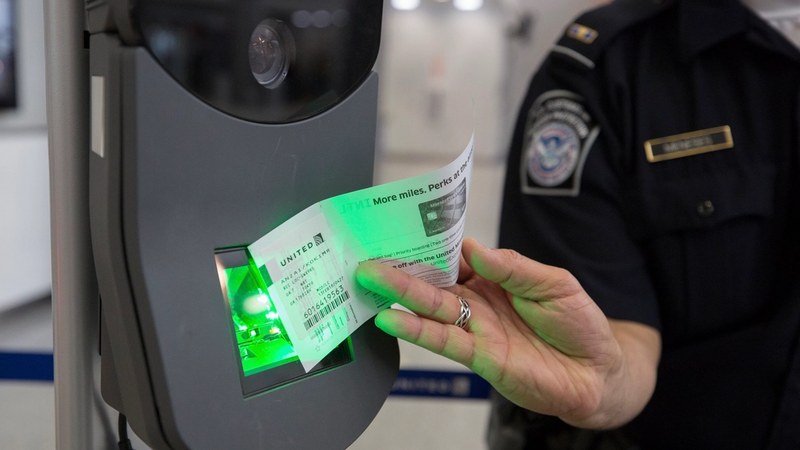
Nigeria is introducing a biometric passenger verification system, vPASS, at Lagos and Abuja domestic airport terminals to link facial recognition with the National Identification Number (NIN) database.
Festus Keyamo, Minister of Aviation and Aerospace Development, has directed all scheduled domestic airlines to integrate the vPASS system before January 1, 2027, warning that carriers failing to comply may be prevented from boarding passengers.
Passengers will register for vPASS via a mobile app or airport kiosks using their NIN and date of birth, with foreign domestic travellers able to enrol using international passports. The system will replace manual identity checks at check-in
and boarding gates as part of a nationwide rollout following the initial deployment.
Expert Concerns Over Rapid Rollout
Gbenga Onitilo, principal managing partner at Aeroneux Partners, praised the security intent but criticized the compressed timeline, emphasizing that sequencing and readiness must lead implementation. He highlighted international biometric rollouts like India’s DigiYatra, which began trials in 2017 with voluntary adoption and phased expansion, and the European Union’s Entry/Exit System, introduced over 180 days with fallback passport stamping.
Onitilo recommended a voluntary 90-day pilot test phase starting December 2026 at Lagos and Abuja terminals, running the biometric system alongside manual checks. He also called for transparency through
published performance indicators on enrolment, recognition failures, and passenger processing times.
Security Vulnerabilities Identified
Alex Nwuba, president of the Aircraft Owners and Pilots Association of Nigeria (AOPAN), warned that linking facial recognition with NIN does not guarantee secure identity verification. He cited risks from deepfakes, video replays, 3D masks, compromised NIN data, attacks on network communications, unauthorized access, and insider threats as documented by ENISA and the US NIST.
Nwuba advocated for multiple independent verification layers, secure communication channels, continuous monitoring, and alternative manual identity checks to address these vulnerabilities.
Passenger and Airline Impact
Seyi Adewale, CEO of Mainstream Cargo Limited, anticipated initial resistance during the festive
travel period as passengers and airlines acclimate to the new system. He foresaw possible operational setbacks that might necessitate platform adjustments but expects long-term improvements in passenger onboarding and airport processing once compliance is widespread.
Manual identity verification will still be available for children, elderly passengers, failed biometric matches, and individuals with damaged NIN records.
International Context and Implementation Best Practices
Nigeria’s vPASS rollout contrasts with established international biometric programs like India’s DigiYatra and the European Union’s Entry/Exit System, which emphasize phased, voluntary implementation supported by fallback manual processes and data protection measures.
Experts stress that deadlines for biometric system adoption should correspond to operational readiness
rather than create pressure that risks airport delays, especially during peak seasons such as the Yuletide period.