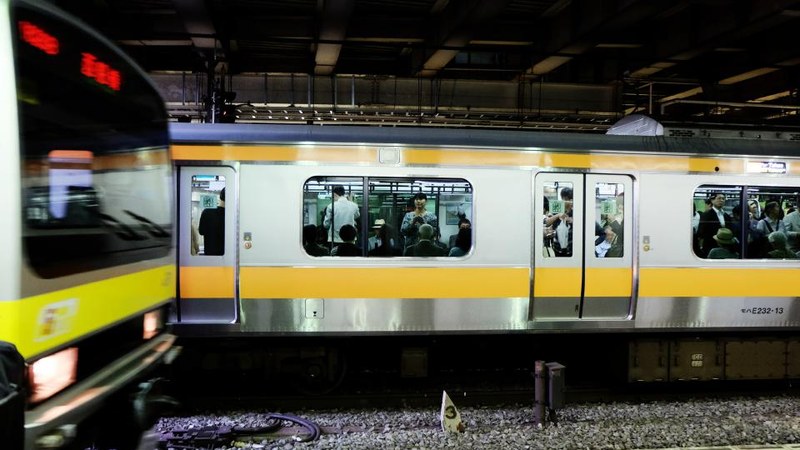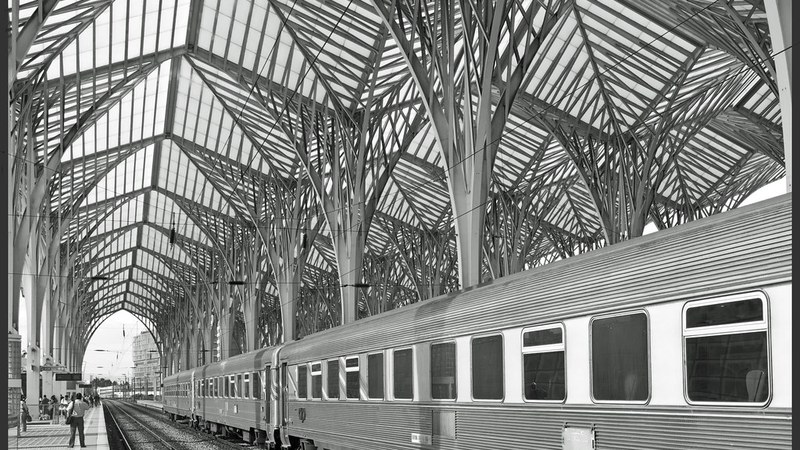
A nationwide rail strike in Spain took place on Tuesday, November 17, 2026, affecting major train operators including Renfe, Iryo, Ouigo, and railway infrastructure workers. The 24-hour strike began at midnight and lasted until 11:59 p.m., resulting in significant train cancellations and schedule reductions across the country.
Renfe Minimum Service Levels and Regional Variations
Renfe operated 72% of its usual high-speed and long-distance trains during the strike, maintaining 177 of 246 scheduled high-speed and long-distance services. Among its 682 regional Media Distancia trains, 444 ran as scheduled. Renfe Cercanías commuter services followed national rules, operating at 75% capacity during three peak periods: 6-9 a.m., 1:30-3:30 p.m., and
6:30-8:30 p.m. Outside those intervals, 50% of commuter trains operated.
In Catalonia, Rodalies de Catalunya commuter trains ran at 66% during peak hours (6:00-9:30 a.m. and 5:00-8:30 p.m.) and 33% outside them. Basque Country commuter lines, covering Bilbao’s C1-C5 and San Sebastián’s C1 routes, ran at 50% during peak times and 25% outside peak hours, representing lower minimum service levels than the national standard.
Iryo and Ouigo Service Reductions and Passenger Options
The private high-speed operator Iryo operated 28 of its 40 scheduled trains (70%) during the strike, canceling 12 services. Passengers on canceled trains were offered refunds or alternative travel arrangements via a dedicated contact number (+34
910 150 000).
Ouigo ran 17 out of 27 trains (approximately 63%) on November 17, canceling 10 trains. Affected passengers received notifications by email and were allowed to change tickets without fees, obtain full refunds, and receive a compensation credit equaling 50% of the ticket price.
Strike Causes and Union Demands After Fatal Rail Accidents
The strike responded to safety and staffing concerns following two deadly rail accidents: one at Adamuz in Córdoba province and another at Urda in Toledo province, which together caused 115 fatalities. Unions representing Renfe and infrastructure manager Adif employees, along with the SEMAF train drivers’ union, initiated the strike seeking improved rail safety, infrastructure
maintenance investments, and increased personnel.
Union leaders reported some progress in negotiations with Spain’s Ministry of Transport and Sustainable Mobility but indicated that critical safety and staffing measures remained unapproved. Pepa Páez, CCOO’s general secretary for the railway sector, called for urgent government action on safety, infrastructure maintenance, and staffing following demonstrations at Atocha station in Madrid. SEMAF acknowledged technical advances in talks while confirming that essential measures are outstanding and announced additional strike action planned for November 23.
Travel Advice and Ongoing Disruptions
Passengers faced cancellations and altered schedules on November 17. Travelers were advised to verify the status of specific trains with their
operator before traveling due to varying service levels between Renfe, Iryo, and Ouigo. Renfe made published minimum-service train lists available, while Rodalies de Catalunya provided commuter line schedules. Both Iryo and Ouigo disseminated information on guaranteed services and passenger options.
Commuter rail passengers were encouraged to travel during peak service bands to access higher train frequencies. Potential delays or disruptions were also anticipated on November 16 and early November 18 due to repositioning of crews and rolling stock related to the strike.