Bahrain’s Tourism Minister Fatima Al Sairafi anticipates a rebound in Gulf tourism in 2027 following disruptions across the region in 2026. The Gulf Cooperation Council (GCC) countries are working on a joint strategy to restore visitor numbers and tourism revenues.
During a GCC tourism ministers meeting held in Bahrain in September 2026, officials agreed to enhance coordination and align marketing efforts to revive the Gulf’s tourism sector. The pact focuses on promoting the region as an integrated destination to international travelers.
The agreed recovery plan aims to increase the influx of international visitors, encourage longer stays, and boost visitor spending.
Enhanced air connectivity with markets in China, India, and Europe forms a key pillar of this approach to support growth.
Gulf’s Competitive Tourism Advantages
Security and stability in Gulf countries are considered important competitive factors for attracting international tourists. Improved links between GCC states and other global markets underpin the strategy’s potential.
Intra-Gulf travel receives special emphasis due to the high purchasing power and expenditure levels of Gulf tourists. GCC members are launching initiatives that build on geographic proximity, shared cultural heritage, and growing transport and aviation networks to stimulate regional tourism.
Strengthening both global inbound tourism and regional travel within the Gulf is
designed to diversify visitor profiles and enhance the sector’s resilience against external shocks.
Bahrain’s Tourism Development and Investment
Since implementing its tourism strategy in 2022, Bahrain has opened around 22 new hotels and resorts. Foreign investment and new project developments in the Kingdom persist despite challenges faced in 2026.
Upcoming announcements are expected on further investments, supported by Bahrain’s supportive infrastructure and business-friendly regulations. Coordination across economic and service sectors aims to sustain long-term tourism growth.
Focus on Marine and MICE Tourism
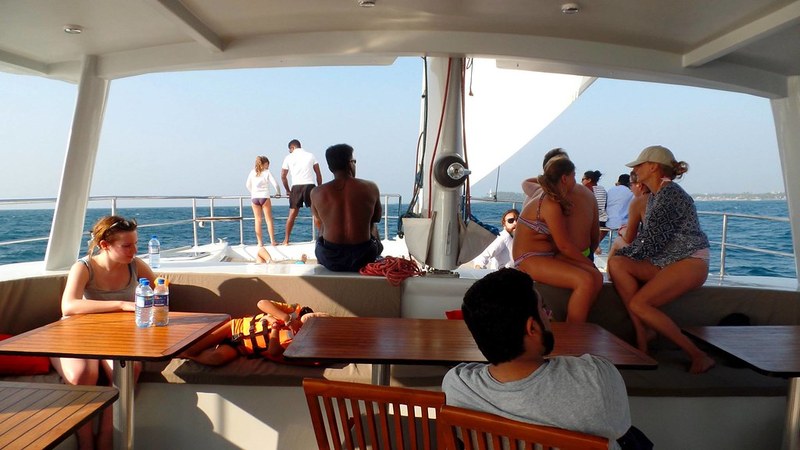
Bahrain leverages its island geography through a diversification strategy emphasizing marine tourism, including resorts, coastal developments, and sea-based activities. The Kingdom has secured significant investment in this area and
plans additional projects with private-sector collaboration to expand visitor options and promote longer stays.
The meetings, incentives, conferences, and exhibitions (MICE) segment is another priority. Despite regional difficulties, Bahrain continues to host major international forums such as the Manama Dialogue and Gateway Gulf Forum. Plans are underway to attract more conferences, exhibitions, sporting events, and entertainment activities, including the fifth edition of Bahrain Celebrations scheduled for late 2026.
Economic Influences and Regional Coordination
Global inflation and rising costs for travel and accommodation influence tourists’ destination choices. The Bahrain Tourism Ministry and Bahrain Tourism and Exhibitions Authority maintain ongoing consultations with hotels, travel agents, and event
organizers to offer competitive pricing and tailored packages without compromising service quality.
Bahrain has observed a noticeable rise in tourist arrivals over the three months preceding November 2026, supported by competitive offers and various cultural and entertainment events.
Bahrain’s minister projects that continued investment, improved infrastructure, and stronger GCC coordination in joint marketing, tourism development, and destination connectivity will be crucial to accelerating recovery. This regional approach is expected to help Gulf countries attract increased visitor numbers and enhance tourism revenues in 2027.