Severe weather conditions on November 16, 2026, forced the cancellation of 104 flights at Sydney Airport, primarily affecting domestic routes. The disruptions unfolded mostly on Monday night, leading to widespread delays and passenger inconvenience.
Weather and Ground Delay Program Impact Operations
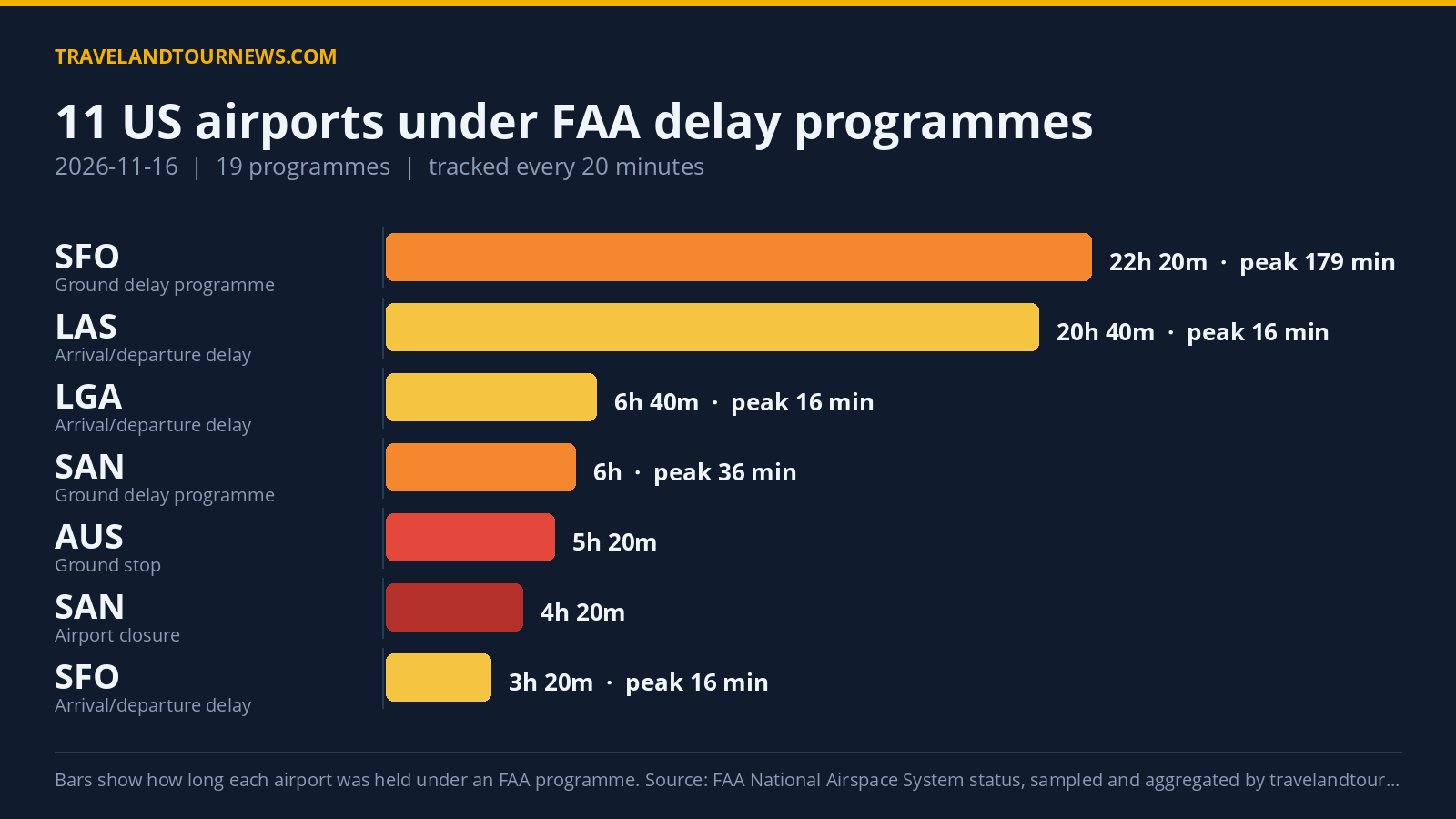
Strong wind and cloud activity were cited by Airservices Australia as the key factors impairing air traffic operations at Sydney Airport. The aviation services agency implemented a ground delay program to manage the volume of air traffic safely throughout the day, affecting flights from all carriers operating at the airport.
Airlines’ Operational Responses to Disruptions
Virgin Australia faced ground crew industrial action on November 16 related to pay and working conditions
but maintained contingencies to limit operational disruption. Qantas reported network-wide cancellations and delays triggered by the weather and the ground delay program, including some cancellations overnight in preparation for air traffic restrictions. Qantas also increased aircraft capacity on selected routes to recover cancelled flights.
Passenger Delays and Re-accommodations
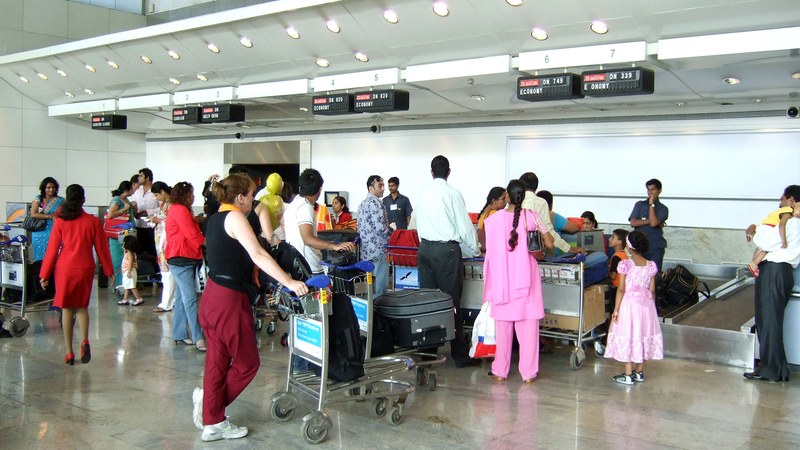
Many passengers endured extended waits and cancellations. Toula Vorinos, whose Virgin Australia flight to Melbourne was cancelled after a 10am scheduled departure, waited at Sydney Airport from 7:20am and later secured a seat on a 9:15pm Jetstar flight. Brownwyn Jackson from the Sunshine Coast struggled to find accommodation after a connecting flight to Hobart was cancelled,
facing financial losses due to unused bookings.
Barbara Evans, notified of her Launceston flight cancellation after arriving three hours early, encountered difficulty obtaining alternatives home, with viable routes forcing detours via the Gold Coast and Adelaide. Another passenger, Aidan Osmani, had a cancelled Brisbane-bound flight and was rebooked on a flight to the Gold Coast, describing the delays as frustrating but unavoidable.
Official Statements on Disruption Management
An Airservices Australia spokesperson confirmed, “Aircraft delays are being experienced in Sydney today with factors including cloud and wind affecting air traffic operations.” They added that the agency was “working with industry to safely manage air traffic demand
throughout the day.”
A Qantas representative stated, “[The ground delay program] has caused disruptions and cancellations across our network. A small number of services were cancelled overnight in preparation for the ground delay program. Customers were contacted directly and re-accommodated on alternate flights within 24 hours of their original booking.”
Virgin Australia acknowledged the industrial action but emphasized that contingencies limited operational impacts on passenger travel.
Coordination Amid Weather and Industrial Action
Airservices Australia coordinated with airlines including Virgin Australia, Qantas, and Jetstar to manage the constrained air traffic environment caused by adverse weather and coinciding ground crew industrial action. The ground delay program is a
standard aviation procedure aimed at maintaining safety during severe weather events, distributing flight departures and arrivals to reduce congestion and risk.
Airlines actively sought to minimise disruptions by rebooking affected passengers within 24 hours and adjusting capacity where feasible. Despite these efforts, some travelers faced lengthy waits, difficulties securing last-minute accommodation, and complex alternative routing challenges.